
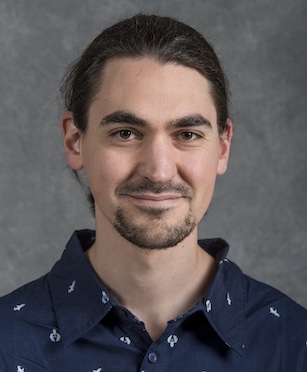
Simon Roux
Biologist Staff Scientist
Divisions
Secondary Affiliation:
Environmental Genomics and Systems Biology
- Molecular EcoSystems Biology
Biography
At the DOE Joint Genome Institute, I lead the Viral Genomics group where we explore viruses of microbes and their impacts on ecosystems using multi ‘omics. Our current projects include the study of viral diversity and virus:host interactions in soil and freshwater environments, along with the development of new bioinformatics tools and experimental protocols to characterize uncultivated viruses. We also assist users of the JGI Metagenome Program with their analysis including identification of viral sequences, functional annotation, taxonomic classification, etc.
The long-term goal of my research is to understand the ecological and evolutionary drivers of virus:host dynamics in natural microbial communities. This research involves a mix of experimental and computational approaches spanning from the molecular to the ecosystem scale, trying to address fundamental questions like “how do viruses spread and adapt across environments ?”, “how do viruses take over and reprogram microbial cells ?”, and “how do viral infections alter ecosystem processes ?”.
Research Interests
Viruses of microbes
Virus discovery
Virus-host interactions
Comparative Metagenomics
Programs & Initiatives
Recent Publications
Related News
EcoFABs Could Help Fuel AI in Agriculture
A first-of-its-kind global study showed that EcoFABs can deliver consistent results across labs on three continents, supported by open protocols, tools, and datasets. The reliable, large-scale data EcoFABs generate are ideal for training AI, which could help accelerate discoveries in crop development, soil health, and agriculture.
Biosciences FY26 LDRD Projects
The Laboratory Directed Research and Development program at Berkeley Lab produces cutting-edge research for the DOE and the nation. Read about the Biosciences Area–led projects and multi-Area collaborations with Biosciences co-investigators receiving funding this cycle.
Simon Roux Named 2025 ASM Microbiome Data Prize Awardee
JGI staff scientist Roux will be recognized at the 2025 ASM Microbe Meeting in Los Angeles, California.
Research Interests
My research focuses on large-scale computational modeling of metabolism and engineering polyketide synthases in silico for the production of useful small molecules.
Programs & Initiatives
Recent Publications
Related News
Biosciences FY25 LDRD Projects
The projects of 23 Biosciences Area scientists and engineers received funding through the FY25 Laboratory Directed Research and Development (LDRD) program.
Second Annual Software Developer Wet Lab Boot Camp Takes Place at JBEI
The training was targeted at Biosciences Area’s Software Developers
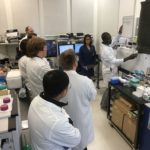 JBEI hosted for a second year a wet lab boot camp targeted at software developers. Following last year’s success, the boot camp returned this time to include 10 software developers from across the Biosciences Area. It included participants from JBEI (Biological Systems & Engineering Division), Agile BioFoundry, DOE Joint Genome Institute (JGI) and Berkeley Lab and Sandia National Lab departments.

Biography
Thomas Eng recieved his SB from MIT in Biology, conducted his undergraduate training with Hidde Ploegh, and was a technician with Terry Orr-Weaver. He received his PhD in molecular and cell biology from UC Berkeley and completed his postdoctoral training at Berkeley Lab; his current appointment is biologist research scientist/engineer. Eng also holds an affiliate faculty appointment at the University of Hawai’i, Hilo in the College of Agriculture, Forestry, and Natural Resource Management.
Research Interests
Our team at Berkeley Lab brings expertise with the microbial host to collaborate with experts in biomass development, analytical chemistry, and fermentation scaleup, addressing challenges in renewable bio-energy. My group is located at the Joint Bioenergy Institute (JBEI) and is part of the Biofuels and Bioproducts Division (BBD), which is under the leadership of JBEI BBD Vice President Aindrila Mukhopadhyay.
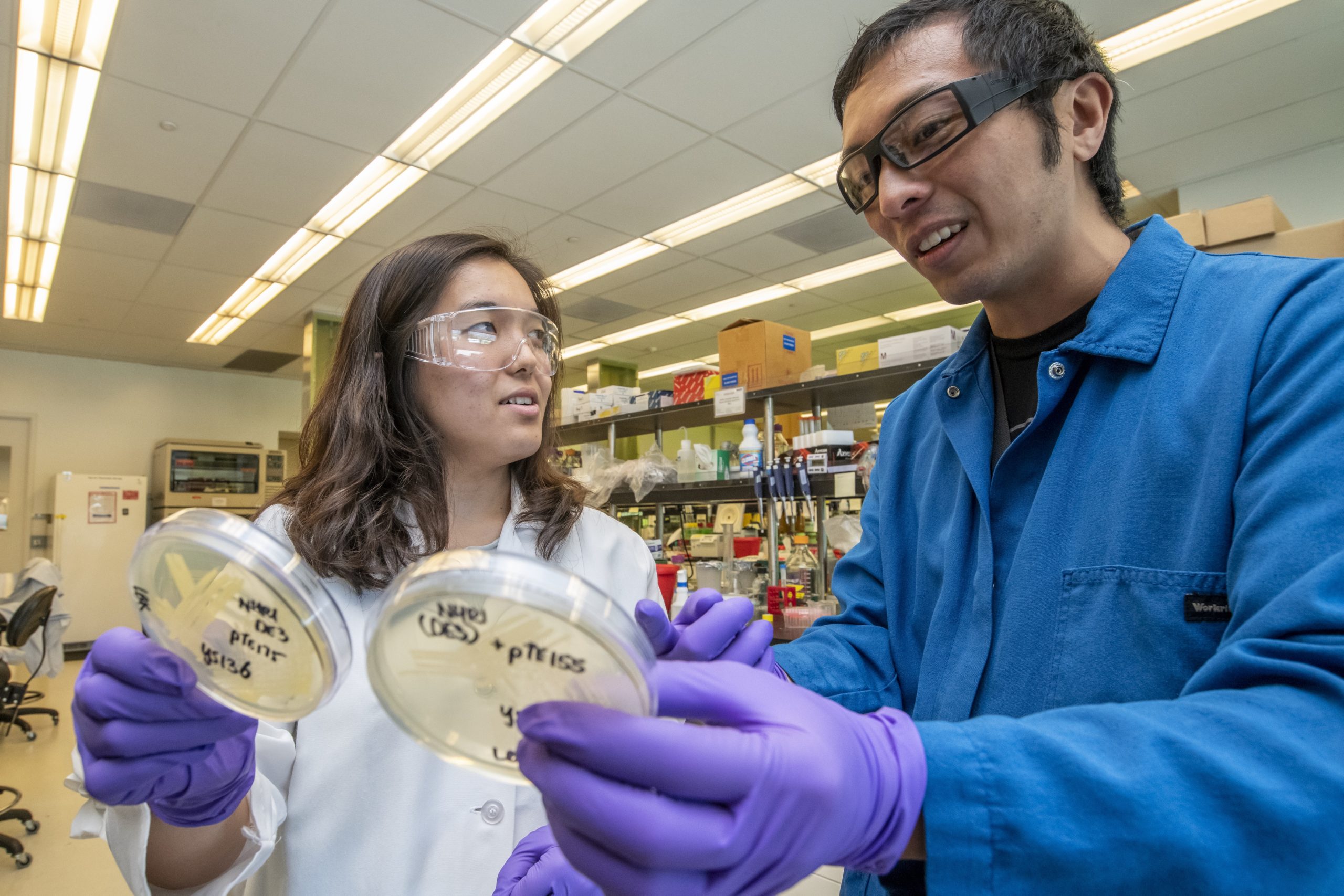
Hands-on at the bench. Eng (right) makes time to train students at the bench. Brenda Wang (left), UCB Class of 2019, is now a NSF Graduate Research Fellow at Northwestern University. Workforce Development & Education Intern and Mentor Summer 2018. This work was part of the Berkeley Lab Undergraduate Research (BLUR) program, and was supported in part by the U.S. Department of Energy, Office of Science, Office of Workforce Development for Teachers and Scientists (WDTS).
Research Areas: Microbial systems biology, physiology, genomics, genetics, CRISPR engineering, genome scale metabolic modeling, network node analysis, renewable energy, biofuels and bioproducts, sustainability, copy number variation.
Plasmid and strain requests: Please include as much information as possible; a JBEI accession number is required. Berkeley Lab will require an MTA agreement with your institution. Sorry, we cannot distribute strains that were not generated at Berkeley Lab.
Undergraduate students: UC Berkeley interested in exploring the use of multiplex CRISPR editing (such as with Cas12a/Cpf1) for rapid engineering in non-model microbes are invited to apply to work with me; please send me an email. For summer internship requests, please apply through the DOE-SULI Program (please note: application deadlines for summer sessions are generally in the previous fall semester).
Candidates for postdoctoral research: Positions are contingent upon funding. Please send me an email to inquire and describe your research interests.
Programs & Initiatives
Recent Publications
Related News
Foundational AI Models to Accelerate Biological Discovery
Berkeley Lab is helping build AI models for autonomous research that will enable prediction and precise design of biological systems.
AI, Automation, and Biosensors Speed the Path to Synthetic Jet Fuel
Two breakthrough strategies are rewriting the playbook for designing microbes that make synthetic aviation fuels.
Biosciences Area FY24 LDRD Projects
The projects of 21 Biosciences Area scientists and engineers received funding through the FY24 Laboratory Directed Research and Development (LDRD) program.
Recent Pubilcations
Related News
Promiscuous Proteins Lead Scientists to a Faster Design Method
Studying the multiple interactions of proteins helped researchers design a novel approach that may yield new solutions more simply and efficiently.
Fraser Honored by The Protein Society
James Fraser, a faculty scientist in MBIB, was presented with the Carl Brändén Award during The Protein Society’s recent 39th Annual Symposium, held in San Francisco. The Brändén Award honors an outstanding protein scientist who has also made exceptional contributions in the areas of education and/or service to the field.
AI Technology Designs Novel Functional Enzyme
Researchers used an artificial intelligence (AI) algorithm, similar to those used in natural-language “chatbot” models, to design a functional protein that was then structurally validated at the Advanced Light Source.

Building: LeConte Hall, Room 301C
Phone: (510) 664-4298
hmueller@lbnl.gov
http://matterwave.physics.berkeley.edu/
Links
Research Interests
Phase-contrast electron microscopy
Recent Publications
Related News
New Electron Microscopy Tech Breaks into the Realm of Small Molecules
Berkeley Lab and UC Berkeley physicists and machinists have built a technology that boosts the performance of electron microscopes, allowing detailed images of the small molecules and cell structures that are crucial to understanding biology and disease.
Biosciences FY25 LDRD Projects
The projects of 23 Biosciences Area scientists and engineers received funding through the FY25 Laboratory Directed Research and Development (LDRD) program.
Biosciences Area FY24 LDRD Projects
The projects of 21 Biosciences Area scientists and engineers received funding through the FY24 Laboratory Directed Research and Development (LDRD) program.

Biography
Na Ji received her B.S. in Chemical Physics from the University of Science & Technology of China in 2000. She received her Ph.D. in Chemistry from the University of California Berkeley in 2005, working in the lab of Yuen-Ron Shen at UC Berkeley Physics Department. She worked as a postdoctoral fellow at the Materials Sciences Division of LBNL for 10 months, before moving to the Janelia Research Campus, Howard Hughes Medical Institute to continue her postdoctoral training in 2006. She became a Group Leader at Janelia Research Campus in 2011. Missing the diverse research and culture at Berkeley, She returned to join the Physics and Molecular & Cell Biology Departments in 2016, where she is currently the Luis Alvarez Memorial Chair in Experimental Physics and an associate professor of neurobiology.
Research Interests
We develop and apply novel imaging methods to understand the brain. Besides inventing methods that make an immediate impact on neuroscience, we also aim to extend the applications of our technologies to other living (and nonliving) systems by collaborating with researchers at LBNL.
Recent Publications
Related News
Biosciences Area FY19 LDRD Projects
The projects of 13 Biosciences Area scientists and engineers received funding through the FY19 Laboratory Directed Research and Development (LDRD) program. The funded projects span a diverse array of topics and approaches including the harnessing of microbiome data to uncover patterns of mutualism, evaluating radiobiological effects of laser-accelerated ion beams, improving bioenergy yield under drought stress, and the application of machine learning in tomogram segmentation. Lab-wide, 89 projects were selected from a field of 158 proposals. Biosciences Area efforts account for 15.07 percent of the $22.2 million allocated.
Biosciences Area FY18 LDRD Projects
The projects of 13 Biosciences Area scientists and engineers received funding through the FY18 Laboratory Directed Research and Development (LDRD) program. These projects span a diverse array of topics and approaches including the study of microbiomes in relation to patterns of mutualism, crop productivity, and gut health; synthetic biology for engineering biosurfactant production and energy conversion pathways; and the application of technologies such as machine learning, high-resolution optical microscopy, and single-cell transcriptomics. Together, these efforts account for 18.75 percent of the $20 million allocated. Lab-wide, 74 projects were selected from a field of 215.
Nobel Prize Winner, World-Class Biophysicist to Join Biosciences
Chemistry Nobelist Eric Betzig and world-class biophysicist Na Ji will join Berkeley Lab and UC Berkeley in the summer of 2017. They will serve as faculty scientists in the Molecular Biophysics & Integrated Bioimaging Division of the Biosciences Area.
Building: 927 (Koshland Hall), Room 431
Mail Stop: 927-0441
Phone: (510) 642-4034
MIwai@lbl.gov
https://masakazuiwai.github.io
Links
Research Interests
- Molecular interactions with a special focus on light-harvesting complex proteins and photosystem protein supercomplexes in thylakoid membranes
- Molecular mechanisms of excitation energy transfer between light-harvesting complex proteins and photosystem protein supercomplexes
- Live-cell visualization of protein diffusion, membrane structures, and dynamics in chloroplast thylakoid membranes at subdiffraction resolution
- Molecular evolution of light-harvesting complex proteins during plant terrestrialization
Recent Publications
Related News
Biosciences FY25 LDRD Projects
The projects of 23 Biosciences Area scientists and engineers received funding through the FY25 Laboratory Directed Research and Development (LDRD) program.
Biosciences Area FY24 LDRD Projects
The projects of 21 Biosciences Area scientists and engineers received funding through the FY24 Laboratory Directed Research and Development (LDRD) program.
Photosynthesis, Like a Moss
Using cryo-electron microscopy (cryo-EM), which allows an unprecedented level of resolution, Biosciences researchers compared the structure of photosystem I in the moss Physcomitrella patens with its structure in the small flowering land plant Arabidopsis thaliana, and in the green alga Chlamydomonas reinhardtii. Because moss evolved after algae but before vascular land plants, such comparisons can shed light on how plants evolved to move from the ocean to land.
Building: Hildebrand, Room B42
Mail Stop: HILDEBRAND
Phone: (510) 643-7161
erw@berkeley.edu
http://www.cchem.berkeley.edu/erwgrp/index.html
Research Interests
Evan Williams’s research expertise and interest include spectroscopy, molecular structure and dynamics, analytical chemistry, biophysical chemistry, structure and reactivity of biomolecules and biomolecule/water interactions, mass spectrometry, separations, protein conformation, protein and DNA sequencing.
Recent Publications
Building: Stanley Hall, Room 408B
Phone: (510) 664-5154
https://mcb.berkeley.edu/faculty/bbs/merchants
Recent Publications
Related News
Oil-Rich Alga Reveals Ideal Platform for Bioengineering
Streamlined genome with precise gene targeting transforms oil-producing alga into a powerful platform for developing bio-based industrial products.
Biosciences Area FY23 LDRD Projects
22 Biosciences Area scientists and engineers were awarded funding for their projects through the FY23 Laboratory Directed Research and Development (LDRD) program.
Bioscientists to Receive DOE Funding for Biomanufacturing and Microbiome Research
Biosciences researchers are among the recipients of four new DOE awards. Two awards will focus on reducing carbon emissions while producing bioenergy. The other two are aimed at understanding the role of microbiomes in the biogeochemical cycling of elements like carbon.

Building: 91, Room 438
Phone: (925) 296-5704
eaeloefadrosh@lbl.gov
https://jgi.doe.gov/science-programs/metagenome-program
https://jgi.doe.gov/who-we-are/emiley-eloe-fadrosh
Research Interests
Dr. Eloe-Fadrosh joined the JGI in 2014 to pursue her research interests in microbial ecology and metagenomics. Her current research focuses on leveraging thousands of metagenomic datasets from host-associated and environmental samples to identify novel microbial life and viral diversity. Prior to joining the JGI, she was a Bioinformatics Program Fellow at the Gordon and Betty Moore Foundation as part of the Marine Microbiology Initiative. She conducted her postdoctoral training in human microbiome research at the Institute for Genome Sciences at the University of Maryland School of Medicine. She stepped into the Metagenome Program lead position in 2017.
Recent Publications
Related News
Eloe-Fadrosh Elected Fellow of American Academy of Microbiology
Fellows are elected to the honorific leadership group within the American Society for Microbiology annually through a selective peer-review process based on their records of scientific achievement and contributions to the field.
Data Discovery Tool Spots Microbial Roles in Metagenomes
Protein annotations provide insights into environmental tendencies.
JGI’s Role Propelling SIP Efforts in Multiple Directions
Stable Isotope Probing (SIP) allows researchers to go beyond understanding which microbes are present in a sample, to generate data about which organisms are active, and which microbes are eating what, in the environment.
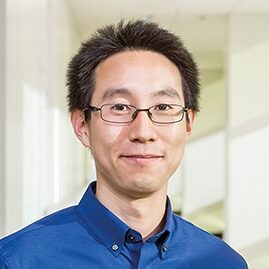
Building: 978, Room 4464
Mail Stop: 978R4121
Phone: (510) 486-5764
PMShih@lbl.gov
http://shih-lab.ucdavis.edu
Links
Research Interests
Much of the ingenuity of life has revolved around the evolution of metabolic pathways, which has unlocked novel chemistries and expanded the molecular repertoire of nature. In particular, plants have been especially successful through the evolution of many unique and relevant metabolisms, ranging from synthesis of specialized compounds that can be used as pharmaceuticals (e.g., morphine, artemisinin) to broad processes that drive our planet’s elemental cycles (e.g., photosynthesis). As a result, life as we know it could not exist without plants. Given the scale and utility of agriculture, plants offer a unique platform to address many imminent challenges facing society. My research focuses on developing the foundational knowledge needed to innovate, deploy, and engineer new traits in plants using synthetic biology. Beyond biotechnological applications, these approaches can also be utilized to provide more sophisticated tools to improve our basic understanding of plant systems.
Recent Publications
Related News
‘Speed Scanner’ Tests Thousands of Plant Gene Switches at Once
In combination with AI models, the new tool promises to vastly accelerate plant engineering.
Shih Honored by American Society of Plant Biologists
Shih was recognized for outstanding investigations in the field of plant biology.
Illuminating a Plant Engineering ‘Black Box’ Yields Improvements
Researchers at the Joint BioEnergy Institute make major advancements on a cornerstone plant engineering tool.
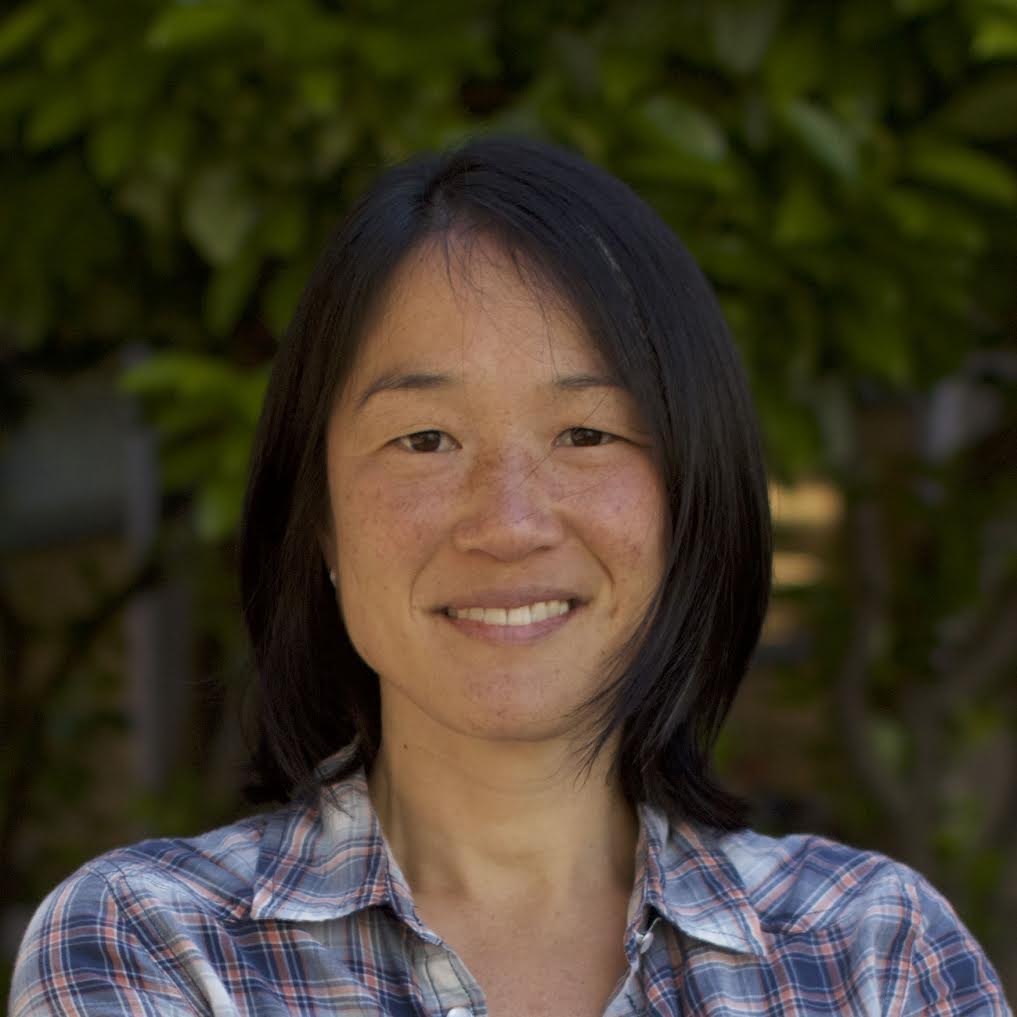
Divisions
Molecular Biophysics and Integrated Bioimaging
- Bioenergetics
Secondary Affiliation:
Environmental Genomics and Systems Biology
- Comparative and Functional Genomics
Research Interests
Responding to changing light in algae
Photosynthetic organisms depend on light for growth and must maximize its use. However excess light causes cell damage and possible death due to photo-oxidative stress. Thus each cell must respond efficiently to minimize damage, repair and simultaneously maximize the use of light under constantly changing light.
I am interested in understanding the mechanisms and signaling involved in the modulation of photoprotection and repair. I have used genomic, genetic, molecular biology and biochemical techniques to interrogate these processes in Chlamydomonas reinhardtii. The newly available algal genomes such as those of Chromochloris zofingiensis and Nannochloropsis oceanica and their emerging molecular tools will aid in advancing the discovery of genes involved in photoprotection and photosynthesis.
Biomineralization in algae
One can easily appreciate land plants as main players of photosynthesis but in fact nearly half of Earth’s photosynthesis is attributed to the microscopic phytoplankton in the oceans. A dominant group of oceanic algae, diatoms, have a unique type of cell wall that uses one of the most abundant elements, Si. As such, diatoms not only have a large impact on carbon fixation but also on the biogeochemical cycling of Si. I am interested in understanding the molecular process of Si biomineralization in algae by studying the model diatom, Thalassiosira pseudonana and another fresh water stramenopile, Synura petersenii using molecular, genetic, and genomic approaches.
Recent Publications
Related News
Biosciences Area FY23 LDRD Projects
22 Biosciences Area scientists and engineers were awarded funding for their projects through the FY23 Laboratory Directed Research and Development (LDRD) program.
Bioscientists to Receive DOE Funding for Biomanufacturing and Microbiome Research
Biosciences researchers are among the recipients of four new DOE awards. Two awards will focus on reducing carbon emissions while producing bioenergy. The other two are aimed at understanding the role of microbiomes in the biogeochemical cycling of elements like carbon.
Biosciences Area FY22 LDRD Projects
The projects of 17 Biosciences Area scientists and engineers received funding through the FY22 Laboratory Directed Research and Development (LDRD) program.


