
John C. Anderson
Biological Faculty Engineer
Research Interests
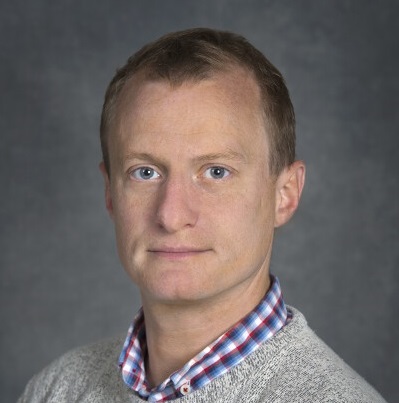
I develop new technologies and applications for synthetic biology, with a focus on automation and the use of software to facilitate all aspects of the field from target selection to design to biosafety and intellectual property management.
Recent Publications

Building: 953, Room 0369
Mail Stop: MCCONE
Phone: (510) 642-9488
Fax: (510) 643-9980
JFBanfield@lbl.gov
http://geomicrobiology.berkeley.edu/
http://eps.berkeley.edu/people/jill-f-banfield
Divisions
Energy Geosciences
Secondary Affiliation:
Environmental Genomics and Systems Biology
- Molecular EcoSystems Biology
Research Interests
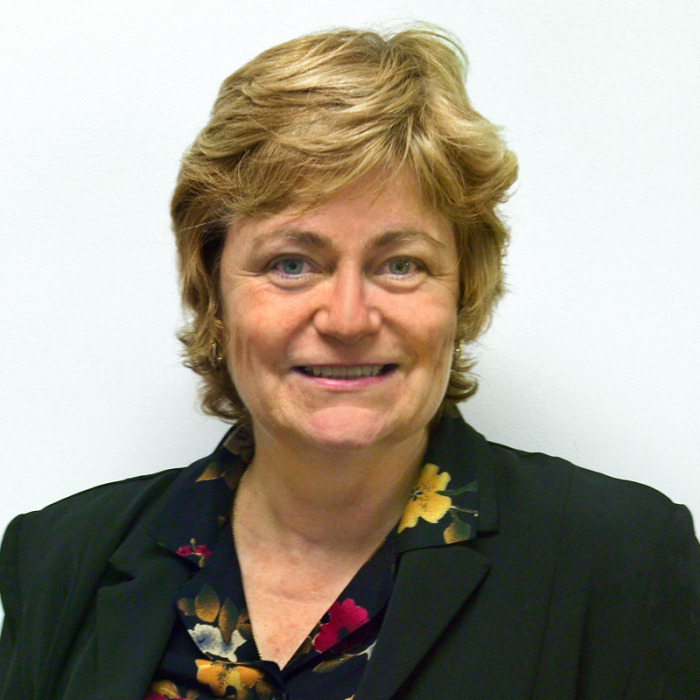
I am a Professor in the Departments of Earth and Planetary Science and Environmental Science, Policy, and Management at UC Berkeley, and have a faculty appointment in Materials Science and Engineering. I also have appointments in the geochemistry group of Earth and Environmental Sciences, and in the Environmental Genomics & Systems Biology Division at Lawrence Berkeley National Laboratory. My research interests are in geomicrobiology, which is the study of how microorganisms shape, and are shaped by, their natural environments. My research group studies microbial communities, primarily using cultivation-independent approaches such as genome-resolved metagenomics, metatranscriptomics, metaproteomics and metabolomics. We work on microbial dissolution and precipitation of minerals, the structure, properties and reactivity of clay minerals and nanoparticles (many of which are formed by microorganisms), microbial ecology, and microbial evolution. Many of our projects are tied to field sites. Current study locations include the Angelo Coastal Reserve and a groundwater site in the central valley (northern California), the Rifle site and East River watershed (Colorado) and Crystal Geyser (Utah). We also conduct laboratory experiments in microcosms designed to probe ecosystem processes and bioremediation treatments.
Recent Publications
Related News
How to Edit the Genes of Nature’s Master Manipulators
Scientists are using CRISPR to engineer the viruses that evolved to engineer bacteria.
Methane-Eating ‘Borgs’ Have Been Assimilating Earth’s Microbes
A newly discovered type of transferrable DNA structure with a sci-fi name appears to play a role in balancing atmospheric methane.
All-star Team Edits Entire Microbiome with CRISPR
Biosciences Area researchers have figured out how to add or modify genes within a microbial community of many different species, coining the phrase, community editing.
Recent Publications
Related News
A Laser-powered Upgrade to Cancer Treatment
Proof-of-principle experiments on normal human cells and tumor cells were the first to show that FLASH radiotherapy doses can be delivered by laser-driven accelerators. These radiation bursts resulted in higher survival of normal cells compared with cancerous cells.
Eleanor Blakely Awarded the Gray Medal
Biological Systems and Engineering (BSE) senior scientist Eleanor Blakely was awarded the Gray Medal in an August 26 ceremony at the International Congress of Radiation Research in Manchester, England. The award was established by the International Commission on Radiation Units and Measurements (ICRU) in 1967 in honor of the late Louis Harold Gray, former member and vice-chairman of the commission. It is awarded for outstanding contributions to diagnostic radiology and nuclear medicine, radiation therapy, radiation protection, and radiation science of interest to ICRU.
Bioscientists Named American Association for the Advancement of Science Fellows
Two members of the Biosciences Area, Eleanor A. Blakely and Krishna K. Niyogi, were among the five Lawrence Berkeley National Laboratory-affiliated researchers elected as Fellows of the American Association for the Advancement of Science (AAAS) this week. This honor is bestowed for distinguished and continuing achievements in advancing science to serve society.
Divisions
Scientific Data
Secondary Affiliation:
Biological Systems and Engineering
- BioEngineering & BioMedical Sciences
Research Interests
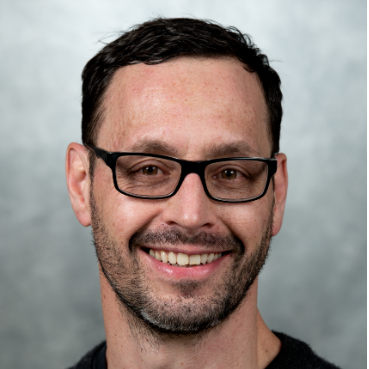
We are an interdisciplinary team that focuses on understanding how distributed neural circuits gives rise to coordinated behaviors and perception. We take a two-pronged approach to this problem by conducting in vivo neuroscience experiments and developing data science tools.
- On the neuroscience side, we investigate functional organization and dynamic coordination in brain by combining in vivo multi-scale electrophysiology and optogenetics in rodents. This multi-modal, multi-scale approach provides the simultaneous breadth of coverage and spatio-temporal resolution required to determine neural computations at the speed-of-thought.
- On the data science side, we develop analysis tools for (neuro)-science, including statistical-machine learning algorithms, inference in dynamic graphical models, and data standards/formats. These interpretable and predictive tools provide enhanced insight into the generative processes that produce data.
Recent Publications
Related News
Biosciences FY26 LDRD Projects
The Laboratory Directed Research and Development program at Berkeley Lab produces cutting-edge research for the DOE and the nation. Read about the Biosciences Area–led projects and multi-Area collaborations with Biosciences co-investigators receiving funding this cycle.
ML Opens New Doors in TBI Research
Applying machine learning capabilities developed at Berkeley Lab to an extensive dataset created by the TRACK-TBI collaboration led to a six-fold improvement in the precision with which TBI patient outcomes can be predicted.
A Common Data Format for Neurophysiology
A Berkeley Lab team developed a novel software architecture called Neurodata Without Borders (NWB) to serve as a standardized language for neurophysiology data and data-descriptors. The resulting data is findable, accessible, interoperable, and reusable (FAIR), and enables neuroscientists to effectively describe and communicate about their experiments and share data.
Building: 927, Room 461A
Mail Stop: KOSHLAND
Phone: (510) 643-9131
Fax: (510) 666-2505
SEBrenner@lbl.gov
http://compbio.berkeley.edu/
Links
Research Interests
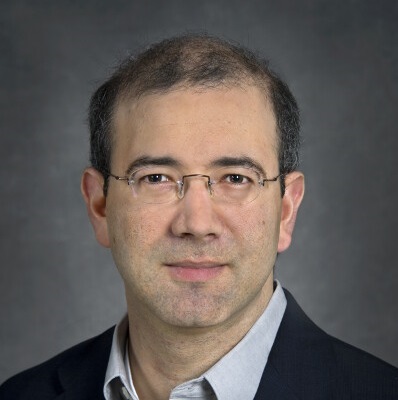
The Brenner research lab has three key research interests involving computational and experimental genomics: individual genome interpretation, gene regulation by alternative splicing and nonsense-mediated mRNA decay, and prediction of protein function using Bayesian phylogenomics.
Recent Publications
Related News
From a Single Genetic Mutation, Secrets of ‘Boy in the Bubble’ Disease Revealed
Steven Brenner, a biologist faculty scientist in the Environmental Genomics & Systems Biology Division and a UC Berkeley computational biologist, was part of an interdisciplinary, international research team that has identified the rare genetic mutation responsible for a unique case of “boy in the bubble” disease, known as severe combined immunodeficiency (SCID), a deadly immune system disorder. The researchers found that the cause was a mutated version of a gene called BCL11B, which also plays an unexpected role in the normal processes of immune system development. “This is a gene that had never been associated with SCID before, which required more advanced genome analysis techniques to discover,” said Brenner, co-author of the study, published on December 1 in the New England Journal of Medicine. “Moreover, unlike variants in every other known SCID gene, this mutation is dominant, which means you only need one copy of this mutation to disrupt multiple aspects of development.” Read more at UC Berkeley News.
Brenner Named ISCB Fellow 2016
Steven E. Brenner, faculty biologist in the Environmental Genomics & Systems Biology Division and Professor, Department of Plant and Microbial Biology at the University of California, Berkeley, has been conferred with Fellow status in the International Society for Computational Biology (ISCB). Fellows are ISCB members who have distinguished themselves throug h exceptional contributions to the fields of computational biology and bioinformatics. Brenner was recognized for his significant research contributions to protein analysis and genetics, and notable organizational service to the field, especially through Critical Assessment of Genome Interpretation (CAGI) and DREAM competitions. Brenner is one of thirteen Fellows selected for this year’s class, which will be introduced at Intelligent Systems for Molecular Biology 2016 in Orlando, Florida, in July.
Building: 70A, Room 3317E
Mail Stop: 70A3317
Phone: (510) 486-6584
Fax: (510) 486-7152
ELBrodie@lbl.gov
Divisions
Climate and Ecosystem Sciences
Secondary Affiliation:
Environmental Genomics and Systems Biology
- Molecular EcoSystems Biology
Biography
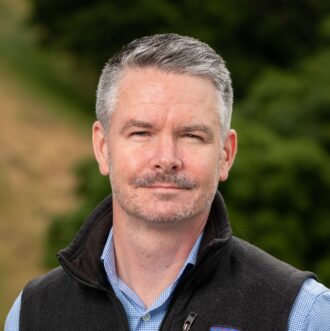
Eoin Brodie is a Senior Scientist in the Ecology Department of Berkeley Lab’s Earth and Environmental Sciences Area (EESA). Dr. Brodie serves as the Deputy Director of the Climate and Ecosystem Sciences Division, Program Domain Lead for Environmental and Biological Systems Sciences and co-lead of the labwide Microbes-to-Biomes initiative. At the University of California, Berkeley, Dr. Brodie is an Adjunct Assistant Professor in the Department of Environmental Science, Policy and Management. He obtained his Ph.D. from University College Dublin in Ireland and joined LBNL following postdoctoral research at UC Berkeley.
Dr. Brodie serves on the Editorial Board of Microbiome, on the Academic Editorial Board of Peer J and is an Associate Editor for Frontiers in Terrestrial Microbiology. For his role in development of the Berkeley Lab PhyloChip with Gary Andersen, Todd DeSantis and Yvette Piceno, in 2008 he was awarded an R&D100 award in addition to a Wall St Journal Technology Innovation award.
Research Interests
My research focuses on the feedbacks between microbial communities and their environment with a goal towards developing a predictive understanding of how biogeochemical cycles are regulated and how human health is impacted. The general approach can be considered ‘reverse engineering’, that is deconstructing naturally occurring microbial communities with desired properties to identify the functional roles of specific microorganisms, key inter-species interactions and critical environmental or host factors that influence the assembly and maintenance of these populations.
Recent Publications
Related News
UC Davis, Berkeley Lab Team up to Advance Green Agriculture
Three University of California, Davis, Faculty Fellows have been awarded $25,000 each to spearhead cross-campus research projects with Berkeley Lab scientists in the field of agricultural decarbonization. With agricultural activities contributing over 10% of the United States’ total greenhouse gas emissions, the sector is a prime target for lowering emissions and addressing the climate crisis. The teams will explore innovative methods to remove and store excess carbon dioxide from the atmosphere—a practice known as carbon sequestration—and minimize energy consumption in crop production.
Improving Climate Predictions by Unlocking the Secrets of Soil Microbes
A Berkeley Lab–led team of scientists has developed a new model that incorporates genetic information from microbes, enabling them to ascertain how soil microbes store carbon supplied by plant roots. The model could inform agricultural strategies to preserve carbon in the soil, supporting both plant growth and climate change mitigation.
Bioscientists to Receive DOE Funding for Biomanufacturing and Microbiome Research
Biosciences researchers are among the recipients of four new DOE awards. Two awards will focus on reducing carbon emissions while producing bioenergy. The other two are aimed at understanding the role of microbiomes in the biogeochemical cycling of elements like carbon.
Building: 55, Room 104A
Mail Stop: 55R0121
Phone: (510) 486-5435
Fax: (510) 486-4768
TFBudinger@lbl.gov
Recent Publications
No publications are available at this time.
Related News
At-home monitor Aids Prevention of Heart Disease
Berkeley Lab scientists’ invention opens the door to at-home or wearable devices for endothelial health monitoring.
Budinger to Receive 2018 IEEE Medal for Innovations in Healthcare Technology
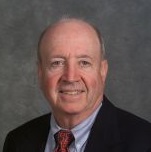
Biosciences' Thomas Budinger has been elected by the IEEE Board of Directors to receive the 2018 IEEE Medal for Innovations in Healthcare Technology for “pioneering contributions to tomographic radiotracer imaging.” An affiliate scientist in the Molecular Biology & Integrated Bioimaging (MBIB) Division and recalled professor in the Department of Bioengineering at UC Berkeley, Budinger noted that the cited work was made possible by support from the DOE and the contributions of his principal colleagues Stephen Derenzo (MBIB), Grant Gullberg (MBIB), Ronald Huesman (emeritus, Life Sciences), and William Jagust (MBIB/UC Berkeley). The award, sponsored by the IEEE Engineering in Medicine and Biology Society, was established in 2009 and is given annually for exceptional contributions to technologies and applications benefitting healthcare, medicine, and the health sciences. A gold medal, bronze replica, certificate, and honorarium will be presented to Budinger at the IEEE Honors Ceremony to be held in conjunction with the Vision, Innovation, and Challenges Summit in the spring.
Recent Publications
Building: 955, Room 212C
Mail Stop: 5230
Phone: 510-541-7235
j-h-doudna-cate@berkeley.edu
https://sites.google.com/berkeley.edu/cate-lab/
Research Interests
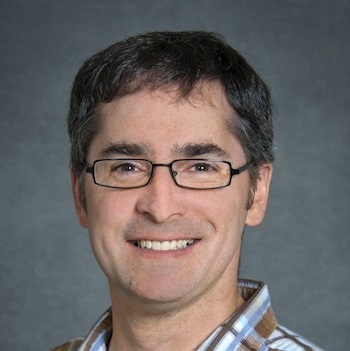
Protein Synthesis Understanding how the ribosome makes proteins and how these proteins fold remains a major challenge in biology. The lab is interested in how the ribosome initiates protein synthesis in humans, a highly-regulated step important for human health. The lab is also exploring proteins as they emerge from the ribosome, and how they are targeted to their final destination. Using bacterial translation, we are exploring ways to engineer the ribosome to make polymers other than proteins. To determine the mechanisms underlying protein synthesis and its regulation, the lab uses a combination of cryo-electron microscopy, systems biology, biochemistry and biophysics.
Recent Publications
Related News
MBIB Leadership Changes Announced
A number of changes in division leadership were announced by Molecular Biophysics and Integrated Bioimaging Division Director Paul Adams.
Cate among Five Lab Scientists Named New AAAS Fellows
 The new American Academy of Arts and Sciences (AAAS) fellows include Biosciences’ Jamie Cate from the Molecular Biophysics and Integrated Bioimaging Division. The other Berkeley Lab scientists honored are Christopher Chang (Chemical Sciences), Roger Falcone (ALS), Michael Witherell (Lab Director), and Katherine Yelick (Computing Sciences). AAAS fellowships recognize leading figures in academia, the arts, science, business, and government. Read more in the Berkeley Lab News Center.
New Drug Strategy: Target Ribosome to Halt Protein Production
The discovery of a chemical compound that halts the production of a small set of proteins while leaving general protein production untouched suggests a new drug search strategy: Find compounds that target undesired proteins before they are even made. In a paper appearing in the journal PLOS Biology, described the work of researchers at the University of California, Berkeley, and Pfizer Worldwide Research and Development. Faculty scientist Jamie Cate, Structural Biology Department Head in the Molecular Biophysics and Integrated Bioimaging Division, was a senior author of this study. Read the full story in Berkeley News.
Building: Potter Street (977), Room 160
Mail Stop: 977
Phone: (510) 486-6258
Fax: (510) 486-6798
SECelniker@lbl.gov
Divisions
Biological Systems and Engineering
- BioEngineering & BioMedical Sciences
Secondary Affiliation:
Environmental Genomics and Systems Biology
- Comparative and Functional Genomics
Biography
Dr. Celniker graduated from Pitzer College with a B.A. in Biology and Anthropology, followed by two years at the City of Hope National Medical Center in the Department of Medical Genetics studying brain proteins from Huntington’s patients. After completing her dissertation at Caltech, she received her Ph.D. in Biochemistry from the University of North Carolina, Chapel Hill. She accepted an NIH Postdoctoral Service Award (1983-1986) to work with E.B. Lewis (Nobel Laureate, 1995) conducting a genetic analysis of the bithorax complex, homeotic gene, Abdominal-B. She continued to work with Dr. Lewis until 1996, when she was hired as a Staff Scientist at Berkeley Lab. In 2001, she was a co-recipient of the AAAS Newcomb Cleveland Prize for “The Genome Sequence of Drosophila melanogaster.”
She led the effort to characterize the Drosophila transcriptome for NHGRI’s modENCODE (Encyclopedia of DNA Elements) project. She is an advisor to FlyBase (2007-present), on the editorial boards of BMC Genomics (2009-present) and G3 (2011-present), and a fellow of the American Association for the Advancement of Science. Previously, she served as the Deputy Director of the Life Sciences Division as well as the Biological Systems and Engineering Division from 2016-2021.
Recent Publications
Related News
Researchers Aid in Quest to Identify GMOs
Biosciences Area researchers led testing and evaluation of technologies developed to quickly distinguish genetically modified organisms from naturally occurring ones. They designed and produced biological samples of increasing complexity to assess how well the tools performed.
Microbes to the Rescue
A team of researchers from the Biosciences Area at Berkeley Lab and the University of Birmingham in the United Kingdom found one particular organism in the fly’s microbiome that helps protect it from atrazine, an herbicide toxic to flies that is commonly used in agriculture.
A Laser-powered Upgrade to Cancer Treatment
Proof-of-principle experiments on normal human cells and tumor cells were the first to show that FLASH radiotherapy doses can be delivered by laser-driven accelerators. These radiation bursts resulted in higher survival of normal cells compared with cancerous cells.
Building: 977, Room 291
Mail Stop: 977
Phone: (510) 495-2262
HChang@lbl.gov
http://bmihub.org/users/hang-chang
Links
Divisions
Biological Systems and Engineering
- BioEngineering & BioMedical Sciences
Secondary Affiliation:
Molecular Biophysics and Integrated Bioimaging
- Cellular and Tissue Imaging
Research Interests
The research interests in my lab are primarily centered at interfaces between engineering, computation and biology. Our current research focus is on knowledge discovery and inference from large scale scientific data with applications to computational biology and biomedical informatics, including,
- Identification of imaging bio-markers towards personalized therapy; and,
- Development of a big data oriented open-source Information Technology (IT) solution for domain adaptive biomedical informatics.
Recent Publications
Related News
New Research Further Elucidates Health Impacts of Thirdhand Smoke
By combining experimental models, genomics, and AI-enabled analytics, researchers at Berkeley Lab are beginning to construct predictive frameworks that elucidate how environmental exposures interact with genetic susceptibility to influence disease risk.
Toward a Genetic Understanding of Variability in Radiation Sensitivity
Injury to immune-system and blood-forming cells is a common side effect of radiation therapy, which more than half of all cancer patients receive as part of their treatment. Biosciences Area researchers and their collaborators used a genetically diverse mouse population to model individual differences in sensitivity to radiation exposure.
Genetic Background Influences Cancer Risk of Thirdhand Smoke Exposure
A new study investigating the effect of thirdhand smoke (THS) in a mouse model system specially designed to mimic the genetic diversity of human populations has shed new light on how genetic predispositions contribute to an individual's cancer risk. This work is an instrumental step towards building a more realistic understanding of how tobacco smoke residue could impact cancer risk in people.

Research Interests
Our research laboratory utilizes the approaches of mechanistic biochemistry, molecular and cell biology, metabolic engineering, and synthetic biology to address problems in energy and human health. We design and create new biosynthetic pathways in microbial hosts for in vivo production of biofuels from abundant crop feedstocks and pharmaceuticals from natural products or natural product scaffolds. A unifying theme of all of our projects is a focus on gaining a detailed molecular understanding of how living cells control enzymatic processes within the context of the entire metabolic network. Specific projects under current investigation include (i) the in vivo production of biofuels from plant biomass, and (ii) the development of new biosynthetic methods for selective, catalytic C-F bond formation under mild conditions.
Recent Publications
Related News
Biosciences Area FY17 LDRD Projects
The projects of 13 Biosciences Area scientists and engineers received funding through the FY17 Laboratory Directed Research and Development (LDRD) program. The funded projects cover a broad range of topics including the study of microbiomes in relation to their environment, plants, and gut health; catalysis for solar conversion to energy; and genomic expression in tissue. Among them were three projects related to Lab-wide initiatives. Together, these efforts account for 17.5% of the $25.2 million allocated. Lab-wide, a total of 88 projects were selected from a field of 166 proposals.
Biosciences Area FY16 LDRD Projects
The projects of eleven Biosciences Area scientists and engineers received funding through the FY2016 Laboratory Directed Research and Development (LDRD) program. These projects cover a broad range of topics, including energy science technology applications, novel computing technologies, and mechanistic understanding of multi-scale interactions among molecules, microbes, plants, metazoans, the abiotic environment, and their feedbacks. Together, these efforts account for nearly 14% of the $25.3 million allocated. Lab-wide, 84 proposals were selected from a field of 179.
LDRD Update: Six PBD Researchers Awarded FY15 Funding and FY16 Announcement
The projects of six Physical Biosciences Scientists and Engineers received funding through the FY2015 Laboratory Directed Research and Development (LDRD) program. These projects cover a broad range of topics, including energy, biomanufacturing, and technology and tool development.


