
John Vogel
Biologist Senior Scientist
Adjunct Professor, UC Berkeley Plant & Microbial Biology
Building: 91, Room 250L
Mail Stop: 91R0183
Phone: 925-588-8441
JPVogel@lbl.gov
https://jgi.doe.gov/who-we-are/john-vogel
Links
Divisions
- Science Programs
Secondary Affiliation:
Environmental Genomics and Systems Biology
- Molecular EcoSystems Biology
Research Interests
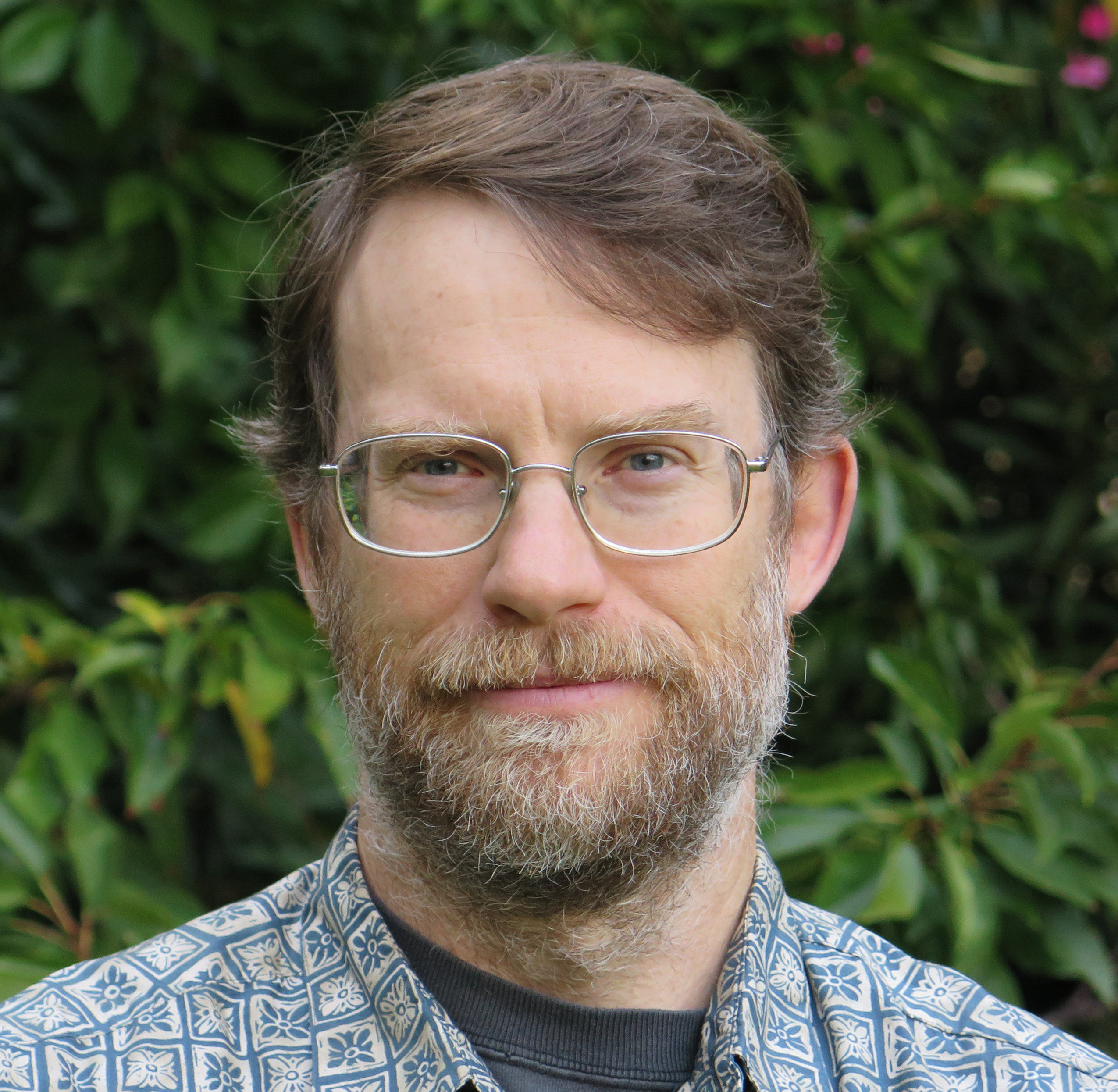
Dr. Vogel’s research is focused on developing plant functional genomic resources and utilizing these resources to understand genome organization and regulation, abiotic stress tolerance, plant-microbe interactions, and the molecular basis of perenniality. Most projects in his lab utilize B. distachyon and related species as model systems to develop knowledge that will ultimately be used to improve biomass crops like switchgrass. Major projects currently underway include: 1) Defining the pan-genome of B. distachyon through de-novo assembly and annotation of 100 natural accessions 2) Using a trio of Brachypodium species as a model for polyploidy in order to understand polyploid genome evolution and regulation 3) Using a defined microbiome to identify plant genes that influence the composition and function of the root microbiome 4) Determining the molecular mechanism of engineered resistance to multiple abiotic stresses and the molecular basis of perenniality using the perennial model grass Brachypodium sylvaticum 5) Developing a comprehensive collection of defined grass mutants by sequencing chemical and radiation induced mutants.
Programs & Initiatives
- Plant Functional Genomics at JGI
- Microbes to Biomes (M2B)
Recent Publications
Related News
Meet EcoBOT: The Autonomous Lab Standardizing Plant-Microbe Research
Berkeley Lab’s new self-driving laboratory, EcoBOT, automates complex plant experiments to eliminate human error, solve biology’s replication crisis, and accelerate bioenergy research.
EcoFABs Could Help Fuel AI in Agriculture
A first-of-its-kind global study showed that EcoFABs can deliver consistent results across labs on three continents, supported by open protocols, tools, and datasets. The reliable, large-scale data EcoFABs generate are ideal for training AI, which could help accelerate discoveries in crop development, soil health, and agriculture.
Biosciences FY26 LDRD Projects
The Laboratory Directed Research and Development program at Berkeley Lab produces cutting-edge research for the DOE and the nation. Read about the Biosciences Area–led projects and multi-Area collaborations with Biosciences co-investigators receiving funding this cycle.
Divisions
Environmental Genomics and Systems Biology
- Molecular EcoSystems Biology
Secondary Affiliation:
- User Programs
Biography
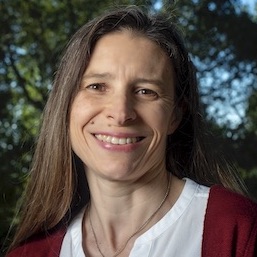
Major foci of Tringe’s current research efforts are the roles of microbial communities in wetland carbon cycling and the interactions of plants with their associated microbiomes. She is the Laboratory Research Manager for the ENIGMA Scientific Focus Area. Tringe earned her bachelor’s degree in physics from Harvard University and her doctorate in biophysics from Stanford University. In her nearly two decades at Berkeley Lab, Tringe previously served in multiple roles at the DOE Joint Genome Institute (JGI), including Deputy of User Programs and head of the Metagenome Program. She is the 2021 recipient of the Ernest Orlando Lawrence Award, one of DOE’s highest honors, and was named a Fellow of the American Association for the Advancement of Science (AAAS) in 2018.
Research Interests
Sequence-based approaches to studying microbial community assembly, function and dynamics in terrestrial ecosystems.
Recent Publications
Related News
Examining the Role of Bacteria in Produced Water Treatment
Berkeley Lab scientists are studying a particular kind of bacteria found in water leftover from oil and gas extraction to help inform the biological treatment of wastewater.
University of Duisburg-Essen Delegation Explores Collaborative Opportunities with Lawrence Berkeley National Laboratory
Building on a Memorandum of Understanding signed between UDE and Berkeley Lab researchers, a kick-off meeting focused on future collaborations in the fields of genomics, structural biology, bioimaging, and water research.
Rising Sea Levels Could Mean Higher Wetlands Methane Emissions
Area researchers led a team that examined the microbial, chemical, and geological features of 11 wetland zones in the Bay Area. Their findings indicate that the factors governing how much greenhouse gas is stored or emitted in natural landscapes are more complex and difficult to predict than previously thought.

Building: 1, Room 314
Mail Stop: DONNER
Phone: (510) 292-9495
Fax: (510) 486-7080
JMChandonia@lbl.gov
http://www.strgen.org/~jmc/
Links
Divisions
Environmental Genomics and Systems Biology
- Biosystems Data Science
Secondary Affiliation:
Molecular Biophysics and Integrated Bioimaging
- Structural Biology
Research Interests
John-Marc Chandonia is a computational biologist with a background in protein structure prediction, structure classification, and evolutionary analysis of proteins.
Recent Publications

Research Interests
My research program is focused on understanding the molecular basis of cell mechanics and mechanotransduction with them aim to shed light on the role of these biological processes in human disease. Our specific attention is on the role of two macromolecular systems in cellular function, namely the integrin-mediated focal adhesions at the interface between the cell and extracellular matrix (ECM) and the nuclear pore complex (NPC). Focal adhesions are the immediate sites of cell interaction with the ECM, and as such they play a key role in mechanosensing and mechanotransduction at the edge of the cell. Nuclear pores could also play a role in the overall process of cellular mechanotransduction by exquisitely controlling the material transport in and out of the nucleus, thereby regulating the gene expression and protein synthesis.
Recent Publications
Related News
Gatekeeping Proteins to Aberrant RNA: You Shall Not Pass
In a new study, faculty scientist Mohammad Mofrad from the Molecular Biophysics & Integrated Bioimaging Division, together with his Ph.D. student Mohammad Soheilypour, shed light on a complex system of cell regulation that acts as a form of quality control for the transport of genetic information out of the nucleus. Getting a more complete picture of how genetic information gets expressed in cells is important in disease research, the researchers say. “Some components of this machinery are dysregulated in various types of cancers,” explains Mofrad. “Understanding the molecular mechanism of genetic information transport and quality control would substantially improve the current knowledge about various types of cancers and other human diseases.” Their findings were published in the journal Scientific Reports of November 2. Read the full story on the Berkeley Lab News Center.
New Clues on How Cell Nucleus Gatekeeper Works
Scientists have gained insight on how some molecules are allowed to enter and exit the nucleus while keeping other molecules out. Their research, led by Mohammad Mofrad in the Molecular Biophysics & Integrated Bioimaging Division, is a step forward in building a more comprehensive understanding of nuclear pore complex function, which has numerous implications in […]

Research Interests
Serial crystallography at modern lightsources, especially X-ray free electron lasers (XFELs), has allowed us to examine the time evolution of biomolecules, while avoiding the radiation damage commonly experienced with earlier single-crystal techniques. My group is developing the computational techniques needed to process XFEL data. One important target is photosystem II, where an extremely detailed structural description of the sunlight-driven water splitting process is emerging, based on work with collaborators in MBIB Division and elsewhere. Indeed, we hope to understand the sequential transfer of single electrons, using special diffraction experiments performed at the X-ray absorption edge of the Mn cofactor atoms. This entirely new analysis technique for metalloproteins will be enabled by cctbx.xfel, our open-source data processing package.
These challenging crystallography problems require ultrafast X-ray imaging detectors that produce massive datasets (100 TB/day), requiring radically scaled-up computer resources. Within the Exascale Computing Project (ECP) we have implemented a processing pipeline that utilizes GPU nodes at national supercomputing centers such as NERSC, thus turning around large datasets within a matter of minutes so experimental decisions can be made during data collection.
Profoundly detailed algorithms are needed to analyze every pixel of the diffraction pattern, using a Bayesian framework to “solve the inverse problem” to infer the best physics parameters that describe the data. For situations where we do not know the deterministic model, we are experimenting with machine learning approaches.
Recent Publications
Related News
Ultrabright, Ultrashort X-ray Bursts Capture Enzymes in Action
Frame-by-frame ‘molecular movies’ reveal previously invisible intermediates, paving the way for potential new cancer treatments and antibiotics.
Mapping Photosynthesis for a Brighter Future
In this Q&A, MBIB researchers Jan Kern and Asmit Bhowmick delve into the discoveries from their recent structural biology studies of the photosynthetic apparatus in plants and bacteria.
Biosciences FY26 LDRD Projects
The Laboratory Directed Research and Development program at Berkeley Lab produces cutting-edge research for the DOE and the nation. Read about the Biosciences Area–led projects and multi-Area collaborations with Biosciences co-investigators receiving funding this cycle.

Biography
Since 2015, Junko Yano has held leadership roles in the MBIB Division, first as head of the Bioenergetics Department, then as Deputy for Science, and most recently as interim Director. Yano is a senior scientist and has served as a member of the Lab Staff Committee since 2016 and the DOE Council on Chemical and Biochemical Sciences since 2015. She is a co-principal investigator of the multi-institutional Liquid Sunlight Alliance (LiSA), one of two projects in the Fuels from Sunlight Energy Innovation Hub funded by the DOE Office of Science, Basic Energy Sciences. Yano earned her doctorate in physical chemistry at Osaka University and came to the Lab as a postdoctoral fellow in 2001. Her research interests pertain to problems of importance in energy—particularly renewable energy sources. Her group uses X-ray spectroscopy and crystallography at X-ray free electron lasers and synchrotron facilities to understand biological and inorganic systems under functional conditions. They are studying how, during photosynthesis, plants use light to split water using a catalytic Mn4Ca cluster, converting light energy into chemical energy.
Research Interests
• Structure and function of active metal sites in metalloenzymes.
• X-ray crystallography and X-ray spectroscopy using an X-ray free electron laser.
• Application of X-ray-based techniques to artificial photosynthetic systems such as light-absorbers and catalysts to study electron transfer and catalytic reaction mechanisms in situ.
• Application of synchrotron X-ray absorption/diffraction methods for the analysis of molecular structures, crystal structures, and electronic structures of inorganic catalysts.
• Water oxidation reaction in natural photosynthesis
• Structure and function relationship using vibrational spectroscopy and EPR spectroscopy in organic/organometallic materials.
Recent Publications
Related News
Ultrabright, Ultrashort X-ray Bursts Capture Enzymes in Action
Frame-by-frame ‘molecular movies’ reveal previously invisible intermediates, paving the way for potential new cancer treatments and antibiotics.
Mapping Photosynthesis for a Brighter Future
In this Q&A, MBIB researchers Jan Kern and Asmit Bhowmick delve into the discoveries from their recent structural biology studies of the photosynthetic apparatus in plants and bacteria.
Atomic X-ray Laser Opens Door to Attosecond Imaging
A newly discovered X-ray laser approach is fast and powerful enough to capture details about the movement of electrons.

Research Interests
A systems biology approach to identification of genetic networks controlling susceptibility to tumor development and progression induced by environmental exposure
Genetic susceptibility plays a role in many types of cancer. Identifying the genes involved in susceptibility to cancer may have potential utility in risk management, lead to greater understanding of the biological pathways involved in cancer development, and elucidate how environmental factors exert their effects in combination with genetic variants. One of the broad and long-term goals of my laboratory is to identify the combinations of genes and their functional polymorphisms that affect the susceptibility of individual human subjects to the effects of environmental exposure, such as thirdhand smoke and radiation. The detection and characterization of multiple low penetrance genetic variants that control many complex diseases is one of the major challenges of the future, but progress is hampered by formidable technical and conceptual difficulties. Mouse models offer many advantages for the study of the genetic basis of complex traits, including environmental exposure-induced cancers, because of our ability to control both the genetic and environmental components of risk. The goal is the understanding of all stages of multi-step carcinogenesis in the mouse, in particular the relationships between germ line predisposition and somatic genetic changes in tumors. The identification of human homologues of these predisposition genes and discovery of their roles in carcinogenesis will ultimately be important for the development of methods for prediction of risk, diagnosis, prevention and therapy for human cancers. We will use mouse population-based approach, such as Collaborative Cross system, to exploit the variation in susceptibility to environmental exposure-induced cancers and to identify the combinations of quantitative trait loci (QTLs) that control the radiation response. The power of classical mouse genetics will be complemented by new approaches involving haplotyping to refine the genomic locations of QTLs, together with sophisticated genetic analysis of the somatic events in environmental exposure-induced cancers using next generation sequencing technology. This comprehensive systems biology approach may identify specific genes or pathways that are differentially controlled between mouse strains, and contribute to variation in susceptibility to environmental exposure-induced carcinogenesis.
Develop new mouse models for human cancer
Sporadic tumors, which account for the majority of all human cancers, evolve as the result of a step-wise accumulation of genetic alterations resulting in uncontrolled cell proliferation and a lack of response to apoptotic cues. Such genetic alterations include point mutations, deletions, duplication/amplification, and translocations and these alterations can lead to the enhanced or decreased activity of the expressed protein. These alterations are referred to as ‘gain-of-function’ or ‘loss-of-function’ mutations, respectively. The affected genes are termed oncogenes or tumor suppressors, respectively. Within the last decade, the availability of a complete sequence-based map of the human genome, coupled with significant technological advances, has revolutionized the search for somatic alterations in tumor genomes. Within a given tumor type there are many infrequently mutated genes and a few frequently mutated genes, resulting in incredible genetic heterogeneity. The resulting catalogues of somatic alterations will point to candidate cancer genes, but requiring further validation to determine whether they have a causal role in tumorigenesis. The availability of gene targeting and transgenic technology in the mouse gives us unparalleled opportunities to test the functional significance of genetic changes in tumor development. Another one of the broad and long-term goals of my laboratory is to develop new mouse models for human cancer. These mouse models not only will increase our understanding of genetic aberration associated with cancer progression, but also will potentially help to identify personalized medicine for cancer patients, which may eventually contribute to a decrease in morbidity and mortality of cancer.
Recent Publications
Related News
New Research Further Elucidates Health Impacts of Thirdhand Smoke
By combining experimental models, genomics, and AI-enabled analytics, researchers at Berkeley Lab are beginning to construct predictive frameworks that elucidate how environmental exposures interact with genetic susceptibility to influence disease risk.
A New Genetic Hallmark for Predicting Breast Cancer Outcomes
Biosciences researchers have used Collaborative Cross mice, a mouse model system designed to mimic the diversity of human populations, to identify a set of genetic factors that could help refine treatment approaches for a fast-growing form of breast cancer.
Two Scientists Join Ranks of AAAS Fellows
Two senior scientists in the Biosciences Area, Jian-Hua Mao and Trent Northen, are newly named Fellows of the American Association for the Advancement of Science (AAAS).

Building: 91 (JGI), 84 (LBNL), Room 250A (JGI), 236 (LBNL)
Mail Stop: 84R0171
Phone: (510) 495-2301
AVisel@lbl.gov
https://jgi.doe.gov/who-we-are/program-platform-leads/groups/plant-microbial-interactions-group
http://dna.lbl.gov/
https://jgi.doe.gov/who-we-are/axel-visel
Links
Divisions
- Science Programs
Secondary Affiliation:
Environmental Genomics and Systems Biology
- Comparative and Functional Genomics
Biography
Axel Visel joined the DOE Joint Genome Institute (JGI) in 2010 and currently serves as the Deputy of Science. He focuses on the development and implementation of strategic initiatives and leads the JGI Science Programs department. Visel received his Ph.D. in 2004 from the Max Planck Institute in Hanover, Germany, and performed postdoctoral training at Lawrence Berkeley National Laboratory (Berkeley Lab). In addition to his appointment at the JGI, Visel also holds appointments as a Senior Staff Scientist in the Environmental Genomics and Systems Biology Division at Berkeley Lab and as an Adjunct Professor at the School of Natural Sciences at the University of California, Merced.
Recent Publications
Related News
Face to Face: What Drives Facial Evolution?
By looking into the evolution of faces, researchers uncovered new insights into the mechanisms of facial morphology in mice and chickens, all catalogued in a free web resource.
AI Helps Decode Gene Regulation
A combination of comprehensive experiments and machine learning is uncovering hidden complexities of gene expression during development.
Nurturing STEM Opportunities for Native Americans
A Berkeley Lab internship program aims to help increase Native American representation in graduate programs.

Building: 977, Room 207A
Mail Stop: 955-512L
Phone: (510) 643-3722
MNPrice@lbl.gov
http://morgannprice.org/
Links
Research Interests
Thanks to cheap DNA sequencing, we are slowly starting to understand the incredible diversity of bacteria. I build computational tools to help us use all this data to understand how diverse bacteria work. This understanding can help us manage our environment, control the bacteria inside us, and develop new biotechnologies.
Recent Publications
Related News
Make Mine a Double: Mapping Gene Networks to Decode Function
Scientists develop a pairwise approach to study genomic interactions at scale, revealing vulnerabilities that could be prime targets for new antibiotics.
Revealing the Mysteries Within Microbial Genomes
A new technique developed by Biosciences Area researchers will make it much easier to discover the traits or activities encoded by genes of unknown function in microbes—a key step toward understanding the roles and impact of individual species.

Building: 922, Room 608A
Mail Stop: MC#3220
Phone: (510) 643-9706
Fax: (510) 643-4500
CJBustamante@lbl.gov
Links
Research Interests
Our lab specializes in single molecule biophysics, where we can track and measure the activity of individual enzymes. By looking at each enzyme, we can parse out effects which are not resolvable in bulk experiments. We use optical tweezers, magnetic tweezers, atomic force microscopy (AFM), single molecule fluorescence, fluorescence correlation spectroscopy (FCS), and super-resolution photo-activatable light microscopy (PALM).
We are interested in studying how the cell converts chemical energy into mechanical work through highly specialized molecular machines. The generation, transduction, and regulation of force are key to many central processes in the cell. Many enzymes, such as polymerases, are motors which move along a cellular track, using chemical energy to take regulated steps and control synthesis.
Recent Publications
Related News
Carlos Bustamante Wins Biophysical Society’s 2021 Kazuhiko Kinosita Award
Carlos Bustamante, a biophysicist faculty scientist in the Molecular Biophysics and Integrated Bioimaging (MBIB) Division, received the 2021 Kazuhiko Kinosita Award during the Biophysical Society’s 65th Annual Meeting. He was recognized for his experimental creativity and the breadth and depth of his studies.
Building: 977, Room 104
Mail Stop: 977
Phone: (510) 486-7273
MRStampfer@lbl.gov
http://hmec.lbl.gov
Links
Research Interests
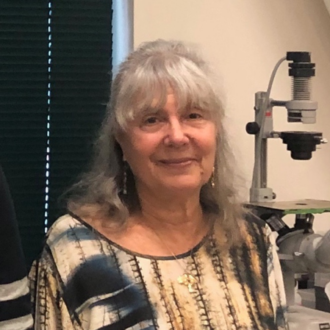
The long-term objective of my program since 1976 has been to develop and characterize an experimentally tractable human mammary epithelial cell (HMEC) culture system for use in a wide variety of studies on normal human cell biology, aging, and carcinogenesis. Our aim has been to understand normal HMEC processes, and how these processes may be altered during immortal and malignant transformation, and during aging. We believe that understanding normal healthy biology is necessary for clear understanding of what constitutes abnormal processes. Our desire to facilitate widespread use of human epithelial cells for molecular and cellular biology studies has led us to develop an HMEC system that is relatively easy to use, can provide large quantities of standardized cell populations, and is well-characterized. Ongoing collaborative studies assessing the effects of cell-cell and cell-ECM components aim to improve the ability of this in vitro culture system to accurately reflect in vivo biology.
To address our goals, we have generated an integrated HMEC culture system containing:
- Normal finite lifespan HMEC
a) The normal HMEC display long-term growth, ~30-60 population doublings
b) Cells are available from women aged 16-91, allowing study of aging effects.
c) Multiple lineages (myoepithelial, luminal, progenitor) are present, allowing study of lineage differentiation. - Aberrant finite lifespan HMEC
a) Normal HMEC were exposed to a variety of oncogenic agents/genomic changes reflective of known in vivo breast cancer etiology (e.g., chemical carcinogens, stress, p53 or p16 inactivation).
b) Exposed cultures produced aberrant cells that bypassed or overcame a stress-associated senescence barrier (stasis) via errors in the RB pathway, to become aberrant post-stasis cultures.
c) A variety of distinct post-stasis phenotypes were generated, reflecting different potential types of in vivo pathways of malignant progression. - Immortally transformed lines isogenic to normal and aberrant finite HMEC
a) Post-stasis cultures produced rare clonal lines possessing genomic errors and a variety of distinct phenotypes, including both basal and luminal.
b) Non-clonal lines without gross genomic errors have been derived by direct targeting of tumor-suppressor barriers (stasis, replicative senescence).
c) Since non-malignant immortally transformed lines have overcome the major tumor suppressor barriers, including oncogene-induced senescence (OIS), they can be readily transformed to malignancy following exposure to specific oncogenes.
d) We also have hTERT-immortalized lines, however they display very long telomeres and high telomerase activity, unlike any normal HMEC or HMEC with cancer-associated immortalization (short-regulated telomeres, modest telomerase activity); we do not think they are a good model for either normal or cancer.
Detailed information on the derivation, characterization, and methods for growth of these cells, as well as information on how other labs may obtain these cells, can be found on my website: http://hmec.lbl.gov
Our laboratory’s long-term emphasis on extensive development and characterization of one human epithelial cell type model system has enabled a unique overview and led us to produce a new model of the tumor-suppressive senescence barriers encountered by cultured normal finite lifespan HMEC as they grow, senesce, overcome senescence barriers, and gain immortality and malignancy. These ongoing studies have indicated that most (not all) normal cultured HMEC cease proliferation due to a stress-associated senescence barrier, stasis, mediated by the retinoblastoma protein (not telomere attrition). Normal HMEC prior to this barrier (pre-stasis) display significant biological differences compared to finite post-stasis HMEC or to isogenic fibroblasts.
Immortality derives from overcoming the replicative senescence barrier resulting from telomere attrition, and requires reactivation of endogenous telomerase activity – which also confers resistance to OIS. Both pre- and post-stasis finite HMEC show many significant differences compared to non-malignant immortally transformed lines, whose molecular phenotype more closely resembles cancer-derived lines than finite cultures. Significantly, our in vitro transformation model is consistent with the molecular changes observed during malignant transformation in vivo; e.g.; the molecular and genomic properties of cells in hi-grade DCIS, where immortalization is first observed, closely resemble cognate cancer, more than normal cells. Our model system makes possible examination of factors that may enhance or inhibit carcinogenesis at different stages of progression.
Recent Publications
Related News
Normal is Good: Breast Cells Produced in Novel Media Resemble Those In Vivo
When studying human cells in a laboratory, it is important that the media, or the broth that bathes the cells, contains all of the nutrients necessary to support cells through their normal growth and division phases even though they are outside of the body. Bioscientists at Berkeley Lab have a long history of studying breast cancer, and Martha Stampfer, senior scientist in the Biological Systems & Engineering (BSE) Division, has spent decades developing media now widely used by the community. Today, PLOS ONE published a study describing a comprehensive analysis of three kinds of media used to grow human mammary epithelial cells (HMEC).

Building: 1, Room 360
Mail Stop: DONNER
Phone: (510) 486-7469
Fax: (510) 486-6488
PJWalian@lbl.gov
Links
Research Interests
Our group maintains a long-standing interest in the structure and function of macromolecular complexes, with an emphasis on membrane protein biology. Areas of investigation have included molecular mechanisms facilitating solute transport, intra-membrane proteolysis, cell-cell interactions, and protein-protein interaction networks. As a member of the ENIGMA SFA program, a significant portion of our research has focused on the identification and characterization of cell membrane-based mechanisms utilized in bacterial stress response, and the formation and maintenance of microbial communities. The subjects of these studies have been characterized using a range of biophysical and biochemical approaches involving methods such as the large-scale purification of recombinant and endogenously expressed proteins, liposome reconstitution, electron microscopy, X-ray and electron crystallography, X-ray micro-computed tomography (micro-CT), molecular dynamics simulations and proteomics.


