
Kathleen R. Ryan
Biologist Faculty Scientist

Research Interests
The Ryan lab studies mechanisms that regulate protein activity in bacteria. We have focused on the Gram-negative aquatic bacterium Caulobacter crescentus because it has a complex life cycle that is driven in large part by changes in the phosphorylation, proteolysis, localization, and interactions of proteins.
C. crescentus undergoes a developmental step during its division cycle from a motile cell unable to replicate its DNA to a nonmotile cell that is competent for chromosome replication. We use synchronized populations of motile G1-phase cells to study the events that occur during development. C. crescentus also divides asymmetrically, producing one motile and one nonmotile cell at each division. Proteins in the predivisional cell are segregated to opposite ends to mediate the differentiation of identity after division. We study the locations and movements of individual proteins using fluorescence microscopy.
Specific problems that we are investigating include the following: regulated degradation of a key transcription factor during the motile-sessile developmental step; the roles, locations, and interactions of enzymes that participate in cell wall biosynthesis; and the regulatory functions of protein phosphorylation on serine, threonine, or tyrosine residues.
Recent Publications

Building: 978, Room 4116
Mail Stop: 978-4121
Phone: (510) 486-7808
Fax: (510) 486-5225
BASimmons@lbl.gov
Biography
In addition to directing the Biological Systems & Engineering Division, Blake Simmons serves as the Chief Scientific and Technology Officer and Vice President of the Deconstruction Division at the Joint BioEnergy Institute in Emeryville. After earning his BS in chemical engineering from the University of Washington, Simmons continued his studies at Tulane University and received his doctorate in the same field. For the past 15 years, Simmons has been part of the Senior Management team at Sandia National Laboratories, most recently serving as the Senior Manager of Advanced Biomanufacturing, Biomass Program Manager, as well as Adjunct Professor at the University of Queensland. His expertise includes biofuels, renewable chemicals, biomanufacturing, abiotic-biotic interfaces, biomass pretreatment, enzyme engineering, biofuel cells, templated nanomaterials, microfluidics, desalination, and biomineralization.
Research Interests
Bioenergy
A significant focus in my research program at the Joint BioEnergy Institute is the development of new scientific insights and novel technologies for biomass deconstruction, the process of breaking down and fractionating lignocellulos into targeted intermediates through the use of ionic liquids. This includes the development of microbes and enzymes that can tolerate and operate efficiently in the presence of these ionic liquids, and the advent of consolidated conversion operations in order to produce a scalable, sustainable, and affordable technology suitable for deployment in a biorefinery.
Biotechnology and Biomanufacturing
While the 21st century will undoubtedly be recognized for advances in the biological and life sciences, another important element in magnifying the positive impacts of these advances is to enable the US bioeconomy, especially in the realms of developing advanced biomanufacturing technologies to replace and displace current manufacturing techniques that are energy intensive and have a negative effect on the environment. My goal is to mature the science of biotechnology and synthetic biology into a BioFoundry, and to identify opportunities where biomanufacturing can have a positive impact on cost and sustainability profiles relative to conventional manufacturing approaches.
Nanotechnology and Nanostructured Materials
Another significant research interest is the development of templated nanomaterials that provide a superior performance attributes relative to bulk materials. I have worked with surfactant-based approaches for the production of tailored nanostructures with unique properties as semiconductors, photocatalysts, catalysts, and energy storage materials.
Selected publications
- Sun, N., Xu, F., Sathitsuksanoh, N., Thompson, V.S., Cafferty, K., Li, C., Tanjore, D., Narani, A., Pray, T.R., Simmons, B.A., Singh, S. 2015. Blending municipal solid waste with corn stover for sugar production using ionic liquid process. Bioresour Technol, 186(0), 200-206.
- Cheng, G., Zhang, X., Simmons, B., Singh, S. 2015. Theory, practice and prospects of X-ray and neutron scattering for lignocellulosic biomass characterization: towards understanding biomass pretreatment. Energy Environ. Sci., 8(2), 436-455.
- Papa, G., Rodriguez, S., George, A., Schievano, A., Orzi, V., Sale, K.L., Singh, S., Adani, F., Simmons, B.A. 2015. Comparison of different pretreatments for the production of bioethanol and biomethane from corn stover and switchgrass. Bioresour Technol, 183C(0), 101-110.
- Socha, A.M., Parthasarathi, R., Shi, J., Pattathil, S., Whyte, D., Bergeron, M., George, A., Tran, K., Stavila, V., Venkatachalam, S., Hahn, M.G., Simmons, B.A., Singh, S. 2014. Efficient biomass pretreatment using ionic liquids derived from lignin and hemicellulose. Proc Natl Acad Sci U S A, 111(35), E3587-95.
- Eudes, A., Sathitsuksanoh, N., Baidoo, E.E., George, A., Liang, Y., Yang, F., Singh, S., Keasling, J.D., Simmons, B.A., Loque, D. 2015. Expression of a bacterial 3-dehydroshikimate dehydratase reduces lignin content and improves biomass saccharification efficiency. Plant Biotechnol J.
- Uppugundla, N., da Costa Sousa, L., Chundawat, S.P., Yu, X., Simmons, B., Singh, S., Gao, X., Kumar, R., Wyman, C.E., Dale, B.E., Balan, V. 2014. A comparative study of ethanol production using dilute acid, ionic liquid and AFEX pretreated corn stover. Biotechnol Biofuels, 7(1), 72.
- Sun, N., Parthasarathi, R., Socha, A.M., Shi, J., Zhang, S., Stavila, V., Sale, K.L., Simmons, B.A., Singh, S. 2014. Understanding pretreatment efficacy of four cholinium and imidazolium ionic liquids by chemistry and computation. Green Chemistry, 16(5), 2546-2557.
- Sathitsuksanoh, N., Holtman, K.M., Yelle, D.J., Morgan, T., Stavila, V., Pelton, J., Blanch, H., Simmons, B.A., George, A. 2014. Lignin fate and characterization during ionic liquid biomass pretreatment for renewable chemicals and fuels production. Green Chemistry, 16(3), 1236-1247.
- Ruegg, T.L., Kim, E.M., Simmons, B.A., Keasling, J.D., Singer, S.W., Soon Lee, T., Thelen, M.P. 2014. An auto-inducible mechanism for ionic liquid resistance in microbial biofuel production. Nat Commun, 5, 3490.
- Oleskowicz-Popiel, P., Klein-Marcuschamer, D., Simmons, B.A., Blanch, H.W. 2014. Lignocellulosic ethanol production without enzymes–technoeconomic analysis of ionic liquid pretreatment followed by acidolysis. Bioresour Technol, 158, 294-9.
Programs & Initiatives
Recent Publications
Related News
JFAB: Accelerating Discovery in Biomanufacturing
JFAB will reduce development timelines and create datasets to build computational models for biomanufacturing’s unique needs.
Congratulations to Biosciences Area Director’s Award Recipients
Seventeen Biosciences staff members were honored, both individually and as part of a team, in seven different award categories.
Two Scientists Named AAAS Fellows
Two scientists in the Biosciences Area, Abby Dernburg and Blake Simmons, have been elected into the 2025 class of the American Association for the Advancement of Science (AAAS).

Recent Publications
Related News
Using Bacteria to Accelerate Carbon Dioxide Capture in Oceans
Peter Agbo, a staff scientist in the Chemical Sciences Division, with a secondary appointment in the Molecular Biophysics and Integrated Bioimaging (MBIB) Division, has proposed a novel method for direct ocean capture of carbon using microbes. Removing CO2 from the oceans will enable them to continue to do their job of absorbing excess CO2 from the atmosphere.
Biosciences Area FY21 LDRD Projects
The projects of 15 Biosciences Area scientists and engineers received funding through the FY21 Laboratory Directed Research and Development (LDRD) program.
Biosciences Area FY19 LDRD Projects
The projects of 13 Biosciences Area scientists and engineers received funding through the FY19 Laboratory Directed Research and Development (LDRD) program. The funded projects span a diverse array of topics and approaches including the harnessing of microbiome data to uncover patterns of mutualism, evaluating radiobiological effects of laser-accelerated ion beams, improving bioenergy yield under drought stress, and the application of machine learning in tomogram segmentation. Lab-wide, 89 projects were selected from a field of 158 proposals. Biosciences Area efforts account for 15.07 percent of the $22.2 million allocated.
Biography
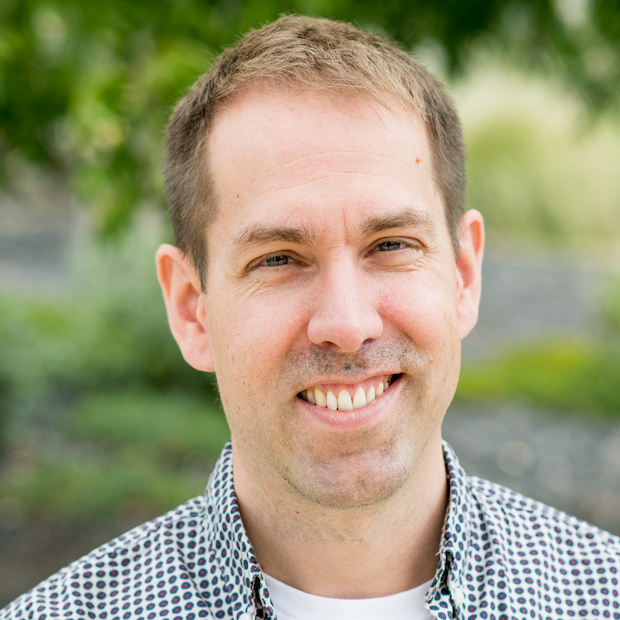
Antoine Snijders is the Division Leader of the Biosciences and Biotechnology (BBTD) Division in the Physical and Life Sciences Directorate. Antoine holds a Ph.D. in Cancer and Molecular Biology from Utrecht University and an M.S. in Biomedical Sciences from VU University Amsterdam (both in the Netherlands). After appointments as a Postgraduate Researcher and Postdoctoral Scholar at the Cancer Research Institute at the University of California, San Francisco, Antoine joined Lawrence Berkeley National Lab where he served as the Head of the Bioengineering and Biomedical Sciences Department. Antoine’s research focused on understanding the complex interactions among genetic background, environmental exposures, and the microbiome in determining disease risk.
Research Interests
My research goals are to understand cancer tumorigenesis specifically addressing key questions concerning the contribution of host genetics, environmental exposures and their interactions in cancer risk and tumor progression. My laboratory uses a systems biology approach, together with novel mouse models to identify genetic networks controlling susceptibility to cancer risk.
Precision medicine is an emerging approach for disease treatment and prevention that takes into account individual variability in environment, lifestyle and genes for each person. Genetic susceptibility is a major component that contributes to the variability in disease susceptibility. Thus, identifying the genes involved in susceptibility to cancer may have potential utility in developing novel personalized medicines, lead to greater understanding of the biological pathways involved in cancer development, and elucidate how environmental factors exert their effects in combination with genetic variants.
The broad and long-term goals of my laboratory are to identify how the interactions of combinations of genes and their functional polymorphisms and environmental exposures (including for example thirdhand smoke) contribute to disease susceptibility of individual human subjects. Major problems in assessing human cancer risk are that humans are genetically heterogeneous and exposures are pervasive and difficult to quantitate. Parallel exposures to multiple chemicals and lifestyle factors that can negatively impact health further confound efforts to assess risk.
Population-based mouse models offer many advantages for the study of the genetic basis of complex traits, including cancer, because of our ability to control both the genetic and environmental components of risk. My lab exploits the power of mouse genetics using Collaborative Cross (CC) mice, together with OMICS analyses to determine the influence of individual variations in disease susceptibility. This comprehensive systems biology approach will likely identify specific genes or pathways that are differentially controlled between mouse strains, and contribute to human variation in susceptibility to environment factor-induced carcinogenesis.
To learn more about thirdhand smoke, visit the Thirdhand Smoke Resource Center (www.thirdhandsmoke.org).
Recent Publications
No publications are available at this time.
Related News
A New Genetic Hallmark for Predicting Breast Cancer Outcomes
Biosciences researchers have used Collaborative Cross mice, a mouse model system designed to mimic the diversity of human populations, to identify a set of genetic factors that could help refine treatment approaches for a fast-growing form of breast cancer.
Biological Systems and Engineering Division Leadership Changes
Biological Systems and Engineering (BSE) Division Director Blake Simmons announced that following a search, Justin Heady has been named the BSE Deputy for Operations. There will also be changes in the leadership of the Bioengineering and Biomedical Sciences Department, effective August 12, 2024.
Infrared and AI Detect Low-dose Radiation Long After Exposure
Biosciences researchers have established a powerful new method that couples advanced infrared imaging techniques with statistical machine learning models to quickly and non-invasively determine with high accuracy whether an animal was exposed to radiation—even at extremely low doses almost three months post exposure.
Biography
Education & Training
PhD, Duke University, 1982
Research Interests
We focus on structural biology methods and applications for analysis and design projects that concern fundamental questions of molecular cell biology and biochemistry relevant to biological mechanisms and human disease.
DNA damage responses provide master keys to unlock oncogenic synthetic lethality and activate innate immunity for cancer biology and medicine going forward. Our research focuses on applying structural biochemistry and biophysics to molecular and cellular oncology and cancer biology for predictive molecular mechanisms and innovative strategies that target DNA damage responses in cancer. By solving and building upon >350 macromolecular structures, our group is developing and applying methods for integrating X-ray and cryo-EM data to build quantitative and foundational knowledge resulting in publications and patents aimed at advanced patient care.
Programs & Initiatives
Recent Publications
Related News
Time-Resolved SAXS Screen of Small-molecule Drug Candidates
A team of researchers developed a high-throughput drug-discovery workflow leveraging time-resolved small-angle X-ray scattering (SAXS) capabilities at the Advanced Light Source’s (ALS) Structurally Integrated Biology for the Life Sciences (SIBYLS) beamline to identify small molecules capable of activating biomolecular dynamics associated with a desired therapeutic outcome.
Enigmatic Protein Sculpts DNA to Repair Damage
Biosciences Area researchers and their collaborators have determined how a protein called XPG binds to and reshapes damaged DNA, illuminating its role in averting genetic disease and cancer.
Programming Proteins to Pair Perfectly
Bioscientists at the Advanced Light Source (ALS) at Berkeley Lab lent their expertise to a project led by scientists at the University of Washington to design proteins in the lab that zip together like DNA. The technique could enable the design of protein nanomachines to help diagnose and treat disease, allow for more precise engineering of cells, and perform a variety of other tasks.

Research Interests
My lab is interested in the general question of how signaling circuits generate complex cellular behaviors such as cell polarity, motility, growth, and differentiation. Because these processes have been difficult to understand with standard techniques, we are developing new approaches to isolate and quantitatively interrogate individual steps in the signaling cascade. We are particularly interested in four areas:
1. Understanding the self-organizing circuits that underlie cell polarity, directed migration, and morphogenesis.
2. Developing optogenetic tools to probe the spatial and temporal logic of signal transduction cascades.
3. Investigating how mechanotransduction integrates the local and global organization of migrating cells.
4. Probing how the three-dimensional structure of the eukaryotic genome regulates gene expression.
Recent Publications
Divisions
- Science Programs
Secondary Affiliation:
Environmental Genomics and Systems Biology
- Comparative and Functional Genomics
Recent Publications
Related News
Microbial Symbionts Mapped Using New AI Tools
A JGI-led team developed an AI tool called symclatron, capable of identifying the microbial genomic signatures for dependency.
University of Duisburg-Essen Delegation Explores Collaborative Opportunities with Lawrence Berkeley National Laboratory
Building on a Memorandum of Understanding signed between UDE and Berkeley Lab researchers, a kick-off meeting focused on future collaborations in the fields of genomics, structural biology, bioimaging, and water research.
JGI-Enabled Research Finds Flagella in the Terrestrial Roots of Marine Bacteria
Ancient Chloroflexotas ditched their flagella and other traits when migrating back to the ocean.

Recent Publications
Related News
Clues to How Space Radiation Induces Cognitive Damage
The documented mechanism for radiation-induced health risks like cancer has typically been damage to the DNA contained in the nucleus of cells. But a recent analysis suggests that radiation by certain light ions, which abound in outer space, instead disrupt a separate cellular structure, smaller than a cell nucleus or a synapse.
To Find Mutated Sperm, Go FISH
Chemotherapy and radiation treatments can be life-saving for patients with cancer, but they have harsh side effects that can been felt and seen throughout the body. There can also be unseen consequences: These important treatments can mutate DNA and damage chromosomes in patients’ cancerous and noncancerous cells alike. When this occurs in a germline cell (eggs in women and sperm in men), it can lead to serious fetal and birth defects in a resulting pregnancy. In a study published in PLOS One, a team led by Biological Systems and Engineering (BSE) Division senior scientist Andrew Wyrobek reported success adapting an established cellular DNA analysis technique called fluorescence in situ hybridization (FISH) to probe sperm DNA for a wide variety of chromosomal defects simultaneously.
BRAIN Neuro-Workshop Report Now Available
The report on the multi-institutional Neuro-Workshop held June 2, 2016 at Lawrence Berkeley National Laboratory (Berkeley Lab) is now available. The workshop was convened to discuss relevant technological capabilities for the national Brain Research through Advancing Innovative Neurotechnologies Initiative.

Research Interests
Natural and Artificial Photosynthetic water oxidation, and metalloenzymes – the structure and mechanism of the catalytic complexes studied by biophysical techniques – X-ray spectroscopy and electron paramagnetic resonance spectroscopy – the use of femtosecond X-ray laser facilities to study the time-evolution of the catalytic reactions – with the goal of applying the principles learned from Nature to create/study bio-inspired systems.
Recent Publications
Related News
Ultrabright, Ultrashort X-ray Bursts Capture Enzymes in Action
Frame-by-frame ‘molecular movies’ reveal previously invisible intermediates, paving the way for potential new cancer treatments and antibiotics.
Mapping Photosynthesis for a Brighter Future
In this Q&A, MBIB researchers Jan Kern and Asmit Bhowmick delve into the discoveries from their recent structural biology studies of the photosynthetic apparatus in plants and bacteria.
Atomic X-ray Laser Opens Door to Attosecond Imaging
A newly discovered X-ray laser approach is fast and powerful enough to capture details about the movement of electrons.
Research Interests
The Yildiz laboratory combines molecular biology and biophysical techniques to understand mechanisms that underlie the cellular organization and motility. Single molecule imaging enables direct observation of molecular motions, time courses of reactions and heterogeneity in subpopulations of the proteins. One major focus is to understand how microtubule motors work individually and how their interaction play a key role in intracellular transport and organismal motility. We are also using superresolution imaging techniques to visualize high order structures of telomeric DNA in human cells.
Current Projects
Dissecting the Molecular Mechanism of Dynein: Cytoplasmic dynein is a AAA motor that transports a variety of intracellular cargo towards the microtubule minus-end in eukaryotic cells. Compared to other cytoskeletal motors (kinesin and myosin), the mechanism of dynein motility is significantly less understood due to its large size and complexity. We showed that dynein motility differs significantly from kinesin and myosin in many aspects. By using single molecule high resolution tracking, FRET and optical trap microscopy, we are aiming to dissect the detailed mechanism of dynein processivity, directionality and force production. In addition, we introduce specific mutations in the motor domain and test the role of each subunit in dynein mechanism.
Single Molecule Studies on Intraflagellar Transport (IFT): We use Chlamydomonas model system to study the regulation of bidirectional cargo transport. Cilia and flagella power cell locomotion and mediate cell signaling in eukaryotes. Their assembly and maintenance require IFT between the flagellar membrane and axonemes. By using a combination of optical trap, multicolor fluorescence and FRAP microscopy, we showed that kinesin and dynein motors are coordinated in IFT such that only one type of motor remains active at a time. Chlamydomonas IFT is an excellent model system to study how motor protein activity is reciprocally coordinated to avoid tug-of-war in cargo transport. We aim to perform advanced microscopy assays in flagellar turnaround zones and reveal by which mechanism the cell turns the motors on and off. We also showed that IFT is responsible for gliding of the entire cell over a glass substrate. Gliding motility is central to understanding the function and evolution of cilia, as it might exist in early cilia before the establishment of axonemal beating. We aim to study how IFT dynamically turns over flagellar membrane proteins and facilitates mating between opposite gamete types. These studies will have broad implications for the traffic of signaling proteins within the ciliary membrane.
Maintenance and Protection of Mammalian Telomeres: Human telomeres consist of 2,000-30,000 base pairs of double-stranded TTAGGG repeats and terminate with a 50-200 nucleotide (nt) long single stranded 3’ G-overhang. The single-stranded telomeric DNA (ssTEL) is prone to enzymatic attack by exonucleases and DNA repair. We investigate how shelterin facilitates the protection of human telomeres both in vitro and in vivo. G-overhangs spontaneously fold into G-quadruplexes which also affect the competition between shelterin components and DNA repair proteins. We are also developing a single molecule assay to monitor telomerase activity in real time and study the interactions between shelterin, DNA structure and telomerase activity in model telomeric DNA. Telomere biology is central to human aging and cancer, and dissecting the mechanism of telomere protection and telomerase-based telomere elongation at a single molecule level will significantly advance the field.
Recent Publications
Related News
Ahmet Yildiz Awarded Vilcek Prize
The Vilcek Foundation is honoring Ahmet Yildiz, faculty scientist in Molecular Biophysics and Integrated Bioimaging, who has demonstrated evidence of creative promise with his scientific work in the United States. Yildiz uses single molecule imaging to uncover the mechanism of molecular motors that function in living cells. As a winner of the Vilcek Prize for Creative Promise in Biomedical Science, Yildiz will receive a $50,000 cash award. “The Vilcek Prizes for Creative Promise were established in 2009 as a complement to the Vilcek Prizes, to encourage and support young immigrants who have already demonstrated exceptional achievements, and who often face significant challenges early in their careers,” the Foundation’s website reads. Yildiz’s story, including his unexpected journey from his native Turkey to the United States, his introduction to the American research culture, and his work across disciplines (critical in creating environments where scientific breakthroughs could more easily occur, he says), are highlighted in this ASCB member news post by Mary Spiro. The award was also announced in Physics@Berkeley.

Divisions
- Science Programs
Secondary Affiliations:
Environmental Genomics and Systems Biology
- Molecular EcoSystems Biology
Biological Systems and Engineering
- Biodesign
Recent Publications
Related News
SynOMICS Offers Safer, More Powerful Synthetic Organisms
Genome-building with this new method reveals hidden rules of the genetic code and opens doors to virus-proof, industrially useful bacteria.
An Enzyme System To Help Catalyze Bioproduction of Plastic
The JGI's DNA Synthesis program helped characterize a bacterial methylthio-alkane reductase system that produces hydrocarbons. This could open avenues for using bacteria to produce ethylene and more.
A Cost-Efficient Pathway to Produce Hydroxyapatite
Researchers have used biology to convert human urine into a valuable product.


