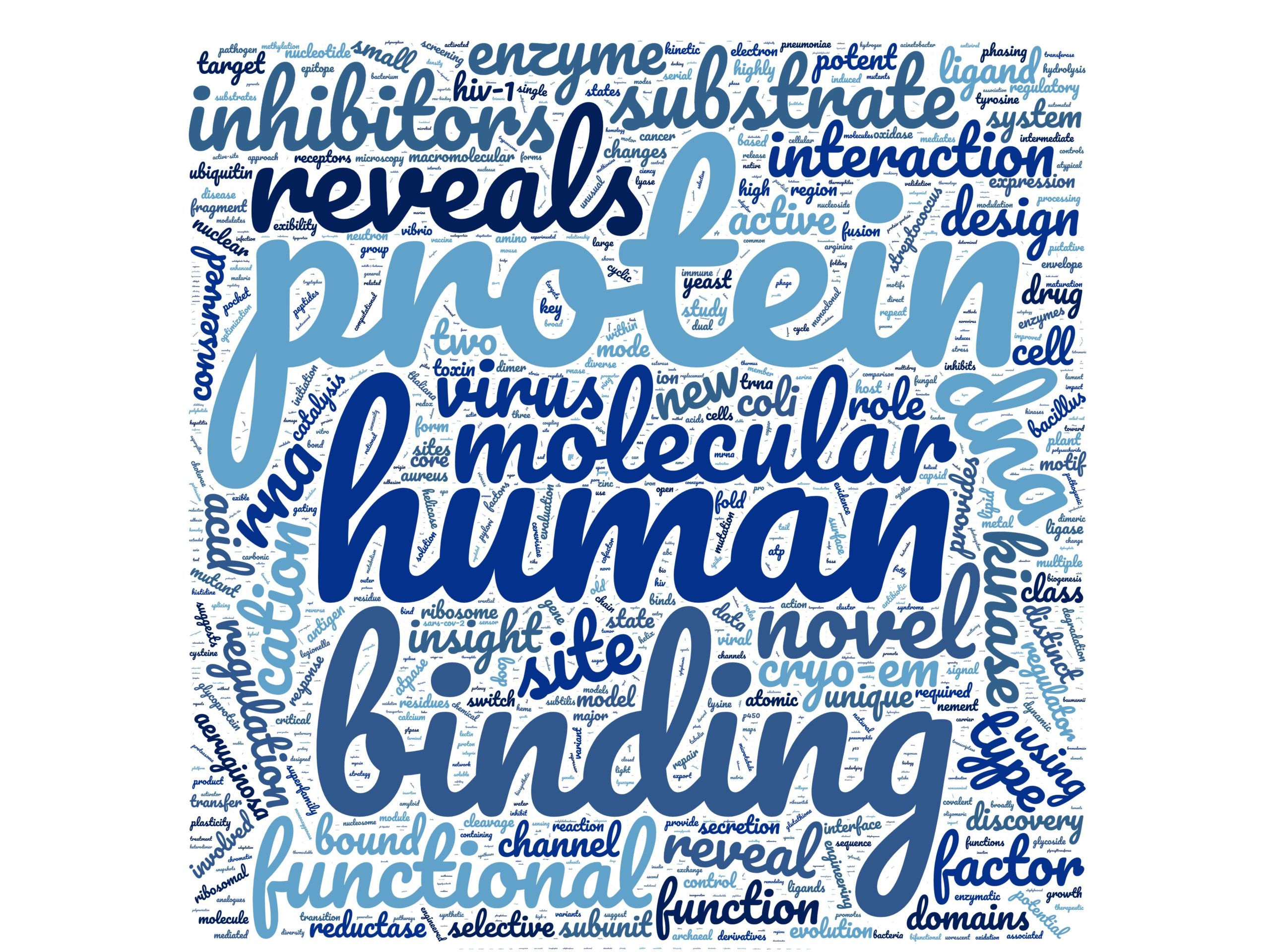
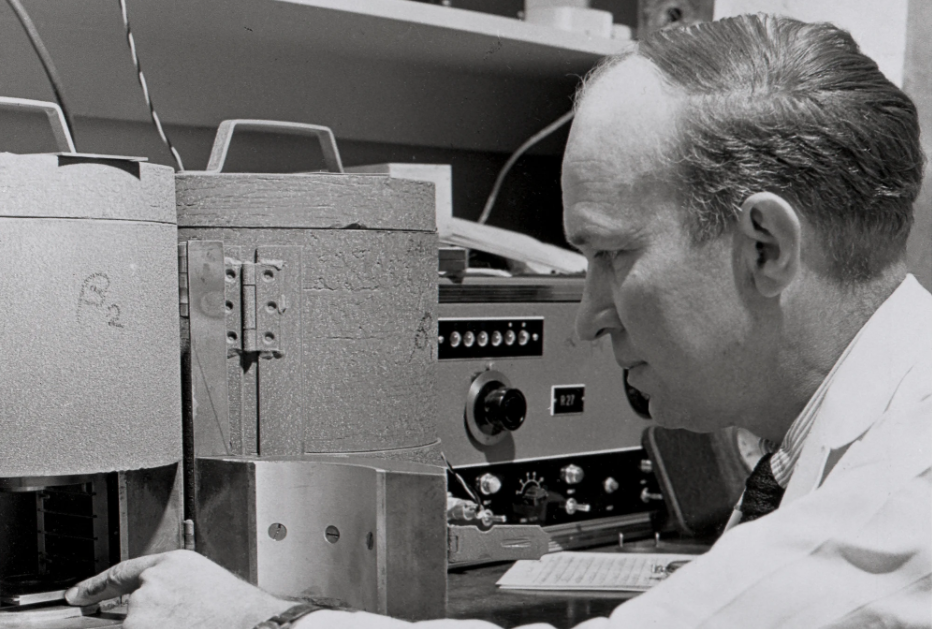
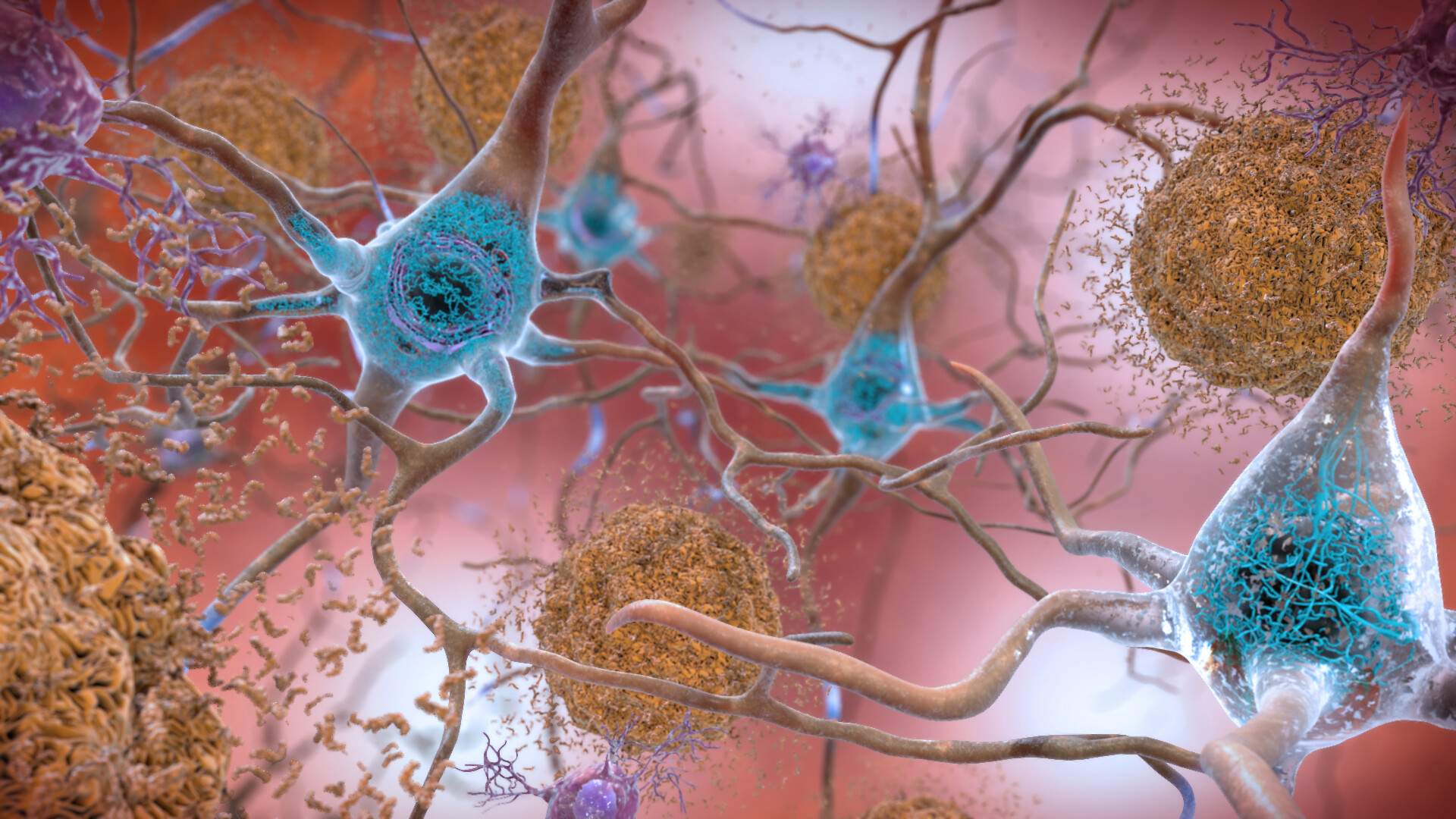
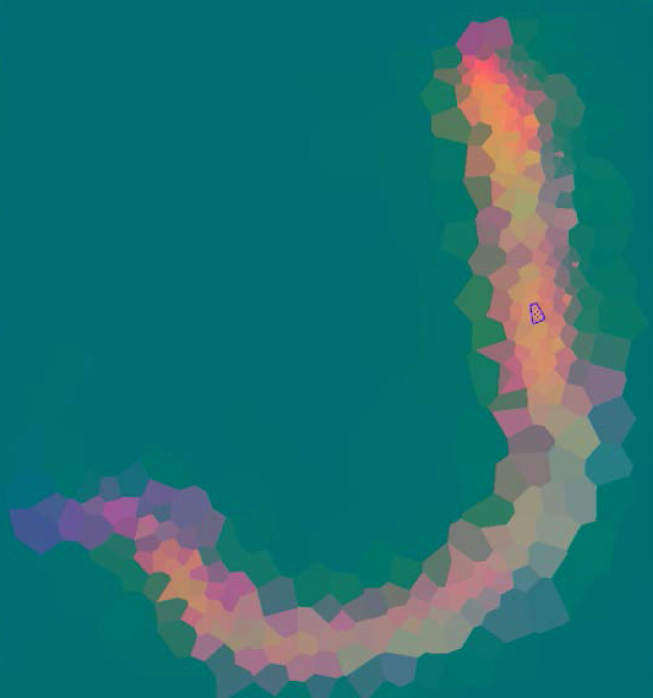
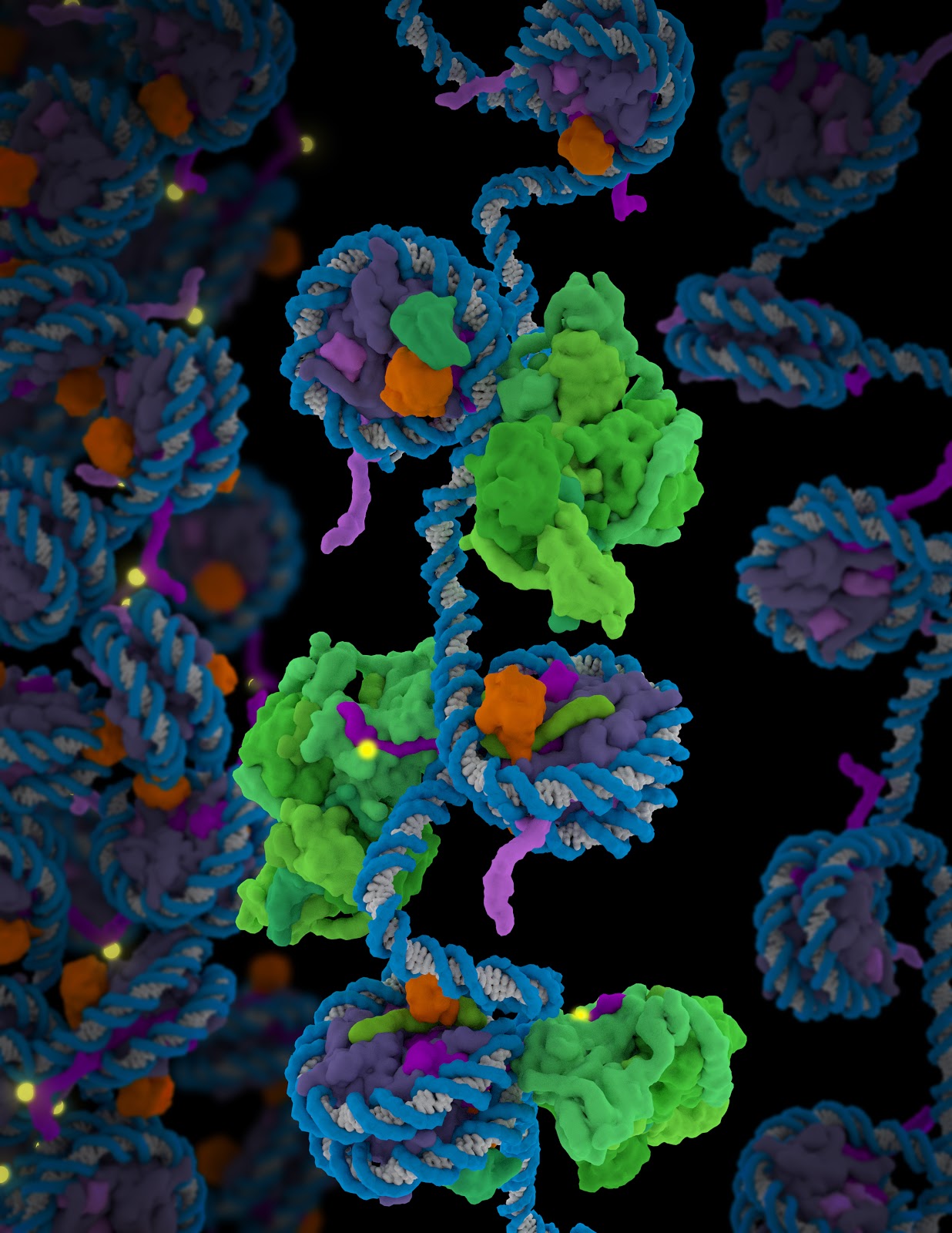
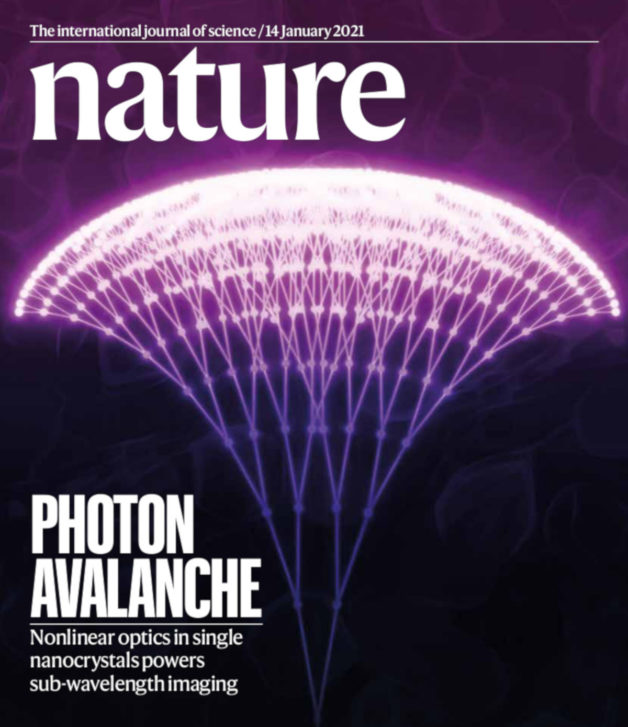
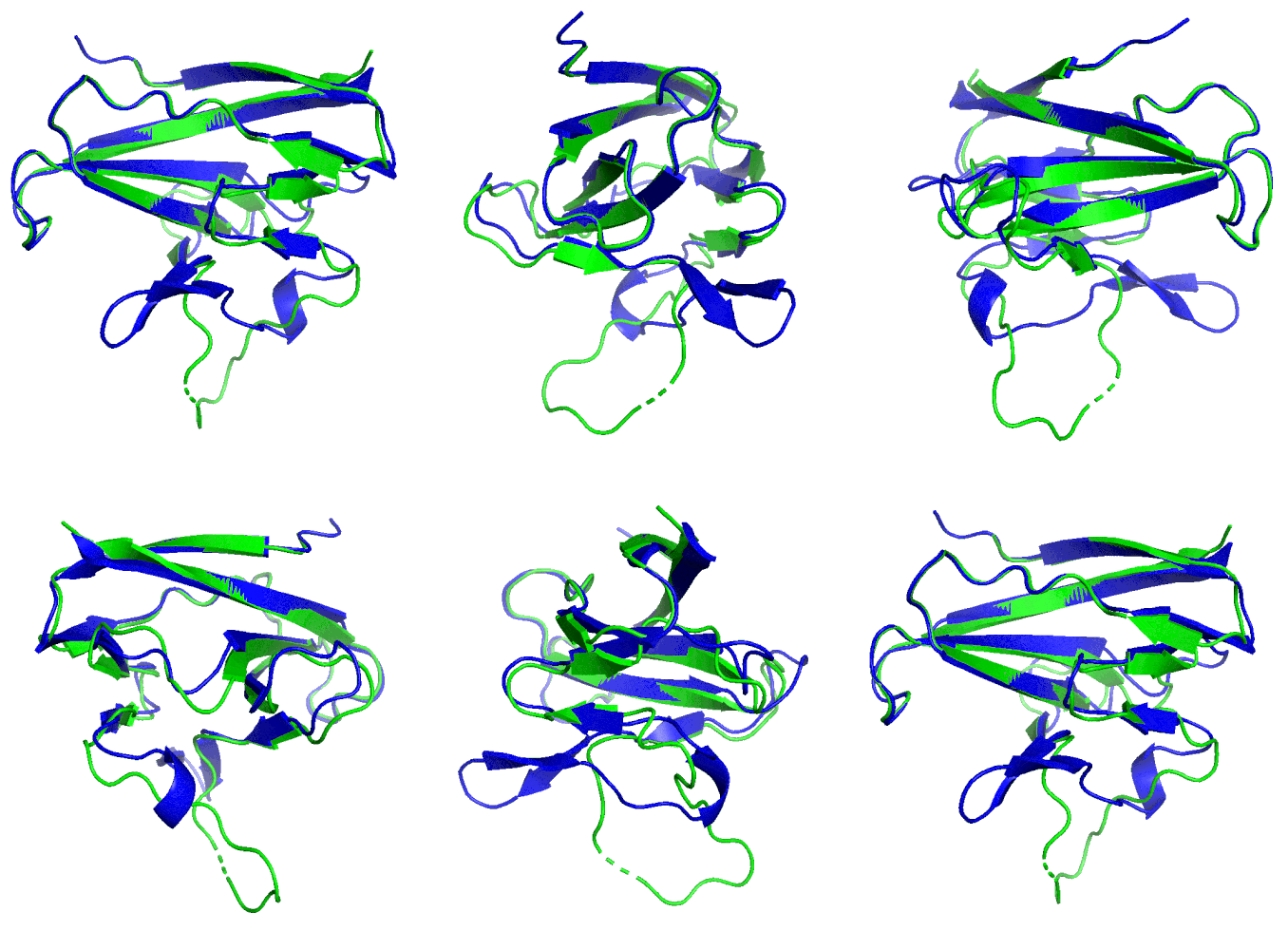
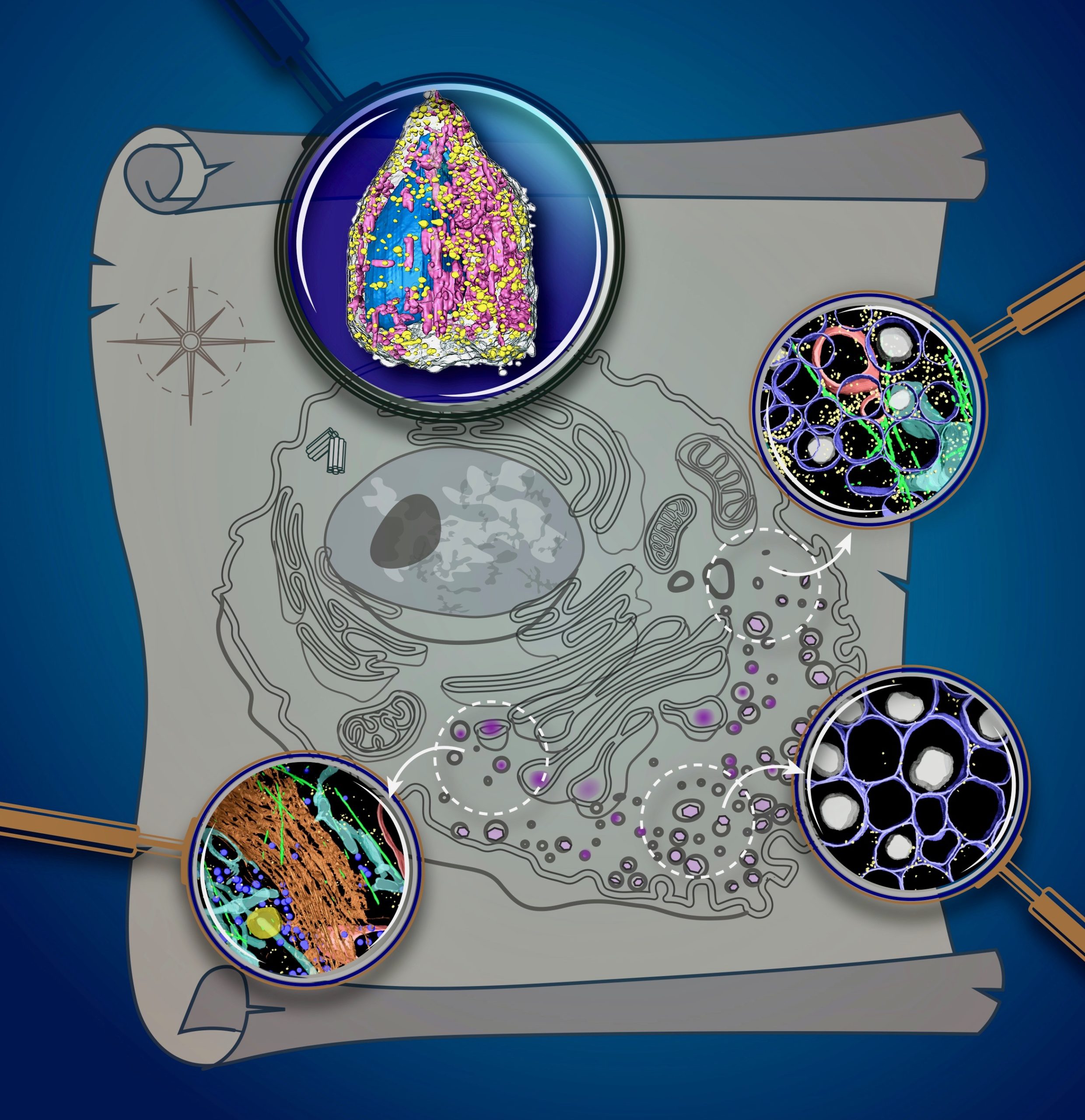
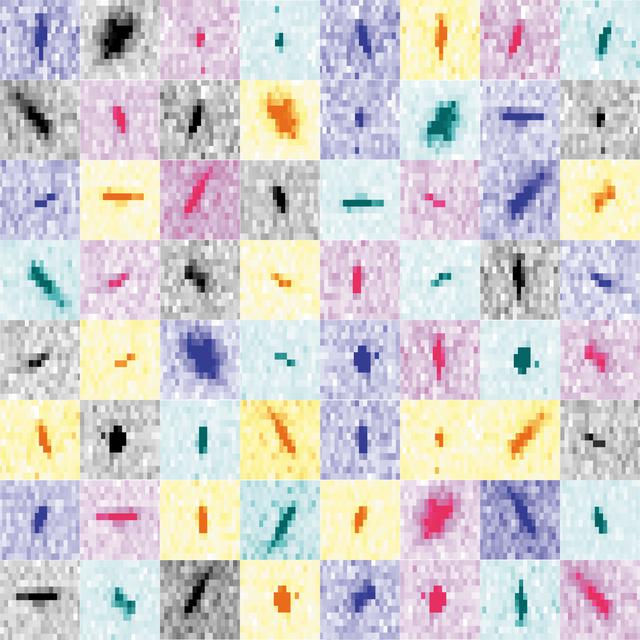
Phenix software word cloud John Lawrence, Lab founder Ernest Lawrence's younger brother, carried out the first successful treatment of human disease with radioisotopes. This illustration shows the two main forms of disruptive protein clumps found in the brains of people with Alzheimer’s disease: beta-amyloid plaques (seen in brown) that collect between neurons and disrupt cell function, and tau protein tangles (seen in blue) that build up within neurons, harming synaptic activity. (Credit: National Institute on Aging, NIH) Example of a C. elegans roundworm image, showing the non-grid-based tiling pattern that gives the algorithm greater flexibility to zero in on areas of interest. Sorghum Molecular model showing polycomb repressive complex 2 (PRC2) in green interacting with nucleosomes: histone H3 tail shown in purple, methylation site in yellow and ubiquitin in orange. (Credit: Janet Iwasa, University of Utah) An amazing new material called an avalanching nanoparticle, which was co-developed by researchers in Berkeley Lab’s Molecular Foundry, is featured in a cover story of the Jan. 14 edition of the world-renowned scientific journal Nature. A ribbon diagram rendering of the ORF8 structure predicted by AlphaFold 2 (blue), overlaid onto the actual structure (green) determined by the UC Berkeley-led team. (Credit: DeepMind) Soft X-ray tomography provides a map of organelles within an intact cell. (Credit: Katya Kadyshevskaya/USC) Collage of partial Bragg spots recorded during experiments at the XFEL. For each pixel in the `shoe-box' of a given Bragg spot, diffBragg applies precise modelling of the various parameters affecting their shape and intensity.

Was this page useful?

Send
like not like