
The projects of 31 Biosciences Area scientists and engineers received funding through the FY26 Laboratory Directed Research and Development (LDRD) program.
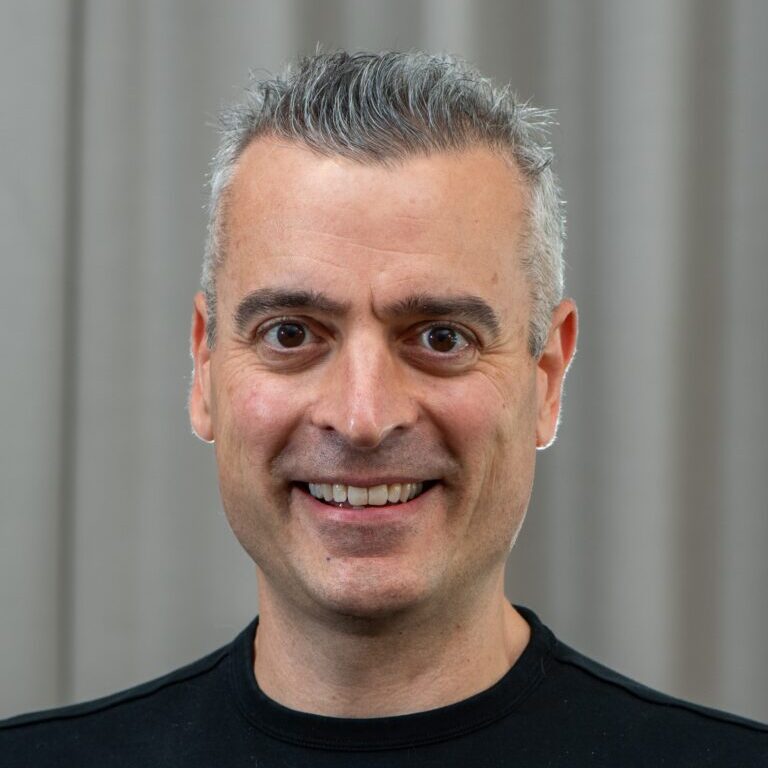

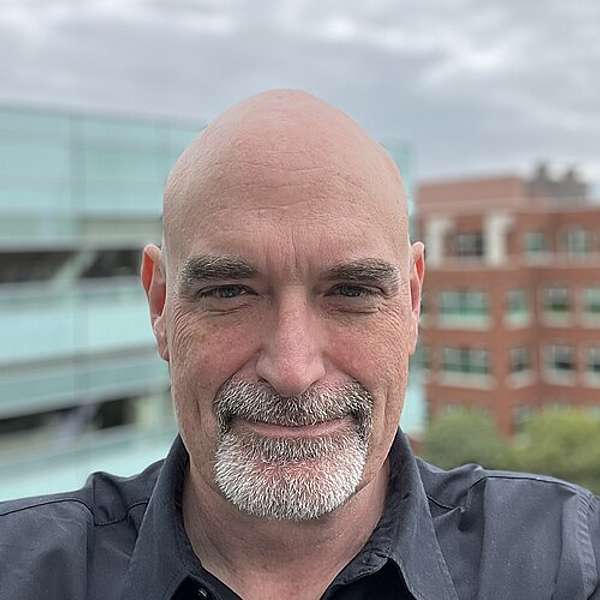
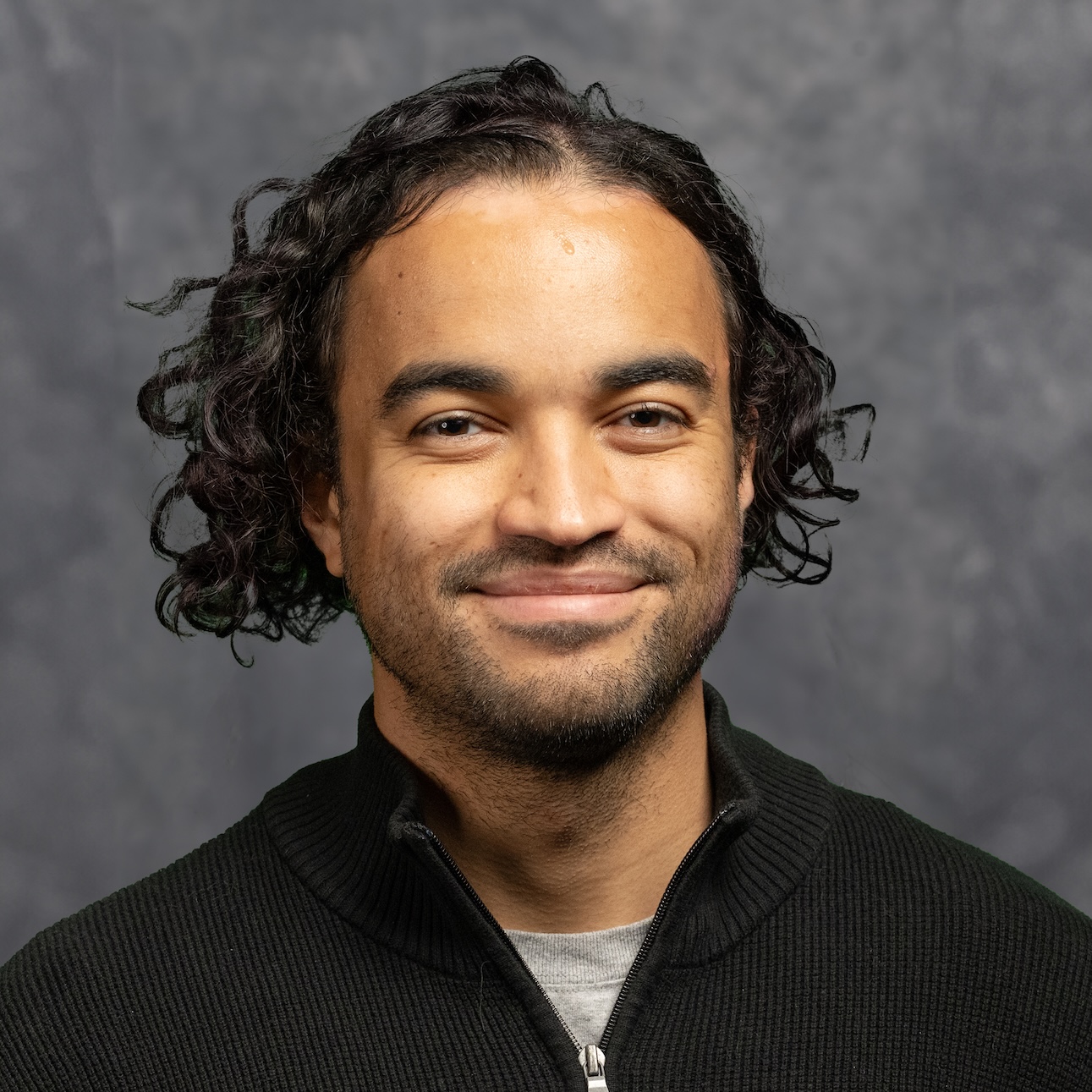


From Biological Systems and Engineering (BSE), senior scientist Nathan Hillson and Susan Tsutakawa, Structural Biology department head in Molecular Biophysics and Integrated Bioimaging (MBIB), received funding to build an antibody developability resource at Berkeley Lab. Research scientist Zachary Jones was funded via the Early Career track to adapt fluorescent proteins for intracellular quantum sensing. Division Director Blake Simmons and research scientist Manasa Gadde received funding to devise a model system for understanding the role of comorbidities in the way respiratory infections manifest. Staff scientist Ning Sun and senior scientific engineering associate Chang Dou were funded to pursue biological recovery of rare-earth elements.
In addition, Simmons and Energy Science Area senior faculty scientist Peidong Yang received funding for an ongoing project to harness the abiotic-biotic biohybrid interface to convert carbon dioxide to biofuels and bioproducts.


From Environmental Genomics and Systems Biology (EGSB), research scientist Peter Andeer received funding to lay the foundation for developing an autonomous system (“S-Lab”) to rapidly design, build, and test artificial soils for ecosystem fabrication goals. In addition, Mitchell Thompson, a research scientist, was funded via the Early Career track to tailor Agrobacterium-mediated transformation to unlock the fungal “black box.”
Research scientist Dawn Chiniquy, software developer Marcin Joachimiak, research scientist Momoe Kato, and research scientist Kateryna Zhalnina had ongoing projects funded. Chiniquy is engineering methanotrophs to reduce methane emissions. Joachimiak is working with Comparative and Functional Genomics department head Adam Deutschbauer to create a computational framework to support automated high-throughput microbial culturing and growth assays. Kato is developing next-generation mouse genome editing capabilities for human genetics and low-dose radiation research. And Zhalnina is augmenting the EcoPOD’s capabilities with tools to monitor and mitigate greenhouse gasses in the rhizosphere.


From the Joint Genome Institute (JGI), staff data scientist Tomas Bruna received funding to apply genomic language models to advance plant science. Senior scientist John Vogel was funded to expand the plant transformation toolbox.
In addition, Vogel and staff scientist Rex Malmstrom had ongoing projects funded. Vogel is identifying and validating conserved regulatory sequences in grasses. Malmstrom and research scientist Maureen Berg are harnessing semi-permeable capsule technology to interrogate microbial systems.



From MBIB, staff scientist Kanupriya Pande and research scientist Dorothee Liebschner were funded to advance a deep learning–based framework for automated atomic model building from cryo-EM images.
Cellular and Tissue Imaging department head Suzanne Baker, staff scientist Aaron Brewster, and senior scientist Nicholas Sauter received funding for ongoing projects. Baker is applying advanced imaging techniques to analyze dementia as a function of age. Brewster is collaborating with Bioenergetics department head Jan Kern to enable self-driving serial crystallography at Berkeley Lab. And Sauter is working alongside staff scientist Peter Zwart to use diverse experimental data to improve protein conformational ensemble prediction.

Biosciences Area staff are also collaborating on projects led by other Areas at the Lab. JGI staff scientist Simon Roux will work with Applied Mathematics and Computational Research computer systems engineer Steven Hofmyer on a novel AI framework for deep models of evolution in time. Molecular Foundry staff scientist Crysten Blaby-Haas, who has a joint appointment with JGI, is leading a project on machine learning–supported discovery and design of adhesive polymers for self-assembling engineered living materials consortia in partnership with JGI’s Malmstrom. Jamie Inman, a research scientist in BSE, will develop a platform for understanding the radiobiology of very high energy laser–driven electrons alongside Molecular Foundry staff scientist and MBIB secondary affiliate Corie Ralston. Climate and Ecosystem Science senior scientist and EGSB secondary affiliate Romy Chakraborty was funded for machine learning–enabled novel discovery for degrading PFAS—so-called “forever chemicals.” And Scientific Data Division staff scientist and BSE secondary affiliate Kristofer Bouchard will collaborate with Steven Ferrell of NERSC on a multimodal AI foundation model for macromolecules for automatic enhancement of function.


