
Jonelle Tamara Basso
Biologist Research Scientist

Divisions
- Science Programs
Secondary Affiliation:
Environmental Genomics and Systems Biology
- Comparative and Functional Genomics
Research Interests
The plant microbiome includes beneficial microbiota that provide the plant host protection from pathogens, increased nutrient availability and resilience against abiotic stress. Prior investigations of plant microbiomes have mainly focused on bacteria and fungi while largely ignoring viruses, the most abundant biological entities on the planet. In consequence, the prevalence and function of phages (viruses infecting bacteria) in the plant microbiome remain poorly understood. At the DOE Joint Genome Institute, my research broadly focuses on plant-microbial interactions. Specifically, I am currently investigating the quantitative impact of phage genes on root colonization and the molecular underpinnings of a presumptive plant-bacterial-phage interaction.
Recent Publications
Related News
Congratulations to Biosciences Area Director’s Award Recipients
Each year, the Berkeley Lab Director’s Achievement Award program recognizes outstanding contributions by employees to all aspects of Lab activities. Several Biosciences Area personnel are among the 2025 honorees.
Biosciences Area FY24 LDRD Projects
The projects of 21 Biosciences Area scientists and engineers received funding through the FY24 Laboratory Directed Research and Development (LDRD) program.
Research Interests
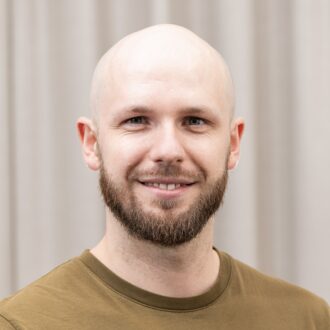
Vlastimil Novak is a Research Scientist in the Environmental Genomics and Systems Biology Division at Lawrence Berkeley National Laboratory, where he works in the laboratory of Dr. Trent Northen. He earned his Bachelor’s degree in Plant Biotechnology at Mendel University in the Czech Republic. He completed both his Master’s degree in Biotechnology and his Ph.D. at the University of Copenhagen in Denmark. His Master’s research focused on identifying transporters of plant specialized metabolites, while his doctoral work examined nutrient cycling in agroecosystems using stable isotope mass spectrometry.
His experimental work focuses on studies of plant–microbe interactions, specifically examining how nutrient availability and root exudation influence the dynamics of bacteria, fungi, and phages in the rhizosphere. His research integrates metabolomics and stable isotope tracing with fabricated ecosystem platforms, such as EcoFAB devices, to enable controlled, mechanistic studies of plant–soil–microbe interactions. He also develops and standardizes protocols for these systems, contributing to improved reproducibility in microbiome research.
Recent Publications
Related News
EcoFABs Could Help Fuel AI in Agriculture
A first-of-its-kind global study showed that EcoFABs can deliver consistent results across labs on three continents, supported by open protocols, tools, and datasets. The reliable, large-scale data EcoFABs generate are ideal for training AI, which could help accelerate discoveries in crop development, soil health, and agriculture.
EcoFAB: A Tool for Combating Climate Change and Training the Next Generation
Fabricated ecosystems—EcoFABs—are plastic, takeout box–sized growth chambers developed at Berkeley Lab to be a standardized and reproducible platform for conducting experiments on model plants and the microbes that live around their roots. A greater understanding of how plants and microbes work together to store vast amounts of atmospheric carbon in the soil will help in the design of better bioenergy crops for the fight against climate change.

Divisions
- Genomic Technologies
Secondary Affiliation:
Environmental Genomics and Systems Biology
- Comparative and Functional Genomics
Recent Publications
Divisions
- Science Programs
Secondary Affiliation:
Environmental Genomics and Systems Biology
- Comparative and Functional Genomics
Recent Publications
Related News
JGI-Enabled Research Finds Flagella in the Terrestrial Roots of Marine Bacteria
Ancient Chloroflexotas ditched their flagella and other traits when migrating back to the ocean.
Building: 91, Room 0460B5
Mail Stop: 91R0183
Phone: (510) 495-8559
fschulz@lbl.gov
https://jgi.doe.gov/who-we-are/frederik-schulz
https://github.com/NeLLi-team
Links
Divisions
- Science Programs
Secondary Affiliation:
Environmental Genomics and Systems Biology
- Comparative and Functional Genomics
Biography
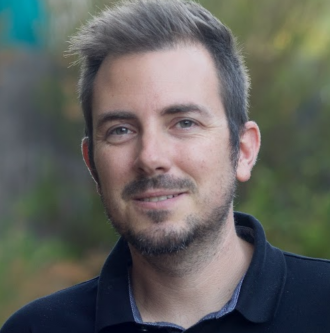
Frederik Schulz joined the DOE Joint Genome Institute in 2016 and is leading the New Lineages of Life Group. His research is focussed on the discovery of novel bacterial, archaeal and eukaryotic microbes and viruses in environmental sequence data. Schulz employs multi-omics (metagenomics, metatranscriptomics, single cell genomics and phylogenomics) and machine learning to find novel functions that may impact microbiome structure and biogeochemical cycles. He provides his expertise to the JGI user community and supports various user projects in the Microbial Program. In an LDRD-funded project, Schulz established a single-cell-based discovery pipeline and enrichment metagenomics for terrestrial protists. These approaches enable novel insights into the diversity and important ecological roles of microeukaryotes in terrestrial ecosystems. Additionally, Schulz is leading a DTRA-funded program on agnostic pathogen detection and surveillance in complex samples.
Research Interests
-
Microbial symbiosis
Giant viruses and other eukaryotic viruses
Protists
Pathogen agnostic detection
Strain-resolved sequencing
Programs & Initiatives
Recent Publications
Related News
Microbial Symbionts Mapped Using New AI Tools
A JGI-led team developed an AI tool called symclatron, capable of identifying the microbial genomic signatures for dependency.
Congratulations to Biosciences Area Director’s Award Recipients
Several Biosciences Area personnel are among the 2024 recipients of Berkeley Lab Director’s Achievement Awards. The program recognizes outstanding contributions by employees to all aspects of Lab activities.
A Tool to Find Nomadic Genes that Help Microbes Adapt
Researchers at the JGI develop a tool to quickly and accurately identify mobile genetic elements like plasmids and viruses.

Recent Publications

Building: 091, Room 0460B4
Mail Stop: 91R0183
Phone: (510)495-8558
rmbowers@lbl.gov
https://jgi.doe.gov/who-we-are/program-platform-leads/groups/single-cell-research
Divisions
- Science Programs
Secondary Affiliation:
Environmental Genomics and Systems Biology
- Molecular EcoSystems Biology
Research Interests
Bob uses single-cell genomics and metagenomics to explore how microbes influence people and the environment. This includes studying the diversity, physiology and community ecology of microbes sampled from the natural environment.
Recent Publications
Related News
Secrets of the Needles: What Microbes Do on Conifer Leaves
Novel study looks at microbiomes in aerial surfaces of plants, and their roles in plant health and environmental processes.
Onsite PhD Student Visit Amps Up Collaborative Spirit
Biosciences Area staff recently welcomed 40 PhD students from Wageningen University in the Netherlands. Over two days, they hosted the contingent at Emery Station East (ESE) and the Integrative Genomics Building (IGB).
JGI Demonstrates the Power of One, Amplified
A preview of how large-scale single cell genomics complements metagenomics studies.
Divisions
Chemical Sciences
Secondary Affiliation:
Molecular Biophysics and Integrated Bioimaging
- Bioenergetics
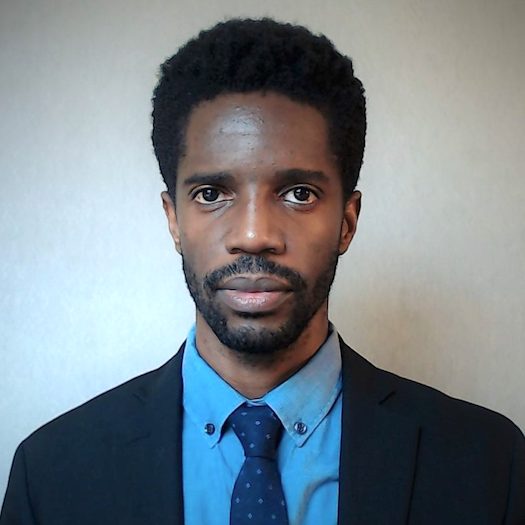
Biography
B.A., Molecular Cell Biology, UC Berkeley, 2009
Ph.D., Chemistry, Caltech, 2014
Postdoctoral researcher, LBNL, 2014-2017 – f-element photospectroscopy
Research Interests
Fundamental & applied dark electrochemistry/photoelectrochemistry
Photophysics of lanthanide downconversion & spectral shifting
Algorithms for Tafel fitting
Inorganic emulation of biophysical systems/processes
Biochemical systems for atmospheric CO2 capture
Programs & Initiatives
Recent Publications
Related News
Biosciences Area FY23 LDRD Projects
22 Biosciences Area scientists and engineers were awarded funding for their projects through the FY23 Laboratory Directed Research and Development (LDRD) program.
Using Bacteria to Accelerate Carbon Dioxide Capture in Oceans
Peter Agbo, a staff scientist in the Chemical Sciences Division, with a secondary appointment in the Molecular Biophysics and Integrated Bioimaging (MBIB) Division, has proposed a novel method for direct ocean capture of carbon using microbes. Removing CO2 from the oceans will enable them to continue to do their job of absorbing excess CO2 from the atmosphere.

Divisions
- Genomic Technologies
Secondary Affiliation:
Environmental Genomics and Systems Biology
- Biosystems Data Science
Research Interests
My research interests center on systems biology and population genetics, and developing frameworks to draw insight from large-scale ‘omics data. I’m especially interested in using computational tools to understand how communities of all kinds–from collections of functionally specialized plant cells, to co-occurring sets of diverse microbial species, to genotypically heterogenous fruitfly populations–come together as a functional whole, and adapt to changing environments. Currently, my focus is on analyzing data from single cell technologies to profile individual community members, and integrating multi-omic data types to explore community function.
Recent Publications
Related News
Congratulations to Biosciences Area Director’s Award Recipients
Seventeen Biosciences staff members were honored, both individually and as part of a team, in seven different award categories.
JGI, JBEI Partner on Successful RENEW Proposals
The Joint BioEnergy Institute (JBEI) and Joint Genome Institute (JGI) are part of three DOE-funded initiatives under the RENEW program, which supports internships, training, and mentoring to foster diverse talent in the energy workforce.
Building: 91, Room 210
Mail Stop: 91R0183
hualanliu@lbl.gov
https://jgi.doe.gov/who-we-are/program-platform-leads/groups/strain-engineering
Links
Divisions
- Genomic Technologies
Secondary Affiliation:
Environmental Genomics and Systems Biology
- Molecular EcoSystems Biology
Research Interests
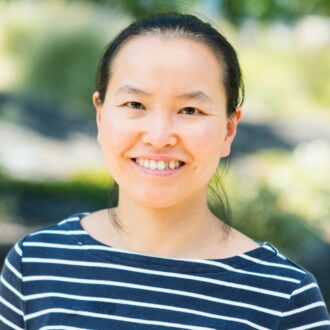
I work in the field of microbiology and synthetic biology, with a focus on technology development to facilitate strain engineering and microbial functional genomics studies. My background was in molecular genetics, and I use both traditional genetics approaches, and also cutting edge CRISPR-Cas9, Cre-lox recombineering techniques, to genetically engineer microbes from single gene to whole genome levels, in both aerobic and anaerobic organisms. I am passionate about how we could engineering microbes for useful outcomes, especially for new intervention in the prevention and treatment of environmental problems, and human health.
Recent Publications
Related News
Hualan Liu, Microbe Modifier
Liu, a research scientist with the Joint Genome Institute (JGI)’s strain engineering platform, believes in solving real-world problems with synthetic biology. Liu is an expert at manipulating microbial DNA to carry out new functions and helping JGI's user community answer experimental questions.
Research Interests
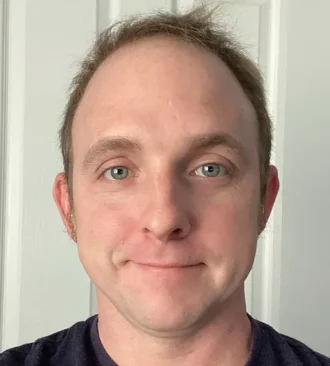
Exploration of Earth’s microbial and viral diversity is a major scientific frontier. Sequencing DNA – the blueprint of life – collected directly from the environment provides a powerful way to access the uncatalogued microbial diversity on our planet. These uncharacterized lifeforms are ripe with novel functions, metabolisms, the potential for biotechnological and medical applications, and will inform us on the evolution of all life.
My previous work has explored the nature and extent of microbial life underground and below the seafloor using tools rooted in molecular biology, biogeochemistry, and microbiology. Now I am working to explore novel microbial diversity in additional environments through the leveraging of ultra-powerful computational resources and true access to massive genome databases (i.e. big data).
Recent Publications
No publications are available at this time.
Building: 978, Room 3205
Mail Stop: 978-3200
pengduliu@lbl.gov
https://abpdu.lbl.gov/people/dupeng-liu/
Research Interests
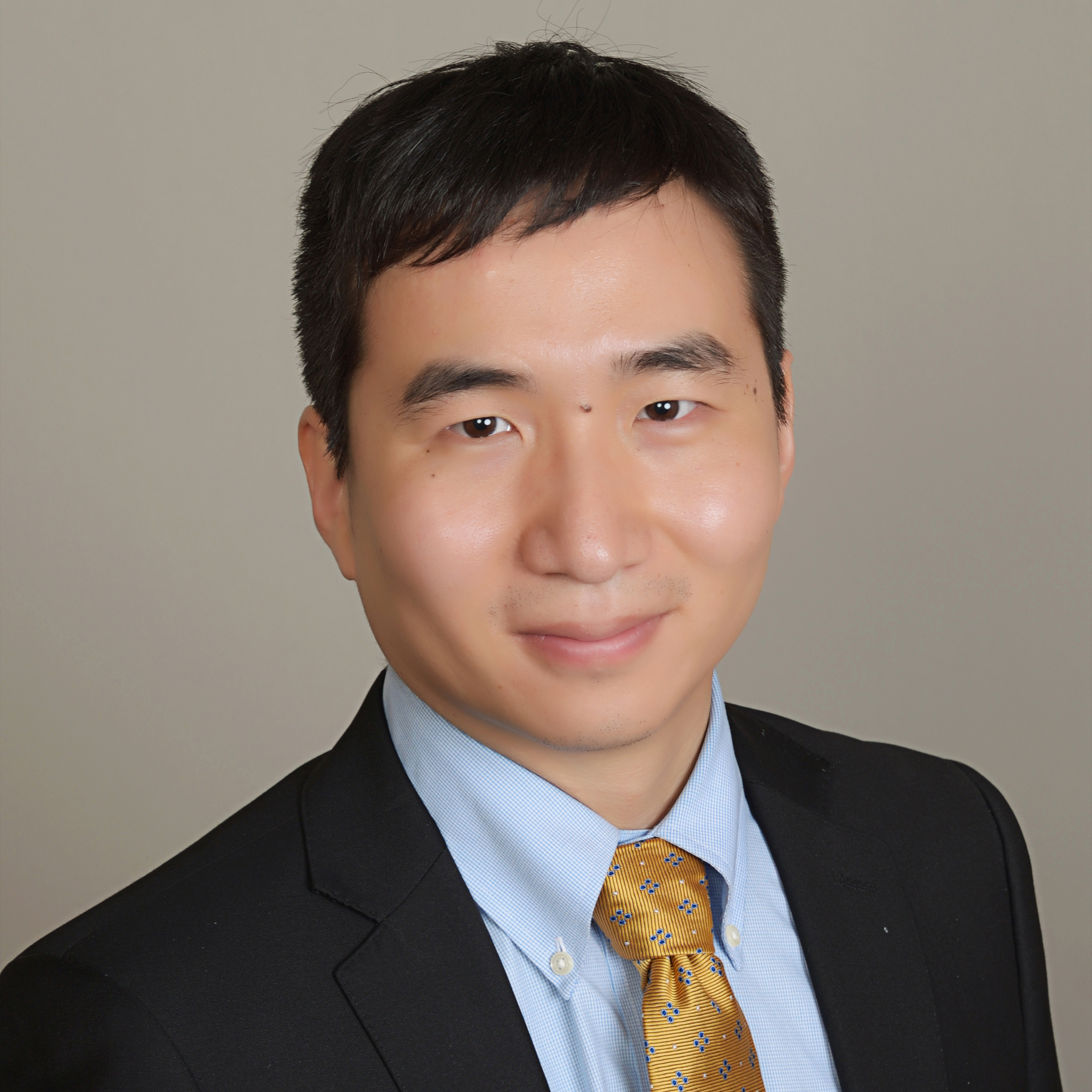
Dr. Liu’s research is dedicated to the use of cutting-edge technologies for the production of renewable fuels and chemicals. His research interests are in catalysis, reaction engineering and process design. In particular, his research harnesses the unconventional solvents, such as supercritical fluids and gas-expanded liquids, as well as advanced membrane technology, e.g., nano filtration to develop resource-efficient process with reduced environmental footprint. At the ABPDU, he plans, leads, and executes process development and piloting related projects in collaboration with R&D sponsors.
Recent Publications
No publications are available at this time.
Related News
Biosciences Area Researchers Place at Berkeley Lab Pitch Competition
ABPDU's Asun Oka and Dupeng Liu placed second and third at the event co-hosted by the Lab’s Intellectual Property Office (IPO) and UC Berkeley’s Haas Business School.
Multi-lab Separations Consortium Aims to Decarbonize Biofuels
The Bioprocessing Separations Consortium, originally established in 2016 by the U.S. Department of Energy’s (DOE) Bioenergy Technologies Office (BETO) and led by Argonne National Laboratory, recently received a three year funding renewal to continue advancing separations technologies critical to converting biomass to low-carbon biofuel. The Biosciences Area’s Advanced Biofuels and Bioproducts Process Development Unit (ABPDU) represents Berkeley Lab as a partner in the consortium.


