
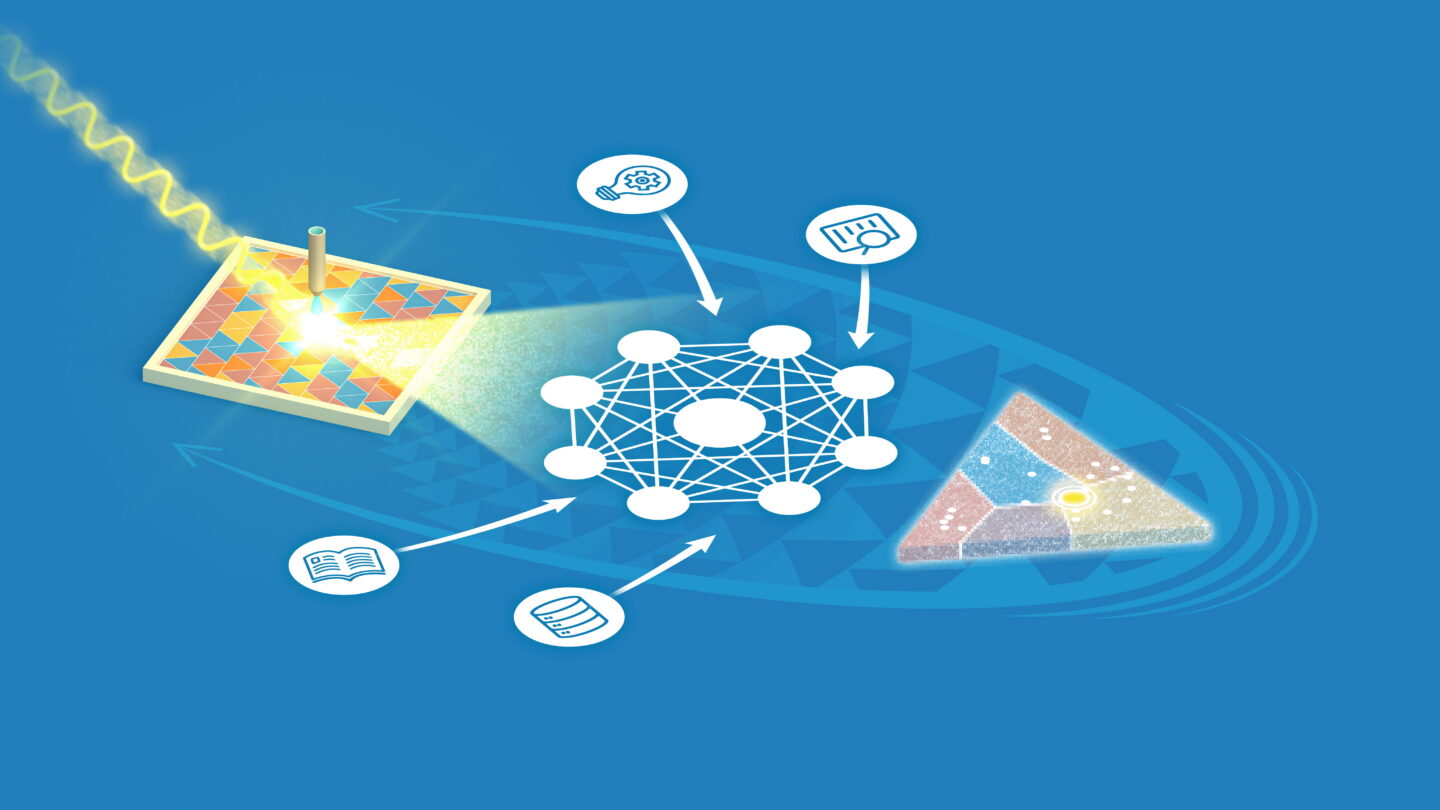
Seven Biosciences partner-led collaborations have been chosen for funding as part of the Department of Energy (DOE) Genesis Mission. The DOE Genesis Mission is an initiative towards accelerating scientific discoveries through Artificial Intelligence (AI)-enabled workflows and collaboration.

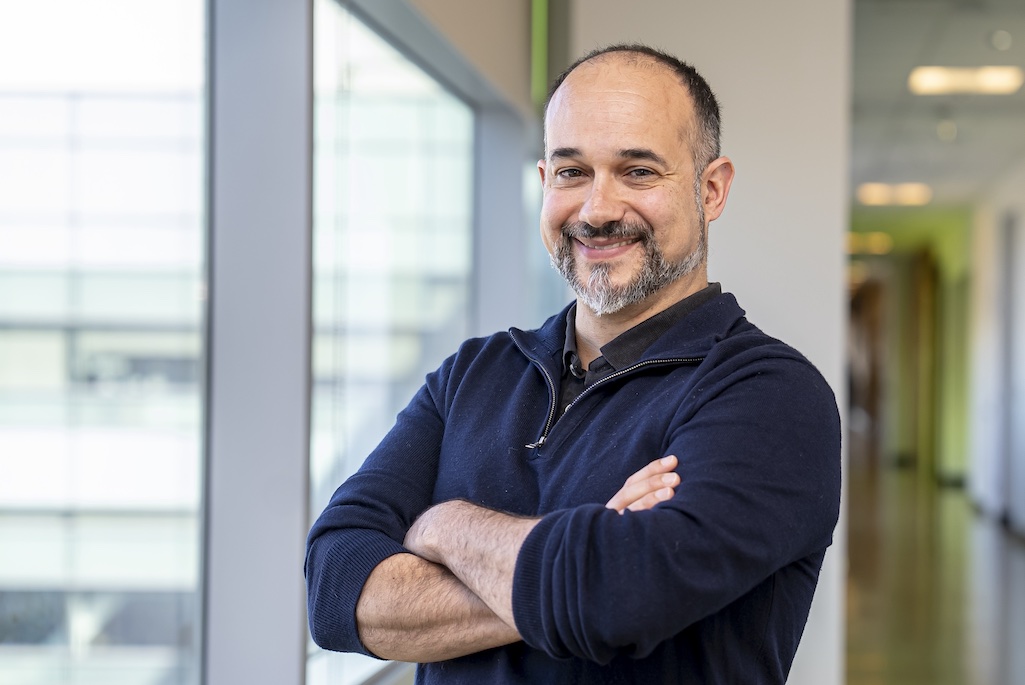
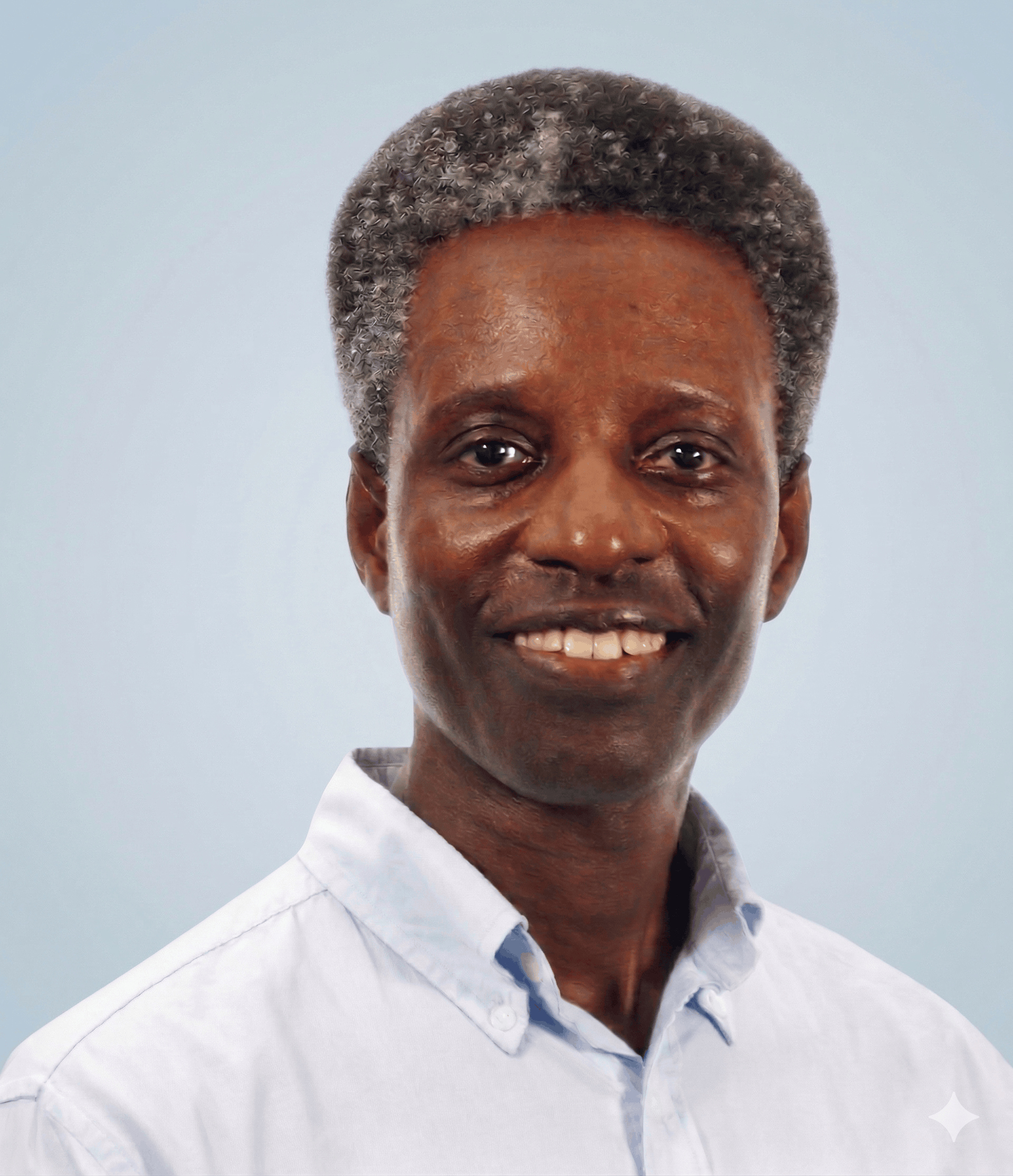
Three principal investigators (PI) from the Biological Systems Engineering (BSE) Division will be on projects (shown left to right): senior scientist Aindrila Mukhopadhyay, and staff scientists Héctor García Martín and Edward Baidoo.
Mukhopadhyay will be working with scientific engineering associate David Carruthers on an undertaking headed by Rice University. The objective is to enable precise engineering of isoprenoid synthesis through the development of new models to create a scalable, self-reinforcing experimental loop. By predicting the impact of local structure and sequence changes on terpenoid-interacting proteins, these models will discover new mutant combinations with desirable properties.
García Martín is involved in three of the projects, two as a PI and another one as senior personnel with Co-PI Baidoo. The two scientists are collaborating on a project with Exozymes—formerly Invizyne Technologies—and will use digital twins to advance the development of cell-free biomanufacturing systems. “The use of AI opens up the possibility to produce accurate predictive models of cell free systems,” said García Martín. The aim of these cell-free systems is to eliminate the challenges that often arise when working with live cells—high complexity and difficult to optimize.
Of the other efforts led by García Martín at the Lab, one of the proposals is focused on developing foundational models designed for metabolic engineering to address the complexity and scale of biological design challenges. This project is led by University of Illinois Urbana-Champaign. The other, headed by University of California Santa Barbara, uses computational methods to predict how microbial communities behave, researchers can then use this knowledge to engineer them to produce chemical building blocks used to make important fuels and chemicals.

Texas A&M is directing a project involving Environmental Genomics and Systems Biology (EGSB) Division systems engineer Gazi Mahmud, who is also Data and AI Architect Lead of the DOE Systems Biology Knowledgebase (KBase). “Critical minerals research depends on data that rarely sit together,” said Mahmud. “KBase’s Lakehouse unifies microbial, water, and geochemical data under common governance, and our AI co-scientist reasons across it to guide scientists to these resources.” The team will develop tools to harness biological, water-system, and geochemical information; integrating data from microorganisms, water movement, and mineral chemistry will enable the location and recovery of environmental critical minerals. Berkeley Lab will contribute the KBase Lakehouse to bring these datasets together under common data governance to support analysis, generate hypotheses, and guide research.
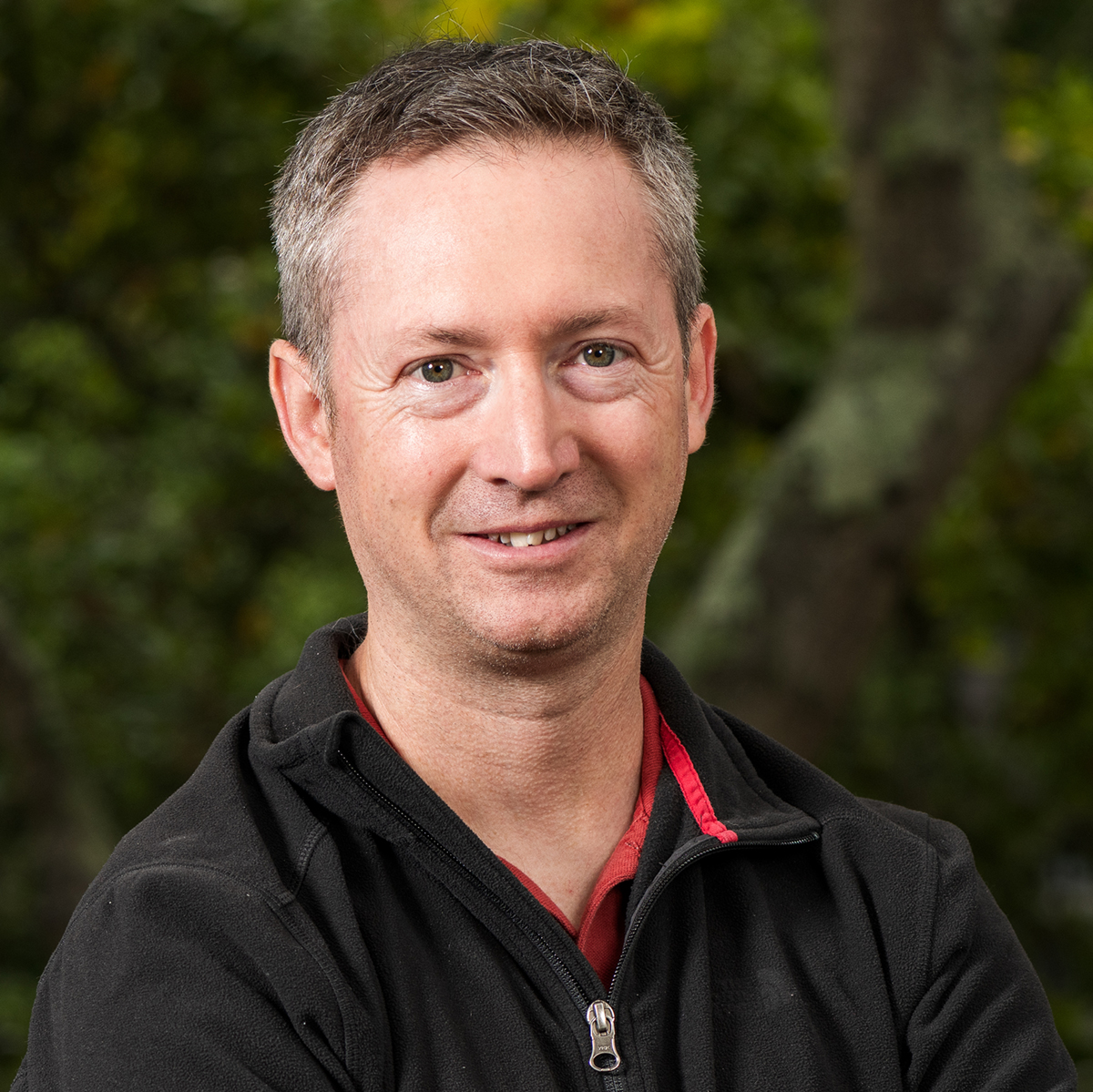
Ian Blaby, Joint Genome Institute (JGI) staff scientist, is working on a collaboration with Stanford University as the lead. The work will use advanced computation and high-throughput genetic engineering to design regulatory sequences that control when, where, and how strongly plant genes switch on. “Today, engineering a plant is guesswork: we build hundreds of designs hoping one works. If a model can predict what a sequence will do before we build it, we can design plants for fuel, food, and critical minerals far faster,” said Blaby, who is also head of the JGI’s Biodesign Capability. This builds the missing foundation in plant engineering—a harmonized, quality-controlled collection of public plant genomics data, curated by artificial intelligence agents; the results then define what predictive plant design requires next.

Molecular Biophysics and Integrated Bioimaging (MBIB) Division Director and senior scientist Junko Yano is leading Berkeley Lab efforts on an undertaking headed by SLAC National Accelerator Laboratory. The work will build a closed-loop in which an AI agent compares competing ideas about how catalysts work, identifies missing evidence, and chooses the next experiment. “Understanding how catalysts work takes time and many experiments. Pairing AI with real-time measurements lets us focus on the experiments that matter most and speeds the path to more efficient, durable energy technologies,” said Yano. Real-time measurements at Stanford Synchrotron Radiation Lightsource (SSRL), combined with electrochemistry, computational models, and published knowledge, feed each result back into the system, testing whether fewer experiments reveal how catalysts work.


