
Carolyn A. Larabell
Retiree Affiliate
formerly Biologist Senior Faculty Scientist
Research Interests
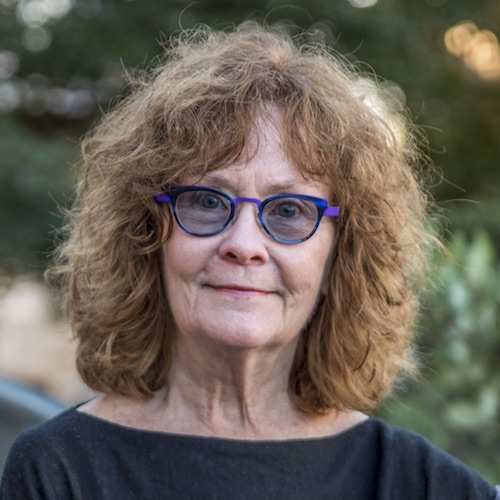
Carolyn Larabell is the Director of the National Center for X-ray Tomography, which develops novel imaging technologies for biological and biomedical research. In particular, NCXT staff and collaborators are spearheading the development of soft x-ray tomography as a new tool for visualizing cells. A major part of this development has been the design, construction and now operation of XM-2, the world’s first soft x-ray microscope for life science research. Located at the Advanced Light Source of Lawrence Berkeley National Laboratory, the microscope is fully operational and in high demand.
NCXT staff are also developing new light-based methods for imaging cells, for example high-numerical aperture cryo-light microscopy. This new modality allows cryopreserved cells to be sequentially imaged with light (fluorescence) and then X-rays. The latter visualizes the detailed, 3-dimensional sub-cellular architecture, whereas light-based imaging provides information on the positions of fluorescent-tagged molecules within the cell. These two pieces of data can be overlaid to form a single, information rich 3D image of a cell. This technique is now producing powerful insights into cell structure and the local environment of the fluorescent-labeled molecule. This information can be integrated with molecular biology, genetics and computer modeling to greatly increase our understanding of cell biology.
Programs & Initiatives
Recent Publications
Related News
Larabell Shares AAAS Outstanding Paper Prize
The American Association for the Advancement of Science (AAAS) presented the Newcomb Cleveland prize to an international team of researchers, including senior faculty scientist Carolyn Larabell. They were recognized for their Science journal article describing the discovery of a novel organelle, the nitroplast, in single-celled algae.
Scientists Discover Nitrogen-fixing Organelle
After years of work, an international team found evidence that a once-independent nitrogen-fixing microbe has become a permanent resident within algae cells.
A New Pathway for Clearing Misfolded Proteins
Stanford researchers have used cryogenic 3D imaging at the National Center for X-ray Tomography (NCXT) to identify a new pathway for clearing misfolded proteins from cells. This work presents a potential therapy target for age-related disorders like Alzheimer, Parkinson, and Huntington Diseases.
Recent Publications
Related News
Scientists Discover Nitrogen-fixing Organelle
After years of work, an international team found evidence that a once-independent nitrogen-fixing microbe has become a permanent resident within algae cells.
A New Pathway for Clearing Misfolded Proteins
Stanford researchers have used cryogenic 3D imaging at the National Center for X-ray Tomography (NCXT) to identify a new pathway for clearing misfolded proteins from cells. This work presents a potential therapy target for age-related disorders like Alzheimer, Parkinson, and Huntington Diseases.
Congratulations to Biosciences Area Director’s Award Recipients
Several Biosciences Area personnel are among the 2022 recipients of Berkeley Lab Director’s Achievement Awards. The program recognizes outstanding contributions by employees to all aspects of Lab activities.
Divisions
- Genomic Technologies
Secondary Affiliation:
Environmental Genomics and Systems Biology
- Comparative and Functional Genomics
Recent Publications
Related News
Biosciences FY25 LDRD Projects
The projects of 23 Biosciences Area scientists and engineers received funding through the FY25 Laboratory Directed Research and Development (LDRD) program.
How Plants and Mycorrhizal Fungi Cooperate
Researchers have studied both sides of plant-fungi symbiosis in one of the first cross-kingdom spatially-resolved transcriptomics studies to date.
Super-charged Stable Isotope Probing in the Fungal Hyphosphere
High-throughput stable isotope probing (SIP) proved to vastly reduce labor and improve results. Applying this method to the study of a particular fungi, researchers identified novel interactions between bacteria and the fungi.
Research Interests
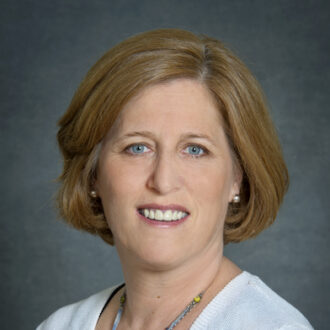
The long-term goal of our research is to understand the structural and dynamic information encoded in the linear sequence of amino acids. Proteins undergo an incredible transformation from one-dimensional sequence information into complex three-dimensional shapes that carry out intricate cellular functions. We still, however, don’t have enough biophysical knowledge to translate this sequence information into functional insights. For instance, many proteins share the same native structure yet their cellular dynamics and function, in other words their energy landscapes, are different. Our laboratory uses a combination of biophysical, structural and computational techniques to understand these features.
In addition to the native conformation, a protein sequence populates small fluctuations around the native state, partially unfolded forms and even the globally unfolded conformation. Such non-native states on the energy landscape are thought to play a determining function in many cellular processes such as translocation, protein synthesis, degradation, signaling and allostery. They are also prone to aggregation, a phenomena which has been implicated for many diseases (the so-called misfolding and amyloid diseases). Understanding the sequence determinants of the energy landscape is therefore fundamental to the biological process that proteins carry out as well as protein folding itself.
Recent Publications
Related News
Marqusee Recipient of Protein Society Award
Susan Marqusee, faculty scientist in the Molecular Biophysics and Integrated Bioimaging Division, will receive the Dorothy Crowfoot Hodgkin Award, sponsored by Genentech, which is granted in recognition of exceptional contributions in protein science that profoundly influence our understanding of biology. Marqusee, a biophysical chemist whose work focuses on protein folding and dynamics, is one of the world's top experimental scientists in the field of protein folding.
Three MBIB Scientists Named to the National Academy of Sciences
Three scientists affiliated with the Molecular Biophysics & Integrated Bioimaging Division - Robert Glaeser, Krishna Niyogi, and Susan Marqusee - were among four Lawrence Berkeley National Laboratory (Berkeley Lab)-affiliated researchers elected as members to the National Academy of Sciences (NAS) this week. The election to the NAS recognizes their distinguished and continuing achievements in original research.
Research Interests
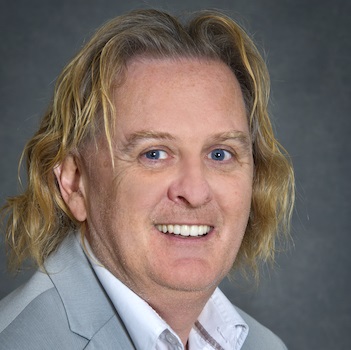
The Marriott Lab operates at the interface of chemistry, biology, medicine and engineering, is focused on understanding the molecular regulation of cellular processes and function, and improving human health. Active research projects underway in my group include establishing new principles and techniques for high-contrast imaging and optical manipulation of specific proteins in living cells and tissue, developing new smart biomaterials that mimic the extracellular organisms. The ultimate goal of these studies is to understand the molecular regulation of specific processes within living systems over multiple scales of biological organization, space and time, and to use this knowledge to develop drugs and therapies to improve human health.
Recent Publications
Research Interests
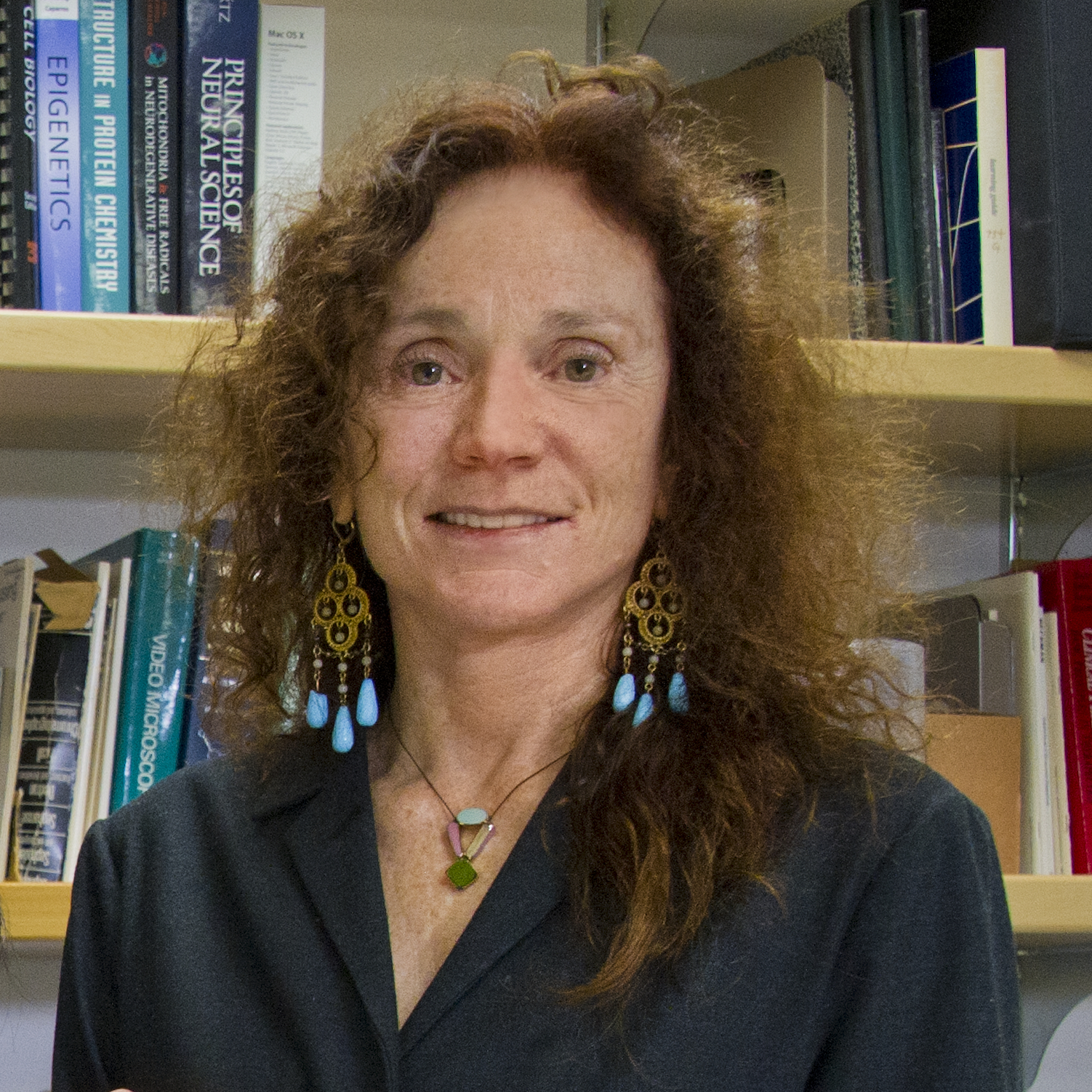
Cynthia McMurray studies the biological progression of neurodegenerative diseases, such as Huntington Disease and Alzheimer Disease, by investigating changes in brain metabolism, DNA damage, and other cellular indicators.
Recent Publications
Related News
Huntington’s Disease Discovery Opens Door to a New Class of Treatments
Biosciences Area researchers illuminate a new aspect of the disease that could be targeted with simple, already-available compounds.
Unraveling the Mysteries of DNA Damage in the Brain
A first-of-its-kind study led by Cynthia McMurray and Aris Polyzos in the Molecular Biophysics and Integrated Bioimaging (MBIB) Division integrated cell type– and brain region–specific features of DNA repair in normal brains, setting a benchmark for the field. Their results, recently published in Nature Communications, suggest that DNA damage itself serves as the checkpoint, limiting the accumulation of genomic errors in cells during natural aging.
R&D 100 Awards Are In!
Seven innovative technologies from Berkeley Lab have been honored with a 2022 R&D 100 Award, presented by R&D Magazine. Biosciences Area researchers contributed to two different products that were awarded.
Research Interests
I have a broad background in ion channel structural biology and functional characterization. My interest in the physical chemistry of biological phenomena began with my undergraduate study in biophysics and biochemistry at the University of Pennsylvania. As a graduate student in the Department of Chemistry at MIT with Prof. Peter S. Kim, I focused on understanding the basic principles of protein folding and molecular interactions. While at MIT, I developed a keen interest in the proteins involved in electrical signaling. To pursue this interest, I worked as a postdoctoral fellow with Dr. Nigel Unwin at the LMB Cambridge and with Prof. Lily Y. Jan at UCSF where I was able to apply my background in structural biology to specific questions regarding ion channel structure and regulation. As a PI, I have focused my laboratory’s efforts on structural and mechanistic understanding of ion channels and in the development of new pharmacological tools for orphaned channel classes. My lab is pursing a research program that combines structural biology, ion channel functional studies, and chemical biology approaches to develop new channel pharmacologies. I am a Professor of Biochemistry and Biophysics and Cellular and Molecular Pharmacology, an Investigator in the Cardiovascular Research Institute at UCSF, and a Faculty Scientist at LBNL. My laboratory has made many contributions to the structural understanding of the function of various classes of ion channels and development of new channel modulators using a multidisciplinary approach employing genetic selections, biophysical approaches, chemical biology, and X-ray crystallography.
Recent Publications
Related News
A Frog Worth Kissing, Part II
Naturally occurring protein in frogs and toads found to halt or reverse lethal effects of red tide toxin in mice.
A Frog Worth Kissing: Natural Defense Against Red Tide Toxin Found in Bullfrogs
A team led by Berkeley Lab faculty biochemist Daniel Minor has discovered how a protein produced by bullfrogs binds to and inhibits the action of saxitoxin, the deadly neurotoxin made by cyanobacteria and dinoflagellates that causes paralytic shellfish poisoning. The findings, published this week in Science Advances, could lead to the first-ever antidote for the compound, which blocks nerve signaling in animal muscles, causing death by asphyxiation when consumed in sufficient quantities.
ALS-ENABLE Helps Decode a Calcium-dependent Switch
The Kv7 family of voltage-gated potassium channels control excitability in the heart, brain, and ear, and harbor mutations associated with arrhythmias, epilepsy, and deafness. A recent study, led by Molecular Biophysics and Integrated Bioimaging (MBIB) faculty scientist Daniel Minor’s group in the Cardiovascular Research Institute at UCSF, used both diffraction and scattering beamlines of ALS-ENABLE to reveal a universal switch mechanism by which the calcium sensor protein calmodulin controls the action of these channels. The findings, reported in the journal Neuron, provide a key link between Kv7 channel activity and cellular signaling pathways. Greg Hura, a research scientist in MBIB, was also a co-author on the paper. Watch a video detailing the work.

Building: 978, Room 4112
Mail Stop: 978-4121
Phone: (510) 495-2628
Fax: (510) 486-4252
AMukhopadhyay@lbl.gov
http://m-group.lbl.gov/
Links
Divisions
Biological Systems and Engineering
- Biodesign
Secondary Affiliation:
Environmental Genomics and Systems Biology
- Molecular EcoSystems Biology
Biography
Aindrila Mukhopadhyay received an MSc in chemistry from the Indian Institute of Technology, Bombay, and has a PhD in organic chemistry from the University of Chicago. She is a senior scientist and a principal investigator in the Ecosystems and Networks Integrated with Genes Molecular Assemblies (ENIGMA) (https://enigma.lbl.gov) Scientific Focus Area. Mukhopadhyay leads a multidisciplinary team to study stress response in bacteria using microbiological, biochemical, and systems biology tools. Additionally, she is the Vice President of the Fuels Synthesis Division and the Director of the Host Engineering group at the Joint BioEnergy Institute.
Her group develops tools of engineering E. coli and S. cerevisiae strains, and specifically focuses on developing robust strains that show high tolerance and productivity during biofuels and chemicals production.
Research Interests
Dr. Mukhopadhyay’s work is focused on understanding membrane transport, signaling, stress response and tolerance phenotypes in microbial systems. She studies both engineered and environmental microbes. She utilizes a wide variety of microbiological, biochemical and systems biology tools to examine environmentally important organisms such as sulfate and metal reducing bacteria as well as cyanobacteria. She has specific interest in signaling mechanisms in novel non-model organisms like Pseudomonas stuzeri, Desulfovibrio vulgaris and Microcoleus vaginatus and has conducted detailed studies in model organisms such as Agrobacterium tumefaciens. She develops tools, and uses host engineering and protein engineering strategies, to improve the production of fuel and chemicals production, and conduct bioremediation, using model microbes such as Escherichia coli, Corynebacterium glutamicum and Saccharomyces cerevisiae.
Recent Publications
Related News
AI, Automation, and Biosensors Speed the Path to Synthetic Jet Fuel
Two breakthrough strategies are rewriting the playbook for designing microbes that make synthetic aviation fuels.
Mukhopadhyay Elected American Academy of Microbiology Fellow
Aindrila Mukhopadhyay has been elected to the American Academy of Microbiology fellows in recognition of her achievements in functional genomics and systems biology.
Speeding up Biomanufacturing with a Turnkey Framework
Researchers from the Joint BioEnergy Institute (JBEI) developed a new framework that reduces the time of developing novel bioproducts. This new workflow, called Product Substrate Pairing (PSP), has already shown great promise for engineering strains that can convert common bacterial food sources into target molecules.
Research Interests
My long-term research goals are to understand how photosynthetic energy conversion works, how it is regulated, and how it might be improved to help meet the world’s needs for food and fuel. We use a wide array of experimental organisms and interdisciplinary approaches to investigate fundamental questions about assembly, regulation, and dynamics of photosynthesis. Current lab members study the biosynthesis and function of photosynthetic pigments, assembly and repair of photosynthetic reaction centers, structure and dynamics of the photosynthetic membrane, mechanisms involved in sensing excess light, singlet oxygen signaling, transcriptional regulation of photosynthesis and photoprotection by light and carbon, and regulation of photosynthetic light harvesting in saturating light. By comparing how photosynthesis works in diverse organisms, we hope to uncover general design principles of natural photosynthesis as well as unique adaptations to different environments.
Recent Publications
Related News
How Algae Use Memory to Adapt to Sudden Changes in Sunlight
A new study co-led by Graham Fleming a senior faculty scientist in the Molecular Biophysics and Integrated Bioimaging (MBIB) Division, and Krishna Niyogi, a faculty scientist in MBIB, reveals the precise molecular machinery that underpins photoprotective memory in green algae. The results may help scientists develop more productive plants and improve crop yields.
Bioscientists to Receive DOE Funding for Biomanufacturing and Microbiome Research
Biosciences researchers are among the recipients of four new DOE awards. Two awards will focus on reducing carbon emissions while producing bioenergy. The other two are aimed at understanding the role of microbiomes in the biogeochemical cycling of elements like carbon.
Scientists Talk Diatoms in Genome Insider Podcast
Berkeley Lab scientists discuss their research on a tiny group of algae with insanely gorgeous exterior shells.

Divisions
Environmental Genomics and Systems Biology
- Molecular EcoSystems Biology
Secondary Affiliation:
Biography
Metabolomics Program Lead
Deputy Division Director, Environmental Genomics and Systems Biology
Senior Scientist, Berkeley Lab
Education
B.S. in Chemical Engineering, University of California Santa Barbara;
Ph.D. in Chemistry and Biochemistry, Arizona State University;
Post-doc in Metabolomics, The Scripps Research Institute;
Executive Education, UC Berkeley Haas School of Business;
DOE Oppenheimer Science and Energy Leadership
Summary
Dr. Trent Northen is currently a Senior Staff Scientist at Berkeley Lab. Since joining Berkeley lab in 2008 Dr. Northen has had leadership roles within large DOE funded research programs using mass spectrometry for energy and environmental research including through the Joint BioEnergy Institute and the ENIGMA SFA project. In 2015, he founded what is now the JGI Metabolomics Program to provide advanced metabolomic methods available to JGI users. Dr. Northen’s research is focused on using metabolomics to link genomes with environments to understand how webs of microbes cycle carbon and sustain biomes via the development and application of advanced mass spectrometry approaches and model laboratory ecosystems (EcoFABs).
Recent Awards and Service
2019 R&D100 Award, 2016 Berkeley Lab Director Exceptional Achievement Award, 2014 DOE Early Career Award, 2013 R&D100 award, 2009 Presidential Award for Science and Engineering PECASE awarded by President Obama, A JBEI Excellence Award, multiple LBNL SPOT Awards, and two NIH SPORE Career Development Awards. Dr. Northen currently serves as the Deputy Director of the Environmental Genomics and Systems Biology at Lawrence Berkeley National Laboratory, he was the interim Division Director within this same organization during the formation of the Division in 2015-2016. Dr. Northen regularly chairs workshops, organizes conference sessions, and serves on review panels. At Berkeley Lab he serves on a number of committees and is the Strategy Mentor for the Berkeley Lab Biosciences Environmental Strategy.
Research Interests
Please see our lab’s website for more detail on our research.
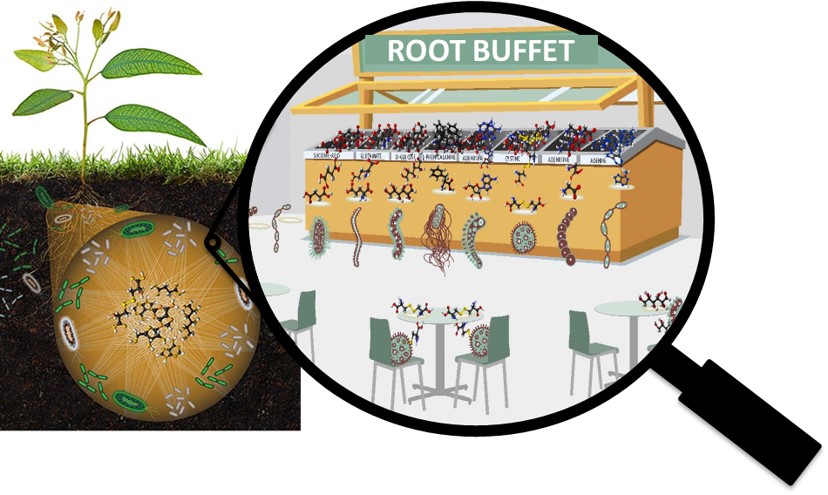
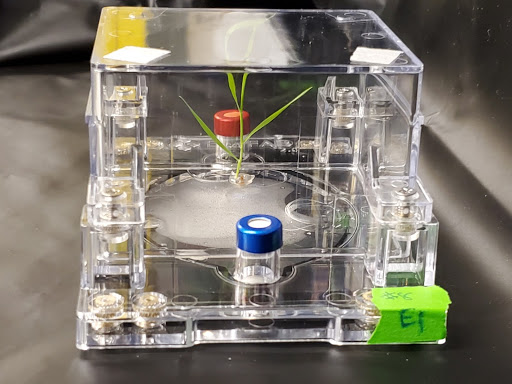
Summary: The combined impact of changing climate, population growth, environmental contamination, and soil degradation represent one of the greatest challenges facing humanity. Harnessing microbes will be a cornerstone of future sustainable agricultural and land management practices. Our laboratory uses mass spectrometry and fabricated ecosystem approaches to study the dynamic and reciprocal processes by which microbes interact to transform the organic molecules within their environment. Through the use of exometabolite profiling, we predict microbial metabolic webs in soils, sediment, and the rhizosphere for testing in fabricated ecosystems (EcoFABs) through the use of synthetic communities. Together these studies are providing insights into how microbes can be used to restore soil carbon, promote plant growth, and remove environmental contaminants.
Programs & Initiatives
Recent Publications
Related News
When Marine Algae Get Sick: How Viruses Shape Microbe Interactions
Researchers in the Environmental Genomics and Systems Biology Division collaborated on a study to better understand the role of viruses that infect photosynthetic phytoplankton in the marine food web.
Nurturing STEM Opportunities for Native Americans
A Berkeley Lab internship program aims to help increase Native American representation in graduate programs.
Introducing RhizoNet: AI-driven Plant Root Analysis
Berkeley Lab scientists from the Applied Mathematics and Computational Research (AMCR) and Environmental Genomics and Systems Biology (EGSB) Divisions developed RhizoNet, which harnesses the power of artificial intelligence (AI) to automate the process of root image analysis with exceptional accuracy.
Divisions
- Science Programs
Secondary Affiliation:
Environmental Genomics and Systems Biology
- Comparative and Functional Genomics
Recent Publications
Related News
JGI Researchers Trace Strawberry Ancestors For a View of Crop Evolution
Adam Session and Daniel S. Rokhsar have recently published a Nature Communications paper that builds off their early collaborations that could help crop breeders and researchers predict how crops and model organisms may evolve.
Congratulations 2021 Chan Zuckerberg Biohub Investigators
Four faculty scientists in the Biosciences Area were included in The Chan Zuckerberg Biohub Investigator Program, awarding $21 million to 21 University of California, Berkeley researchers.
Recent Publications
Related News
Pam Ronald Elected to American Academy of Arts and Sciences
Pam Ronald, a faculty scientist in the Environmental Genomics and Systems Biology (EGSB) Division, has been elected to the American Academy of Arts and Sciences. She was recognized for her accomplishments and leadership in plant pathology research.
Pamela Ronald Awarded 2022 Wolf Prize in Agriculture
Ronald was recognized for her work on disease resistance and environmental stress tolerance in rice.
JBEI’s Pamela Ronald Named GCHERA World Agriculture Prize Laureate
Pamela Ronald, the Joint BioEnergy Institute's (JBEI) Scientific Lead for Plant Pathology in the Feedstocks division, has been named the 2020 World Agriculture Prize laureate by the Global Confederation of Higher Education Associations for Agricultural and Life Sciences, or GCHERA. Ronald is a distinguished professor in the Department of Plant Pathology at the University of California, Davis (one of JBEI’s six academic research partners) and with the UC Davis Genome Center. She becomes the first woman whose work is recognized by the award. The virtual award ceremony will be held on November 30.


