
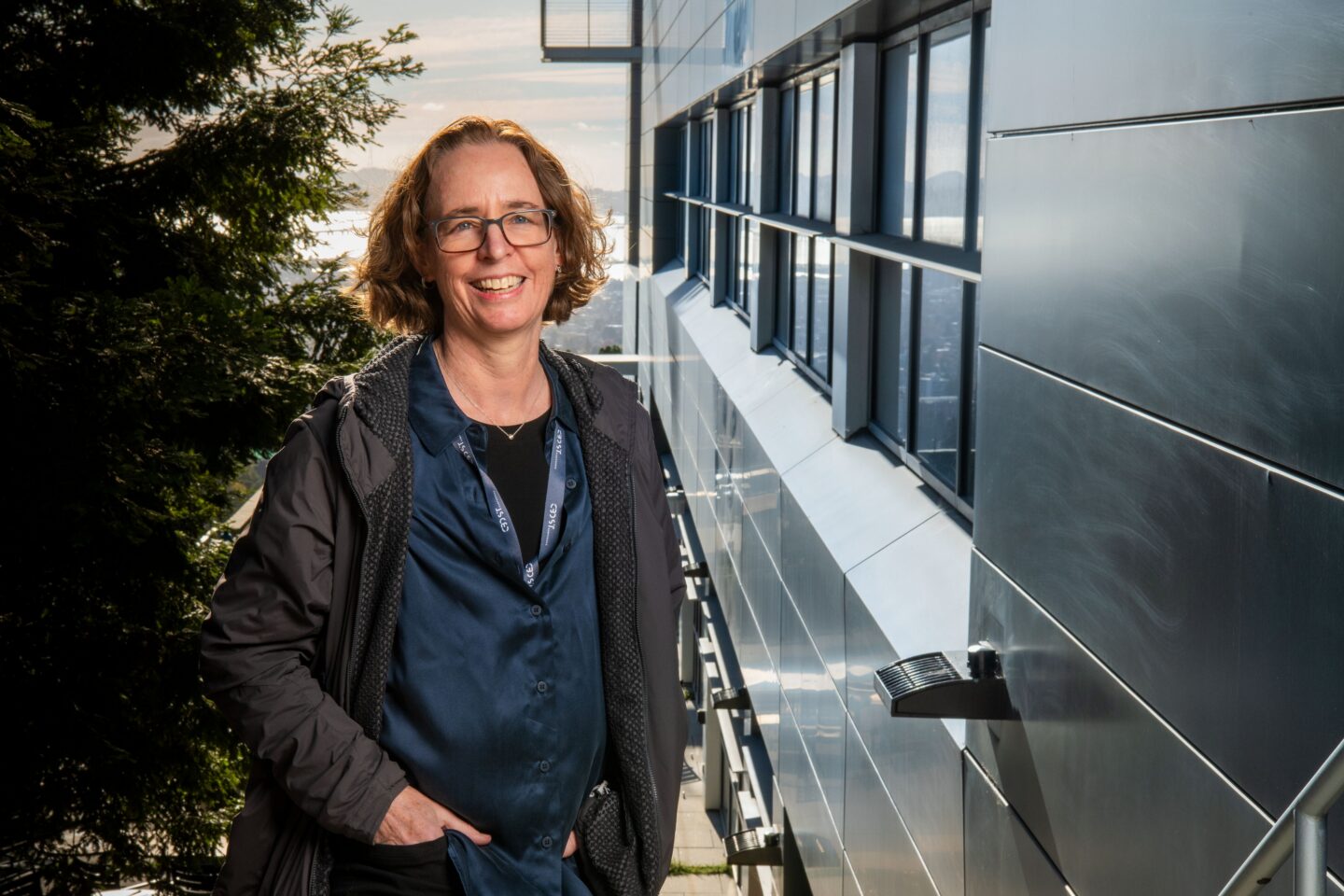
An ideal morning for Corie Ralston involves near complete silence, before the city’s noises start, and her writing desk in her home office. For nearly 30 years, Ralston has honed her craft of writing science fiction short stories, which have been published in various magazines through the years. “My stories tend to use science to turn a metaphor into something real, which allows me to examine our place in the world and explore ideas and feelings in a way that non-science fiction can’t,” she said.
Ralson recently stepped down from her position as a facility director at the Molecular Foundry (Foundry) in preparation for retirement. She remains a staff scientist at the Foundry with a secondary appointment in the Molecular Biophysics and Integrated Bioimaging (MBIB) Division. In her spare time, she continues to write and doesn’t struggle to connect the dots between these two worlds. “Getting critiqued as a writer helped prepare me for the challenges that come along with having my research evaluated as a scientist,” she said. “And I definitely get story ideas from my day job … Things I can’t put into a grant proposal can make for a good science fiction story.”
Building Tools for Discovery
In her role as a scientist in the Biological Nanostructures facility (NanoBio) within the Foundry, Ralston has worked to develop new technologies for biomedical research. She often collaborates with non–Berkeley Lab scientists tapping into Foundry resources through their user program. So really, Ralston sees herself as a facilitator, building the instrumentation and methods that enable and support other scientists. “That’s the beauty of working at a national user facility,” she said. “We make it possible for scientists nationwide to do great science.”
Of the seven facilities available at the Foundry, NanoBio facilitates studies of tiny biological structures that are about 100,000 times smaller than the width of human hair. This group provides the expertise and technology needed to study and design assemblies of those structures that can be used for a wide range of applications, from synthesis of new materials to therapeutic applications.
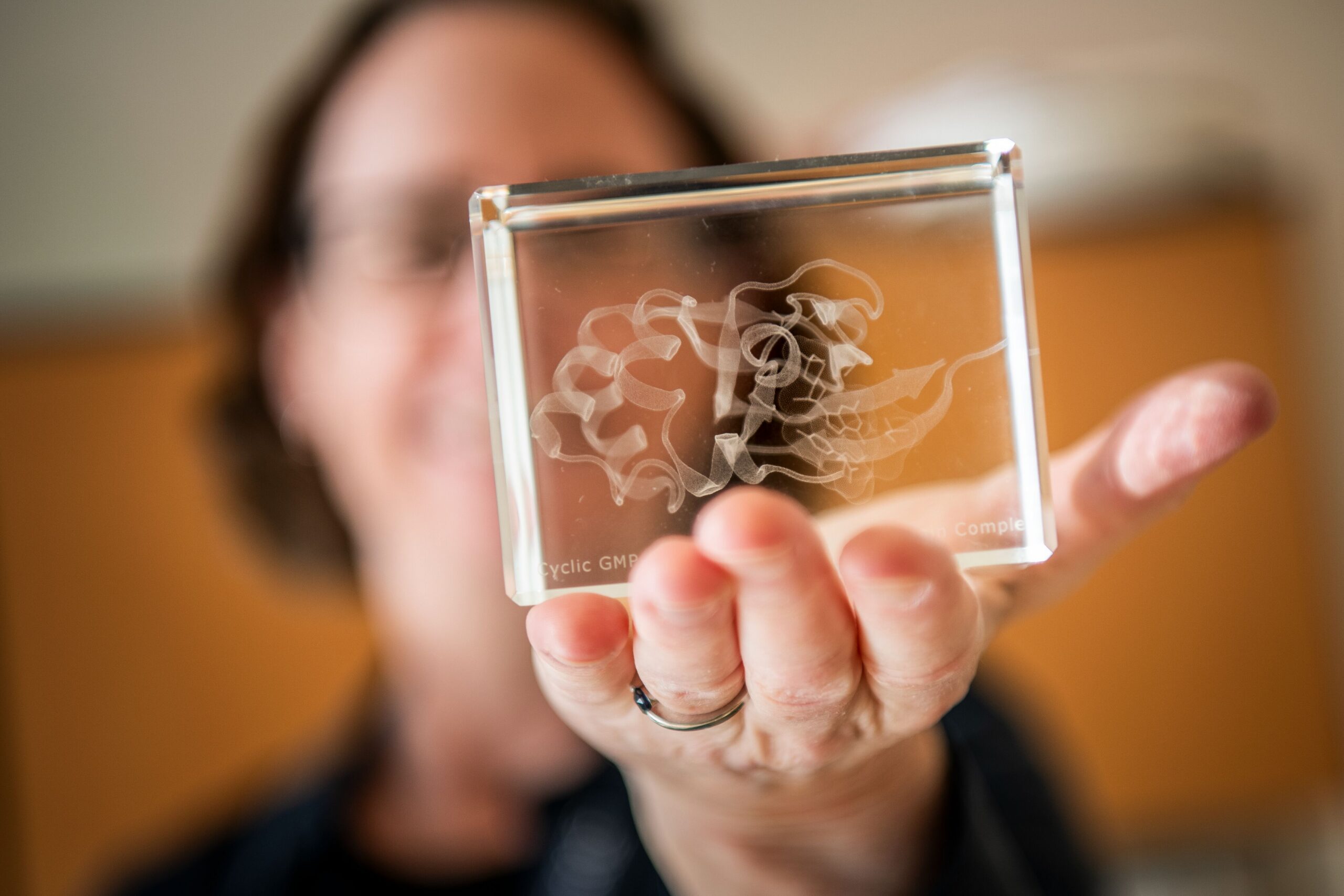
Ralston also explores a perplexing phenomenon known as the FLASH radiotherapy effect. Roughly a decade ago, cancer researchers discovered that delivering ultrafast, high-intensity doses of radiation to tumors reduces the toxicity to surrounding healthy cells, while still directing potent anti-cancer action. Though the mechanisms underlying the anomaly continue to mystify scientists, the FLASH approach shows promising results. “Everybody in cancer radiation biology knows about this and is trying to figure it out,” Ralston said. So she assembled a cross-cutting group that leverages beamlines at Berkeley Lab’s Advanced Light Source (ALS) and MBIB expertise to investigate the phenomenon at a fundamental level.
After 26 years at Berkeley Lab, Ralston has begun transitioning the responsibilities of the NanoBio facility director role as she looks toward retiring in summer 2027. Crysten Blaby-Haas, a staff scientist at the Foundry with a joint appointment at Joint Genome Institute (JGI), has stepped into the position and the intentionally long overlap between these two leaders was designed to offer a smooth handoff.
“So now I’m not managing NanoBio anymore, but am still a staff scientist in the facility, helping users and doing a bit of research of my own,” Ralston said. “I’ve been fortunate in my career to have these management opportunities … But now I have fewer meetings and get to do science again. It reminds me of my early days at Berkeley Lab; I’m really enjoying it.”
A Curious Path
Ralston remembers the first time she visited Berkeley Lab in the early 1990s as a graduate student at the University of California, Davis. She was initially on a track to study physics, but a friend in the biophysics program invited her along to an experiment at the ALS, and Ralston’s path was forever impacted. Almost instantly, she was amazed at the types of research available with the synchrotron. “I was hooked,” Ralston said. “I knew I wanted to work at a place like Berkeley Lab.”
Ralston remembers always being interested in science—growing up, family conversations often revolved around science discoveries or theories. Ralston’s mother, Ericka Barrett, was a food microbiologist and professor at UC Davis, and completed her undergraduate, graduate, and postdoctoral studies at UC Berkeley. During her time at Berkeley, Ralston’s mom’s research identified multiple strains of bacteria that, in 1995, were reclassified as a new genus and given the name Ralstonia (a reference to her married name at the time) “My mom was an amazing teacher; she made science fun and interesting,” Ralston said. “She made it seem possible for me to become a scientist.”
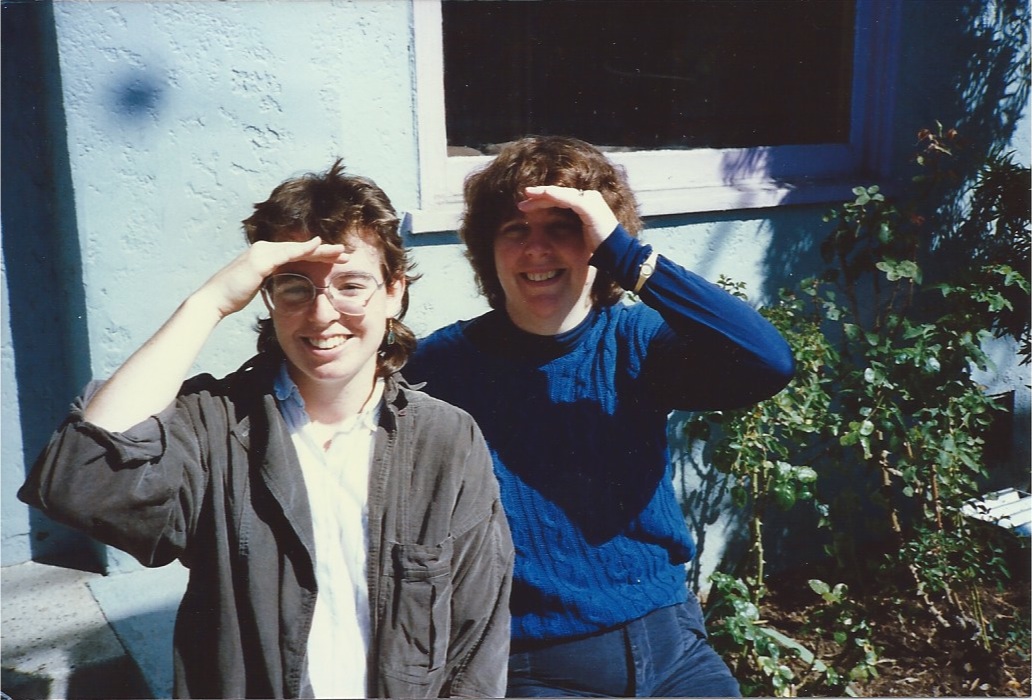
Not wanting to choose between her interest in science and love of music, Ralston initially pursued a double major as an undergraduate. However, she quickly realized that there were more long-term career options available down the science path and, after graduating, accepted an engineering position with global technology company IBM. Ralston counts the role as being a good experience. Still, she ultimately chose to return to academia in pursuit of a graduate degree (which her mom had encouraged her to do all along).
That introduction to Berkeley Lab during her graduate studies caused Ralston to switch tracks to biophysics and, upon completing her time as a student, she accepted a postdoctoral research position at Albert Einstein College of Medicine in New York City. In the early 2000s, Ralston ran into a friend who was working at the Lab and he encouraged her to consider applying for an open position for an ALS beamline scientist.
This role turned into a multi-decade career for Ralston at Berkeley Lab. She started off learning the basics of protein crystallography, a technique that uses X-ray energy to reveal the structure of macromolecules. After a few years in this role, Ralston accepted a position managing the Berkeley Center for Structural Biology (BCSB) program, which operates specialized beamlines at the ALS and offers advanced expertise.
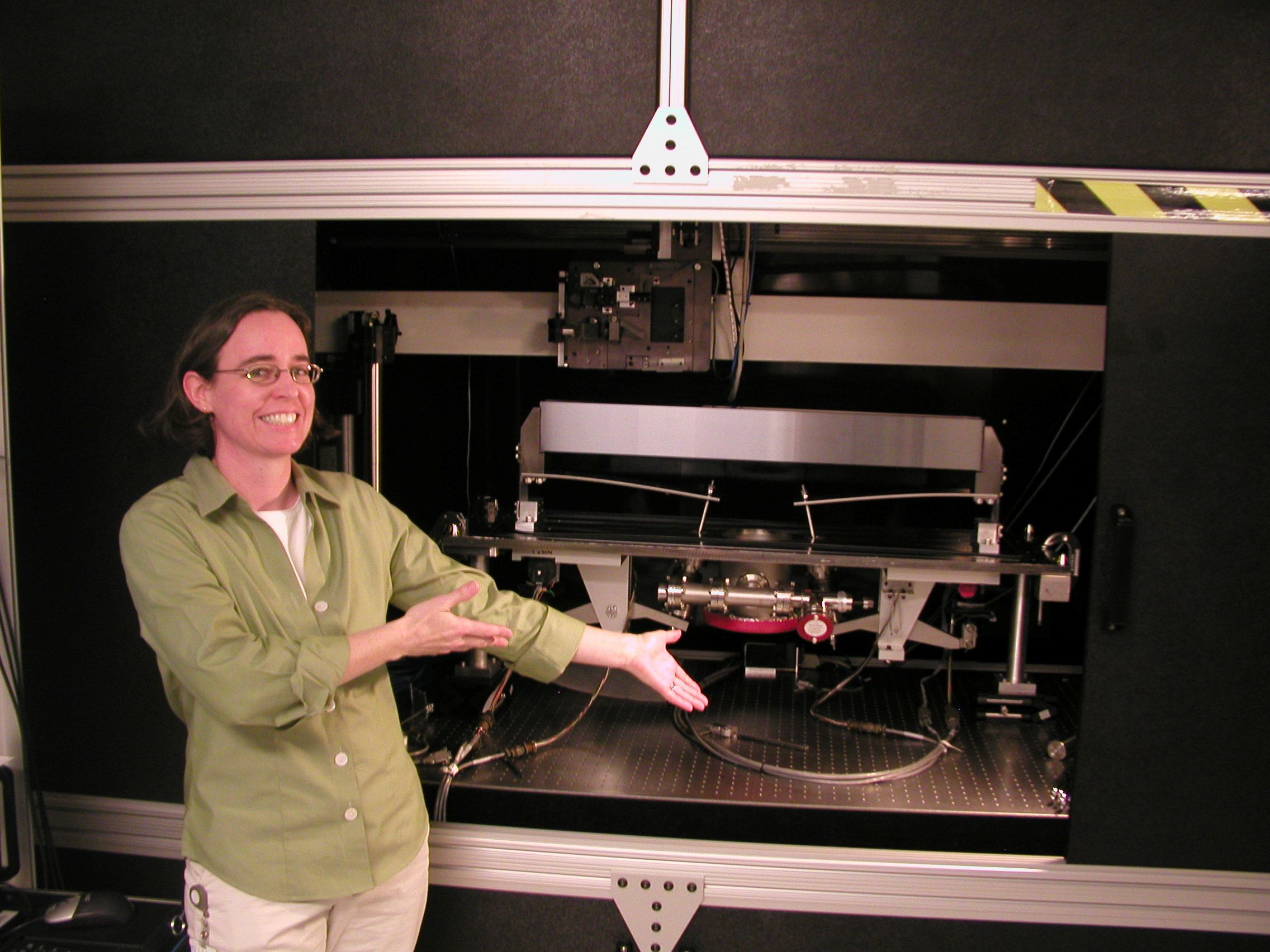
When leading this group, Ralston built out a new beamline from concept to first photon. She was involved in pitching and selling the idea to funders and also oversaw the engineering and building of a fully functional tool that expanded the offerings and expertise available to BCBS researchers.
Ralston also introduced to the ALS a new method called X-ray footprinting. This advanced technique was pioneered by the principal investigator of Ralston’s postdoctoral research, and once the capacity became available at the ALS, it enabled researchers there to map biological molecules in their natural liquid state. From mapping difficult-to-solve antibodies that can block the SARS-CoV-2 protein to revealing the molecular mechanisms of cyanobacteria’s “photoswitch,” X-ray footprinting continues to be a critical tool available to researchers and users.
“These projects were challenging and rewarding, and ultimately furthered the capabilities of the groups that I was supporting at that time,” Ralston said. “They’re things that I’m really proud of.”
Writing the Next Chapter
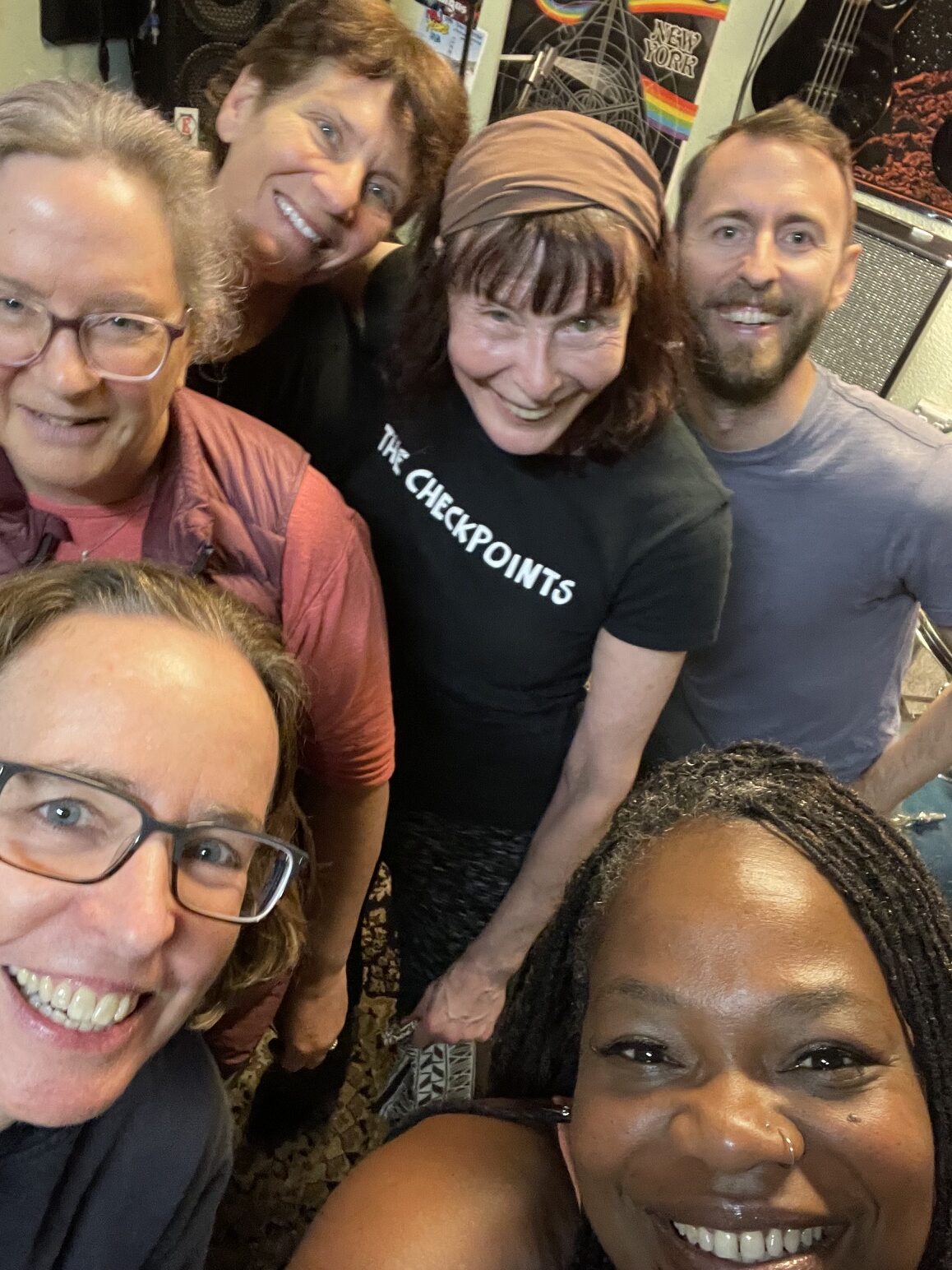
As Ralston continues to think through her plans for retirement, she’s excited to see how her colleagues at Berkeley Lab continue to push the boundaries and capabilities of science. Beyond professional connections, Ralston will likely stay in the know with Lab happenings through band practice.
Since early 2024, she’s been playing electric guitar and keyboard in a local band called Almost Pretty. The members include her partner, Cynthia Williams, a medical provider; Foundry colleague Eric Dailing; former Berkeley Lab postdoc Deb Charych, who now runs her own therapeutics company; friend and Bay Area K-12 principal Edith McCormick; and Nobel laureate chemist Carolyn Bertozzi. So, in addition to playing covers and original songs at local gigs, science will likely remain a topic for Ralston in the years to come.
Ultimately, she’s looking forward to having more time to dedicate to her writing and love of science fiction. Ralston enjoys the creative writing process so much, she devoted the year after completing her PhD to delving deeper into the world of writing. She spent six-weeks immersed in a science fiction workshop that, at that time, was based in Michigan. Despite the rounds of group critiques that initially felt challenging, Ralston enjoyed being a beginner again and learning the mechanics and resilience that go along with being a professional writer.
Through her career in science, Ralston has learned how to be okay with not being an instant expert, and instead developing the skills over time. “It’s the process of learning and growing that makes life fun, and I intend to keep doing that in retirement ” she said. “I haven’t been successful yet at publishing a novel, but I will keep chipping away at it. And I’ll keep writing songs and performing music so that I can keep getting better at that, too. I’ll miss being active in science but I am also really looking forward to this new phase of my life.”
Written by Ashleigh Papp. As a communications specialist for Berkeley Lab’s Biosciences Area, Papp spotlights the people and stories behind our latest research.
Read other profiles in the Behind the Breakthroughs series.


