
Harmful algal blooms, also known as “red tides,” happen when there is an overabundance of nutrient runoff, warm water temperatures, sunlight, and calm winds. With these conditions, microscopic algae flourish and produce abnormally high levels of saxitoxin, a neurotoxin so potent it’s classified as a chemical weapon.
When people ingest shellfish harvested from these waters, the saxitoxin enters our bloodstream and prevents electrical signals from flowing. In concentrated amounts, saxitoxin can lead to paralytic shellfish poisoning (PSP), with symptoms like vomiting, loss of muscle control, and paralysis occurring in as little as 30 minutes and, in some cases, respiratory failure and death within a few hours. While remedies for PSP have long been investigated, current treatment is limited to supportive care; no antidote exists.
A team of researchers including Dan Minor, a biochemist faculty scientist in the Molecular Biophysics and Integrated Bioimaging (MBIB) division and professor at the University of California San Francisco, confirmed that a previously identified protein found in frogs and toads could rescue mice from a lethal dose of saxitoxin. This research builds upon previous work, affirming the potential of the amphibian-based remedy and presents a promising solution for a lethal toxin.
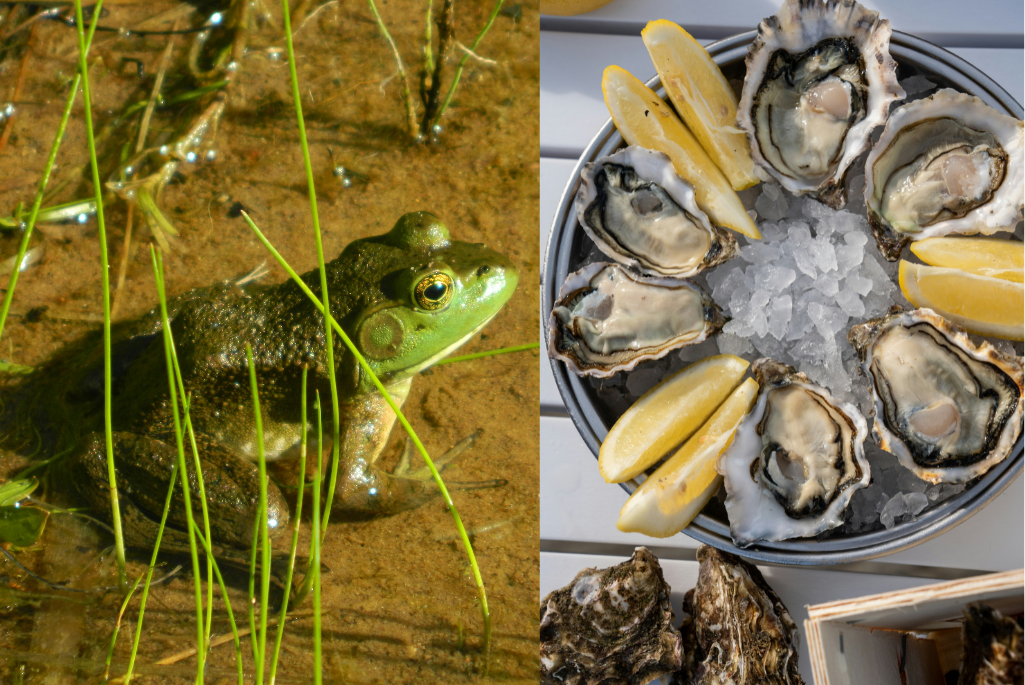
In 2019, Minor and collaborators identified a mechanism in a family of proteins known as saxiphilins that could inhibit saxitoxin. With this more recent research, Minor and the team of researchers injected a saxiphilin from the American bullfrog (Rana catesbeiana), into saxitoxin-injected mice in a lab environment. They found that the protein protects the mice by acting like a sponge that can soak up the toxin.
“The saxiphilin is able to scoop up the toxin, keeping it from getting to the ion channels, and then transport it out so it can either be destroyed or excreted,” said Minor.
Further research to understand how these results translate to human cases of PSP are needed. Minor is also hoping to develop a simple, inexpensive test that seafood and shellfish harvesters could use to quickly assess saxitoxin levels in their catch.


